

13 Clever Tips & Hacks To Follow For A Successful Flea Market Haul
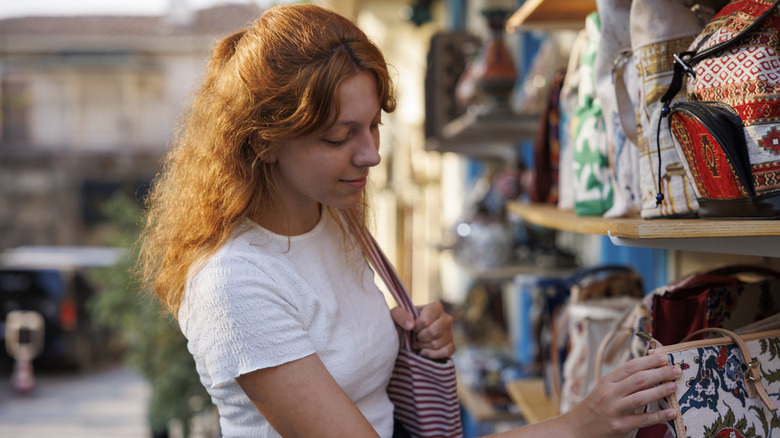
We may receive a commission on purchases made from links.
Knowing how to decorate your home with flea market finds is essential; however, you need to know how to source the items first. Walking into the chaos of a flea market for the first time can be overwhelming, but not if you have these clever tips and hacks to follow for a successful flea market haul under your belt. While the exact origin of the term "flea market" isn't known for certain, one thing is certain: There shouldn't be any fleas there! These bazaars are an eccentric collection of goods, brimming with interesting secondhand finds.
But they can be crowded and chaotic, without set prices in certain situations, and selling everything under the sun. If you walk in there without a plan, it's possible you might not find anything good — or find something perfect for your home, but not have a good way to get it back with you. Here is everything you need to know — whether you're a first-time shopper or longtime veteran of the scene — for a successful haul.
Create a mood board with vintage items you like

If you want to have a successful flea market haul, a great way to prepare is to create a mood board of things you find interesting and would like to find. Whether you make a physical one with pictures from old magazines and advertisements (so retro!), or a more modern Pinterest board or dozens of saved TikToks, it helps to know what's out there, and how it can be styled. Searching for things like "styling vintage items" and "flea market hauls" on social media can be especially useful, as you can gain inspiration from what others are doing.
For example, sometimes you can't see the real potential of an item until you've seen it styled elsewhere. Perhaps you'd never care for a silver serving platter because you don't host much, or think it looks a bit old-fashioned among the dishware you already own for having people over. But then you see it used as a perfume tray on the bedroom vanity by someone on social media — and suddenly, you've never needed one more. There are so many creative ways to repurpose old or unwanted items; you just need to do a little curation before your next flea market shopping trip so you have a better idea of what to look out for when you're there.
Learn the potential of salvage pieces before you go
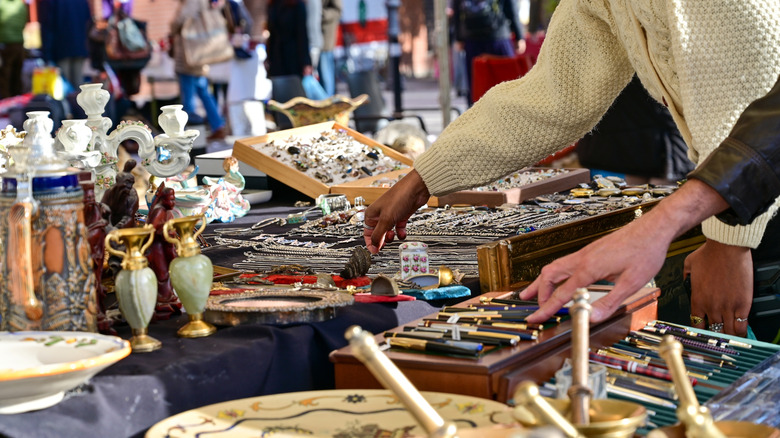
Even if you're looking for something specific like a silver serving platter, it's also helpful to know the value of smaller bits and bobs, too. This is because sometimes, a flea market won't have a lot of interesting decor or large statement pieces. However, it'll have plenty of little items that have just as much potential. "I love looking for salvaged hardware — doorknobs, hinges, switch covers — at flea markets. They are often antique or at least vintage, and made of bronze or brass," antiques curator Annie Bluhm told Southern Living. In addition to hardware, there are also "all sorts of salvaged home-build materials [that] are plentiful at flea markets," she continued. "I often see beautiful doors, trim pieces, and windows."
Overlooking these items because you aren't sure how they fit into your home means you could really miss out. Instead of buying new, using salvaged hardware and building materials can add real vintage charm to your property. You just need to make sure they're in good shape. For anything painted, bring an AssuTest Lead Test Kit along with you to check for dangerous lead. For wooden items, press carefully to search for soft spots and visually inspect for mold or rot. Rust needn't put you off, though, as there are plenty of products to remove it, like the Rust-Oleum Rust Dissolver.
Understand what brands are hidden gems to search for
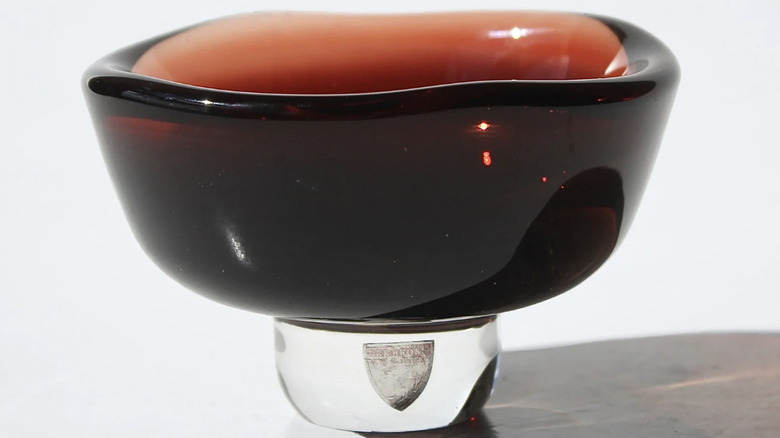
There are a few vintage brands that are always worth buying at thrift stores, so it pays to study up on what they look like before your next flea market haul. This is especially true if you are planning to rehab and flip any of the items you purchase instead of just using them in your own home. Among others, popular brands to keep an eye out for include Ethan Allen, Drexel Heritage, and Lane in furniture, plus Orrefors glassware and McCoy Pottery in decor.
Older pieces from renowned furniture brands are often solid wood and feel sturdy to the touch. You can recognize them by their maker's stamp, which is typically tucked away on the back or bottom. So don't be afraid to get down on your hands and knees to really have a look. However, if you suspect a piece is a particular make, asking the seller is often an easier way, as they'll know what they have in stock. For pottery and glassware, both Orrefors and McCoy tend to be a little quirky and unconventional, with a stamp or etching on the bottom, too. And if you spot a makers mark that's unfamiliar, take a snap with Google Lens to discover if it's a coveted vintage brand.
Brush up on your negotiation skills for the best deals
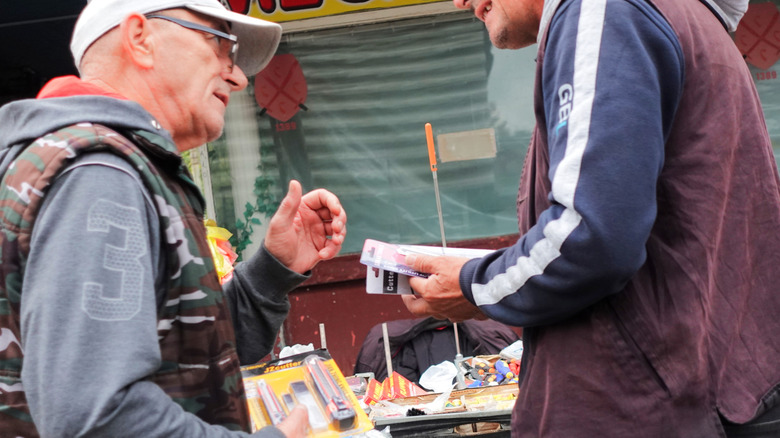
As the vendors in each stall can set their own prices, they aren't always hard and fast. There is typically a little bit of wiggle room, and practicing your negotiation skills is a great way to have a successful flea market haul. Now, this typically doesn't mean raised voices or intense haggling. It's important to always be polite and consider these conversations the start of a great relationship with a vendor, especially if you're at a local market and plan to be there a lot. To keep things friendly, a good way to start is with a simple ask for group pricing. If you're buying hinges from a particular seller, will they give you a better deal if you plan to buy four of them, instead of just one?
You can also often finagle a discount if an item has major imperfections, like gashes in the wood or cracks in the glass. These tactics might also work better at the end of the day, as it's possible the vendors will be more prone to getting rid of something that's sat out for ages rather than packing it back up to try again another day. Bargaining doesn't come easily for most, so, if you feel shy, start small and remember that you're not "forcing" the seller into anything — they're free to accept or reject your offer.
Look up if the price is competitive before purchasing
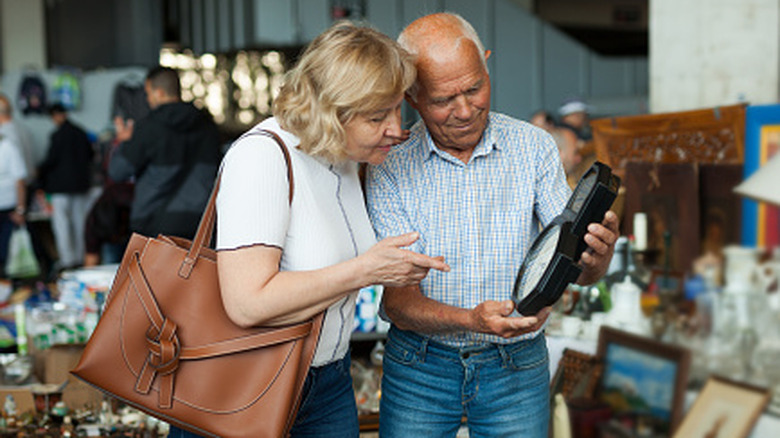
On occasion, you might discover that the prices in front of you at the flea market seem a little bit inflated. As sellers can set whatever prices they choose, that might be the case. If you aren't comfortable with a price, take a moment to do some research before approaching the seller with your final offer. This involves finding "comps" or comparable items in size, style, brand, condition, etc., and what they are priced for online.
You can step away mid-negotiation to take a look, or even do some sleuthing on the item as soon as you first spot it. Check places like Facebook Marketplace, eBay, Craigslist, or even Vinted for similar items. Take screenshots of what you find, so it's easier to refer back to. Or, if needed, you can show the seller the screenshots, too, to prove you aren't just pulling the numbers from nowhere. Having this information in the back of your mind can help you set an opening number or know if the vendor is worth shopping with at all.
Clear out your car, especially if you're shopping for furniture
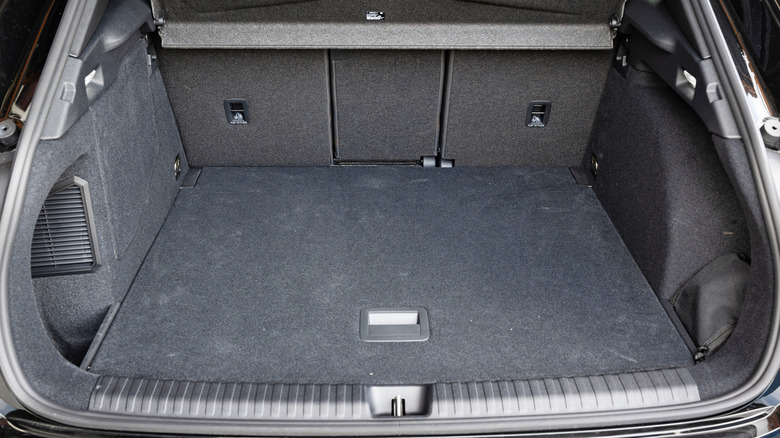
Make getting your haul home with you as easy as possible, so you can shop until you drop. Start by clearing out your car so you don't have to move anything around to load things up. Drop off any donations you've had rolling around in the trunk for ages and put the back seats down. It helps to measure the available space, too — especially if you're buying furniture so you will know if it can fit, or if you'll need to make other arrangements, like hiring a rental car.
You should also consider how you will get the items from the market to your car. Are you shopping small, and a few canvas tote bags might work? Or do you plan on buying furniture, so you might need a rolling cart, dolly, or even straps to get your purchases to your car safely? Depending on when during your trip you purchase an item, vendors might also be willing to mark it sold for you and let you pick it up later. This way, you aren't wheeling around a dresser while you continue to shop.
Bring tools to make shopping easier
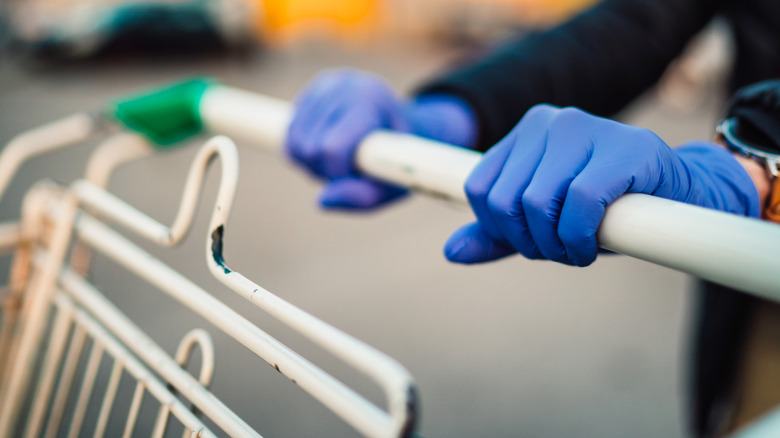
Bringing a bag full of helpful supplies will make your next flea market haul successful. Sure, you've thought about how you are going to get what you've purchased home — but how about making sure it's something you actually want to buy in the first place? Or that you have a good time shopping for it? To this end, we recommend bringing a magnifying glass, a measuring tape, and disposable gloves as your starter pack.
The magnifying glass is used to check for a maker's mark or serial number on the back of vintage pieces. The vendor might have one for you to use if they primarily sell valuable antiques, but you don't want to take the risk. The measuring tape will be a lifesaver when you're trying to figure out if the vanity you're eyeing will actually fit through your back door or not. Finally, gloves (like the Inspire Black Nitrile Disposable Gloves; avoid your nice gardening gloves if possible) are great for digging through bins for smaller items if you don't want to get your hands dirty. In some cases, having a flashlight is also helpful for checking inside drawers. You can always use the one on your phone, but you might not want to run down the battery, especially during a long day of shopping.
Be there at the beginning for the best inventory options
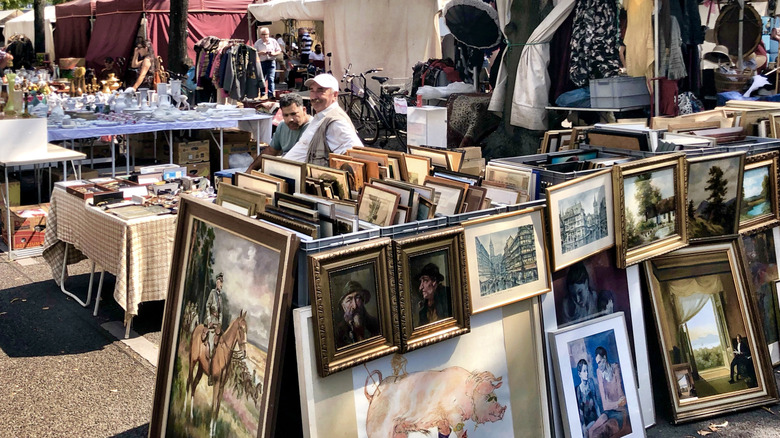
One of the best parts of flea market shopping is the sheer number of one-of-a-kind finds available at any given time. Unlike in retail stores, there isn't any stock in the back, so once a piece is gone, it's gone for good. That's why it pays to arrive at the flea markets early. Getting there right when the market opens gives you the first pick of the day's inventory, before other shoppers have had a chance to comb through booths and snap up the most desirable pieces. Unintentionally arriving late is one of the top mistakes to avoid when shopping decor at flea markets. Some sellers even post sneak peaks of items on social media channels before market day, so there's a chance that highly-prized steals already have interested buyers.
These early shopping hours are especially important if you're on the hunt for anything particularly rare. Vendors often bring their best pieces out at the start of the day, and experienced shoppers know to grab them quickly. That said, there's a bit of a trade-off associated with being one of the first to arrive: While early birds get the best selection, prices are typically firmer in the morning. Compared to later in the day, there's more chance of someone coming along who's willing to pay what the vendor wanted to charge originally.
Alternatively, come back towards the end of the day to snag the best deals
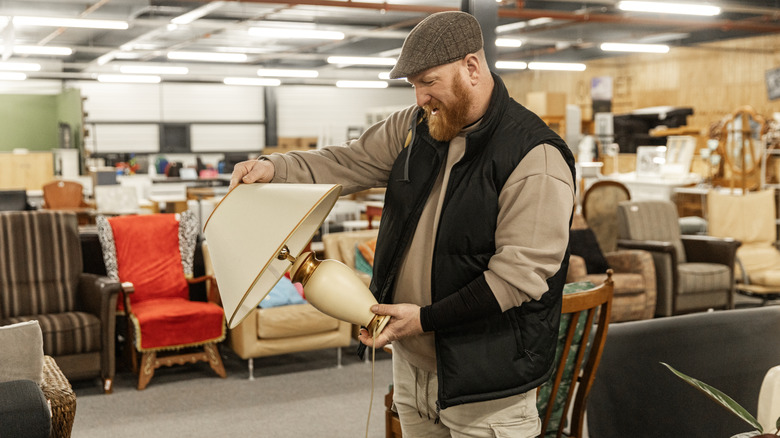
If you're more interested in scoring a deal than finding something really specific, then circling back later in the day can sometimes work in your favor. As closing time approaches, it's possible that many vendors would rather sell items at a discount than have to pack everything back up and haul it all home again. This is especially true for bulky furniture pieces that take lots of effort to transport.
If you live nearby, consider stopping by in the morning to scope out what's available, then heading back later in the afternoon to negotiate. Even taking a long lunch break and returning closer to closing time can give you a second chance at items that didn't sell earlier in the day. Of course, the strategy comes with risk: If something you really liked is gone, it's gone. It's also possible that the vendors will hold firm in their prices, even after you've spent all that time dawdling.
Shop at different times of year for different deals

In addition to shopping at different times of day, there is also an advantage to shopping at different times of year for the best deals on seasonal items. "Fall is a standout, when antique fairs, flea markets, and specialty shows ramp up," flea market owner Elizabeth Demos told Southern Living about shopping in the southern U.S. "Like traditional snowbirds, antique dealers chase the weather (and escape the snow). They load up their vehicles and migrate south with antique and vintage finds gathered over the summer. It's a chance for them to get fresh eyes on items that may not have been scooped up at big shows like Brimfield Antiques Week, Springfield, Shipshewana, and the like." The opposite of this is also true, as markets in the north might have less unique selections during these months.
That said, there are also larger seasonal trends to follow. Vendors play up their holiday and activity-based inventories depending on the time of year. For example, you can expect to find more gardening items available at flea markets in the spring and Christmas decorations as winter approaches, etc. Planning your shopping trips around these trends will help you find the best deals on seasonal items.
Flea markets aren't just about resale items, you can also find handmade goods
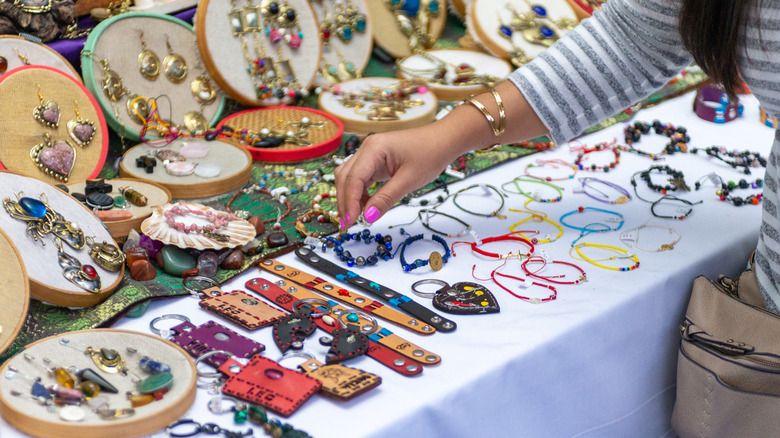
Many people head to flea markets in search of vintage or secondhand finds, but these things are only part of the appeal. Plenty of markets also feature booths run by local artists and makers, offering everything from handmade pottery and original paintings to custom furniture and textiles, too. These pieces bring a level of craftsmanship and individuality that's hard to find in big-box stores, features that are likely the reason you're at a flea market in the first place. You can discover one-of-a-kind items or small-batch goods that feel far more personal than any mass-produced decor.
Even if you arrive at the market armed with these tips and a plan to focus on antiques or other vintage items, it's also always worth taking the time to browse these maker booths, too. Besides, mixing handmade pieces with vintage finds can give your home a more collected, thoughtfully curated feel. Imperfection in design is more in than ever, so this look can really keep you on trend.
Never buy a piece of furniture that you haven't sat in
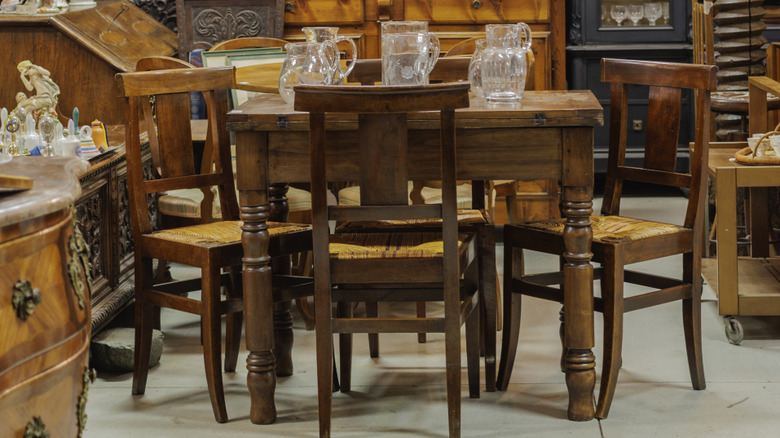
If you like the look of a piece of furniture at a flea market, experts recommend taking a seat before purchasing. "Always sit in vintage seating before you buy," designer Phoebe Howard wrote in her book "The Waterfront House" (per Southern Living). "A lot of antique sofas, chairs, stools, and chaises are smaller and lower slung than you're used to. Replacing the seat cushions with new ones — perhaps with thicker, stronger, and more supportive foam or another filling — can raise the height and ensure your comfort."
Taking a seat before shelling out can make sure you don't throw out your back trying to stand up, or simply feel too low to the ground and know you'll have a lot of flipping work ahead of you to make the item work in your home. If the seller won't let you sit down if you won't buy it, this might be an indication of the overall sturdiness of the piece, anway — which is a real pain point to consider and the antethesis of spotting valuable, high-end items at thrift stores. If it's too fragile to test, do you really want it? What would its function be in your home?
Stay away from upholstery as you never know what might be hiding
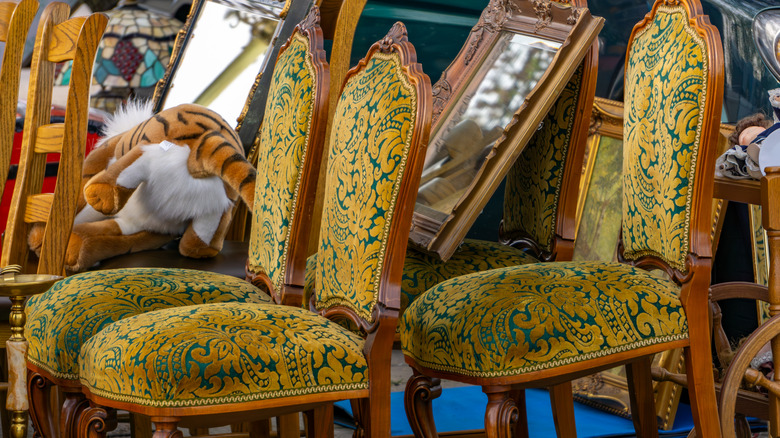
Even if you find the chaise lounge or dining room chair set of your dreams, experts warn that anything upholstered deserves a touch more thought, just in case. "Be very cautious of upholstered furniture," interior designer Katie Mundo told Food52 about flea market finds. "There could be things living in the fabric or stains that aren't easily observable in regular lighting." Although shopping at a flea market doesn't mean that there are fleas, you can never be too sure about the origins of a piece and just how clean it is.
One of the biggest mistakes everyone makes when dealing with bed bugs is bringing them home in the first place. They can survive over a year without eating, so you never know where they might be lurking! However, if you're totally in love with a piece, it's worth asking the seller a few more questions about the item's history. "If you have thoroughly inspected it and are very confident it comes from a clean home, go for it!" Mundo continued. That said, it's always a good idea to give upholstered furniture a good clean and subject it to a certain quarantine period before officially bringing it into your space.