

Make A Homemade Slow-Release Fertilizer To Boost Soil Using A Common Kitchen Scrap
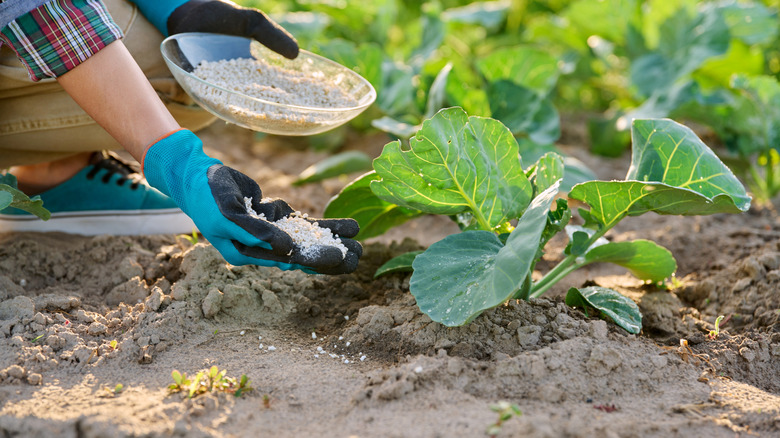
When it comes to adding nutrients to your garden and boosting the health of your soil, homemade and organic solutions are usually cheaper and more environmentally friendly than if you were to purchase manufactured fertilizers. If you've been gardening for a while, you're probably aware that there are numerous food scraps that can be used to fertilize your garden, both directly and indirectly through making your own compost. You can even make fertilizer teas using common leftover ingredients from your kitchen to feed your potted plants. But did you know that you can make a homemade slow-release fertilizer that will boost your soil health using walnut shells?
That's right! Those shells that are normally discarded once they're cracked open to reveal the scrumptious nuts inside contain nutrients that will be released into the soil over time. Not only that, but their makeup can also help improve the soil structure and increase drainage and aeration. That's why they are used in the horticultural industry as an add-in in potting mixes. The nutrients contained in walnut shells include potassium, calcium, phosphorus, iron, zinc, sodium, and nitrogen. However, it's not just a case of throwing some walnut shells around your garden if you want your plants and soil to benefit the most. Turning them into an effective slow-release fertilizer requires an extra step.
How to make your own slow-release fertilizer using walnut shells
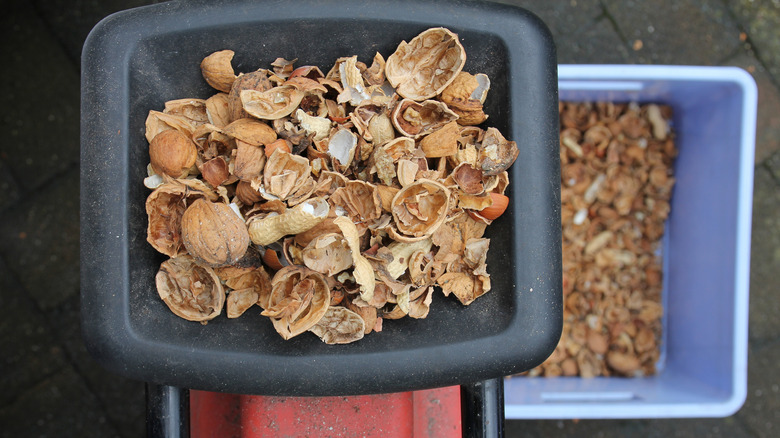
When used in the garden, walnut shells can take quite a long time to break down. In fact, large pieces of shells can take up to 5 years to decompose. Therefore, if you want the shells to act as a slow-release fertilizer, it's best to crush them first because crushed shells will break down over a 12-month period and release their nutrients as they do. Make sure your shells are dry before crushing them into small pieces that you can easily mix into the top layer of the soil. You could do this by hand using a hammer, or maybe a coarse coffee or nut grinder.
While walnut shells make a good fertilizer for your garden, you might have concerns about the juglone that is found in black walnut trees, which makes these one of the plants that you should avoid growing next to anything else. Luckily, this compound, which can restrict the growth of certain plants, is only found in very low concentrations in the shells of the walnuts, while the highest concentrations are found in the roots and the husks. But to be on the safe side, you might want to avoid using your homemade walnut shell fertilizer around juglone-sensitive plants, like peppers, tomatoes, eggplants, potatoes, and squash. Finally, walnut shells are carbon-rich, so as they decompose, they will use up a portion of the available nitrogen. For this reason, you want to keep an eye on your garden and supplement any nitrogen deficiency if needed. This high carbon content is also what makes walnut shells such a good addition to your compost, so don't forget to throw some into that as well.