

Don't Toss Old Fabrics — Use Them To Make Stunning Concrete Garden Sculptures
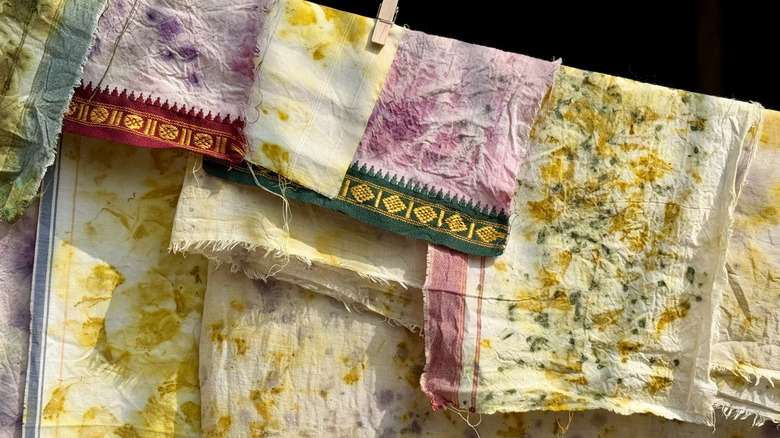
Concrete is a remarkably versatile and durable material. It can be used for everything from creating sweeping driveways to DIYing cute ladybug decor for your yard. One component, cement, can also be used to make stunning garden sculptures from old fabrics. The finished art pieces can either be left in their natural state or painted. The only things you need (apart from your natural creativity) are a bag of Portland cement, water, a suitable bucket, some strong rubber gloves, and a mask. Adding an acrylic fortifier, which can help the cement bond to the fabric, is an option.
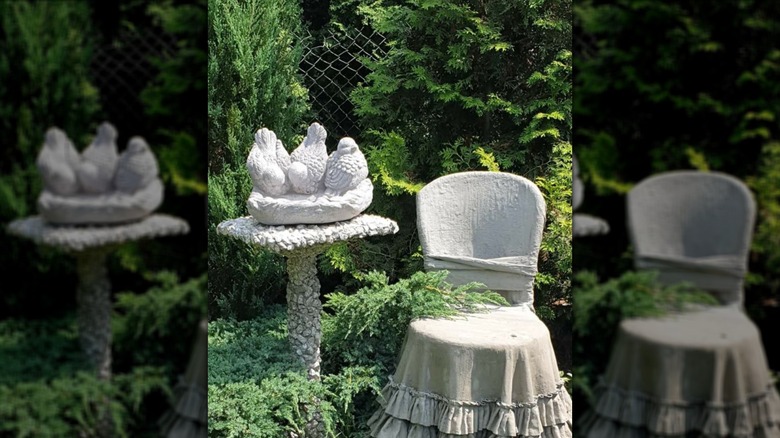
Referred to as concrete draping, this trend uses old towels or similar fabric to make interesting garden decor. The fabric is dipped in liquid cement, then left to dry. Instead of creating sculptures, you can also make DIY planters by placing the wet concrete-covered cloth over an upside-down bucket to create a planter shape. Once hardened, the homemade planter can be filled with soil and plants.
Although the term "concrete sculptures" is often used, these items are actually made using cement. There can be dangers involved in confusing concrete with cement, and for construction projects, where great strength is necessary, concrete is used. Concrete includes pieces of rock or gravel, which would be too lumpy for fabric sculptures. Therefore, Portland cement is best.
The process of making concrete garden sculptures with old fabric
The best fabrics to work with are things like burlap, cotton, and linen. Natural fibers with a texture are more likely to be reflected in the finished piece. Although polyester can work, lightweight synthetics may not have the strength to hold the wet cement.
Before you start, think about what you're going to drape the fabric over during the drying process. Plastic buckets are a common choice when making plant pots, but you can also drape old cloths over chairs, or make your own support from chicken wire. Doubling over the cement-covered fabric can ensure enough strength to hold the wet cloth without it bending. Furthermore, using wood as a drying rack is not a good idea because it can soak up moisture and swell, which might crack the concrete.
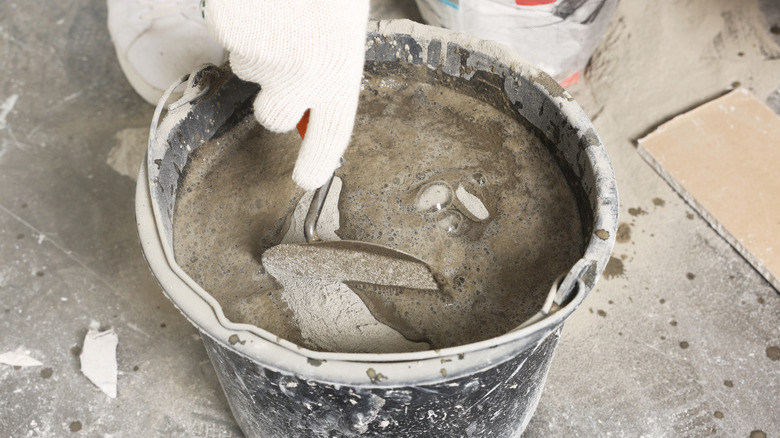
It's important to put on gloves and a mask. Cement dust can cause serious respiratory problems if inhaled. You may want to use plastic sheeting to protect the ground. Take a bucket and mix enough cement and water so that you can fully submerge the fabric you are using. A consistency similar to pancake batter is a good starting point, though you'll need to experiment to get a balance that will stick to the material, but isn't too thick to work with. Dunk the fabric, soak it through, then wring it out.
Forming the fabric and concrete sculpture and drying it properly
The cement-soaked fabric is now ready to be draped or formed. Although exact timings are difficult to judge, you'll probably have somewhere around 30 minutes to work with the piece to shape it how you would like. It will begin to dry almost immediately, so having a good idea of what you want to achieve before you start will help you work quickly.
The finished fabric and cement sculpture will need at least 24 hours to harden, depending on the thickness, but leaving it for several days is a good idea. Keep it out of direct sunlight, which can harden it too fast, resulting in cracks. If you're working in a very dry atmosphere, spray it with water from time to time to slow the drying process. Once fully cured, you can leave it raw to emphasize how it was made or paint it.
Making concrete garden sculptures from old fabric is one of the savvy ways to incorporate art in your yard. It allows you to unleash your creativity and is so much more satisfying than simply buying pieces at the store.