

16 Important Steps To Take Before Starting A Garden
We may receive a commission on purchases made from links.
Starting a garden is exciting, but if you don't have a plan in place before you jump in, you're setting yourself up for a lot more work! There are a few important steps to take and things to consider before you should stop by the local nursery ... even though that's the most exciting part. After you read up on all the clever tips and tricks you need for a successful garden center visit, it's time to plan out what you'll do with the things you bring home.
If you're a beginner, this might mean learning more about your USDA growing zone and the basics of keeping the plants suited to your area both alive and thriving. If you're a seasoned pro, you might consider diving into the depths of landscape design to create the immersive backyard of your dreams. But no matter your reasoning or experience level, the more knowledge you've taken on and choices you've made before you start your garden, the easier (and more fun!) creating it will be.
Consider your reasons for starting a garden
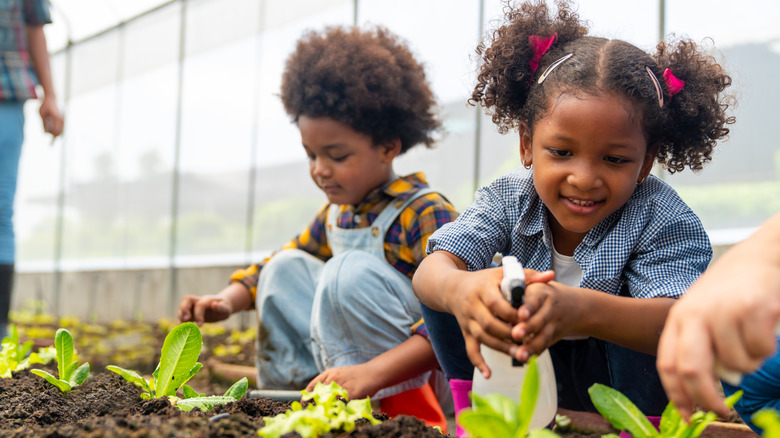
One of the most important steps to take when starting a garden is to consider the "why" behind your desire to start one in the first place. Ask yourself a few different questions about your goals for the space before you begin to help guide all later decision-making. For example, are you planning to create a vegetable garden that you can regularly draw from to feed your family? And get your kids involved, too? Do you just want a nice place to sit and enjoy, filled with bright flowers and towering green plants? Or, are you an avid birder hoping to increase your overall life list?
These motivations can greatly change whether you spend most of your time learning how to keep birds away from your tomato plants, or the opposite — instead choosing to learn plenty of tips for attracting a more diverse variety of birds to your yard. Narrowing down your interests can help keep the rest of your research more focused.
Research which plants grow best in your climate zone
It's important to know what a USDA growing zone is and which one you are in before you start your garden. The USDA Plant Hardiness Zone Map divides the country into bands, indicating how cold it tends to get during the depths of winter in each zone. There are 13 zones, with one being the coldest and 13 the warmest. Each zone represents a ten-degree difference in Fahrenheit.
By locating your band on the map, you'll have a better idea of what plants will thrive in your area, and which ones you are going to have to fight to keep alive — or potentially build a climate-controlled greenhouse to keep them safe from the harsh climate. In addition, understanding your area's typical last frost and first frost dates will also ensure that you are never caught out planting too early and ruining all your work.
Start with easy, low-maintenance plants
It's easy to go overboard when planning a garden. To prevent yourself from killing off plants in your first season, think about how much time you realistically have for upkeep. This goes hand-in-hand with your reasons for starting the garden in the first place. Are you looking for a time-heavy retirement hobby ... or just something that lets you unwind for a bit on a Saturday morning?
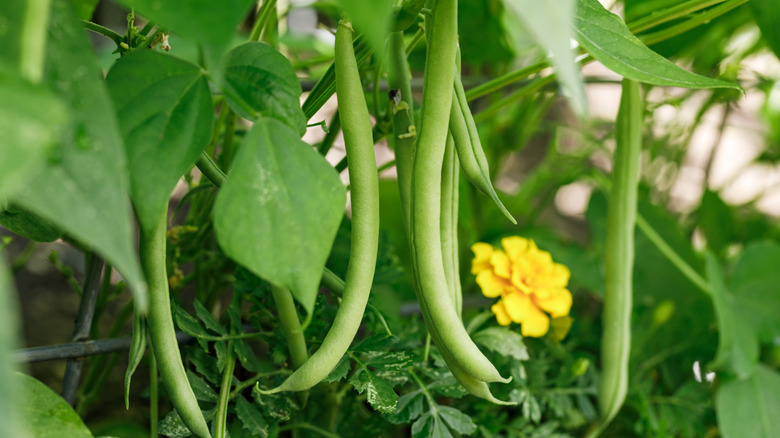
If you are starting a food garden, some of the easiest plants to keep alive are green beans, as they are temperature-tolerant and don't need any fertilizer, as well as eggplant, because they love to grow, but pests don't like to bother them much. For a botanical garden, consider grasses like Mexican feathergrass (Nassella tenuissima) or sedge (Carex) as low-maintenance options. "'You don't have to do anything to them, apart from cut them down once a year. They provide evergreen interest and can sort out a few problems," Garden Designer Lee Burkhill told The Middle-Sized Garden. "They're good for marking out the space, and be used as edging. That helps deal with the problem of plants flopping over."
Research native plants to reduce overall maintenance and water use
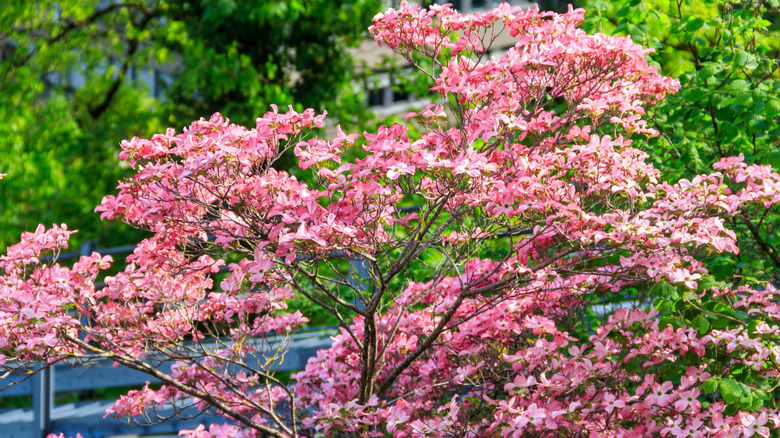
Native plants are those that naturally occur in a region and have existed there before any significant human migration. In the United States, this typically means we have evidence of a plant in an area before the arrival of Europeans. For example, on the Eastern seaboard, these might be New England aster (Symphyotrichum novae-angliae) or flowering dogwood (Cornus florida).
Because these plants are naturally suited for their region, they require significantly less overall maintenance and water use than introduced species might. You won't need to fertilize them, water them, deadhead them — etc. Because they would grow in the area with or without humans taking care of them, native plants are pretty set-and-forget. Plus, they tend to work wonders for wildlife in your yard. Local birds and welcome insects (like bees and butterflies) also appear more frequently when there is an abundance of native plants, turning your garden into a fully functioning ecosystem (which needs a lot less effort from you to thrive!)
Research how to tackle weeds
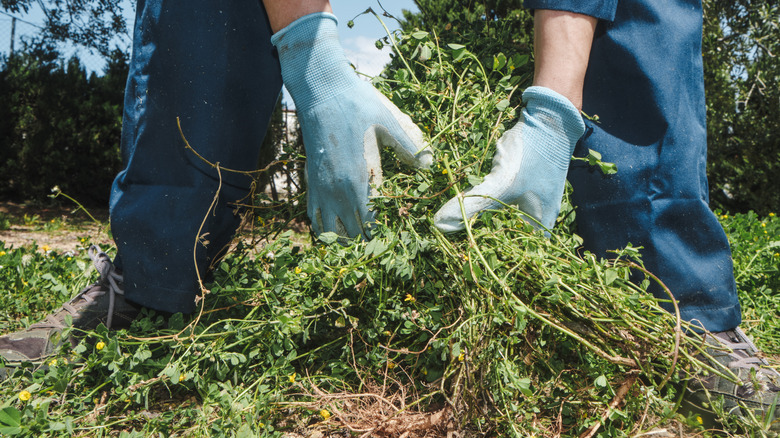
Weeds are a given in any garden, so before you start yours, you should have a plan in place for how you want to get rid of them. There are two main paths to take: organic or herbicide. Both have their pros and cons, depending on what you would like to achieve in your space and what you are comfortable using.
If you plan to stay organic because you don't want herbicides around your vegetables, children, pets, etc., then how will you tackle aggressive weeds if they grow? Becoming familiar with vinegar-based weed killers like Harris 30% Extra Strength Concentrated Vinegar, which tend to kill everything they touch, but don't leave behind chemicals, is a good place to start. If you don't mind herbicides, safety is still a concern with them, as the popular weed killer you should think twice about using is Roundup, as it has been linked to cancer. Alternatives include iron or herbicidal soap-based options, like Spruce Weed Killer Spray.
Decide whether you want to grow from seeds, starts, or a mix
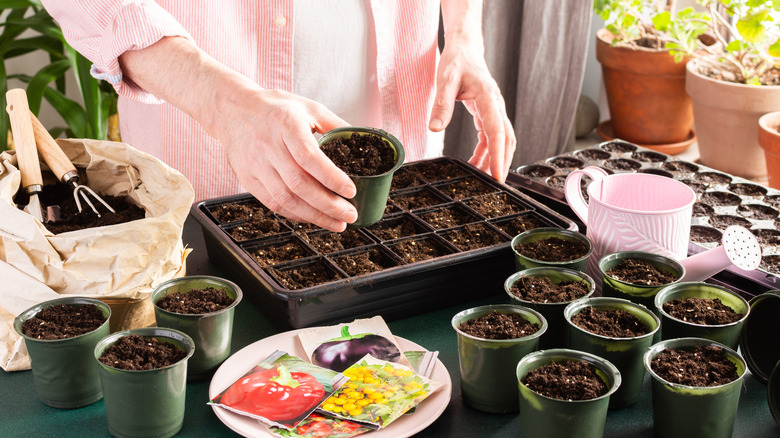
Once you know what kind of plants you would like to have in your garden, you have to plan how you would like to start growing them. This can be from seeds and bulbs, starts (small plants that have already matured a little), or a mix of both. There are pros and cons of each, depending on how much you plan to spend, what kind of plants you want to include, and how much time you have to dedicate to your garden.
Seeds tend to be less expensive overall, and you might have an easier time finding a greater variety of seeds. You can even order them online! However, getting seeds to grow properly can also be quite time and labor-intensive. They can be finicky depending on how deep they are planted, the temperature of the soil, etc. While starts can offer less variety, depending on what's available at your local nurseries, they do let you skip the tricky germination phase — which might lead to greater success of reaching total maturity.
Decide on the best medium for your garden
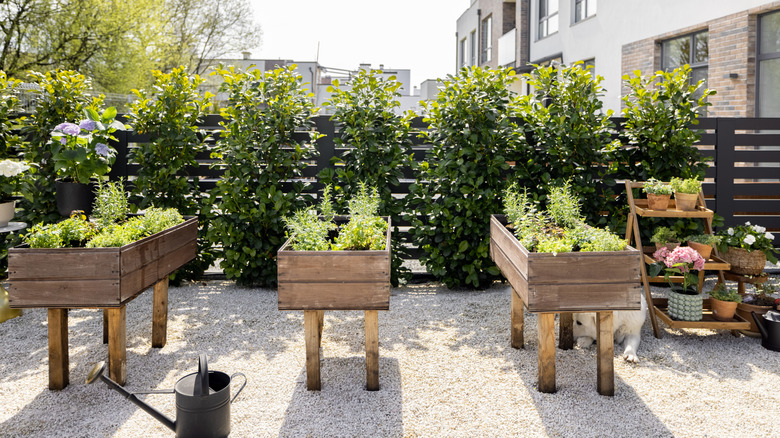
Think about the kind of garden you are interested in creating, as well as the space that you have available to bring your vision to life. That is, if you live in an apartment with just a small patio, these 20 vertical garden ideas are the perfect solution to your limited space. You will have better luck creating a container garden, or even a well-curated collection of outdoor potted plants in this sort of situation.
If you have a yard or a larger amount of space to work with, there are more things to consider. Do you plan to have an in-ground garden, and if so, are the flower beds already in place or will you need to create them? And if so, where? That said, even in-ground gardens are well complemented by well-placed raised beds. This adds a vertical dimension to the space to keep things visually interesting, and can also be more accessible if you find that kneeling or bending to care for your plants for an extended period is difficult or painful.
Consider the layout for your garden, including pathways and water features
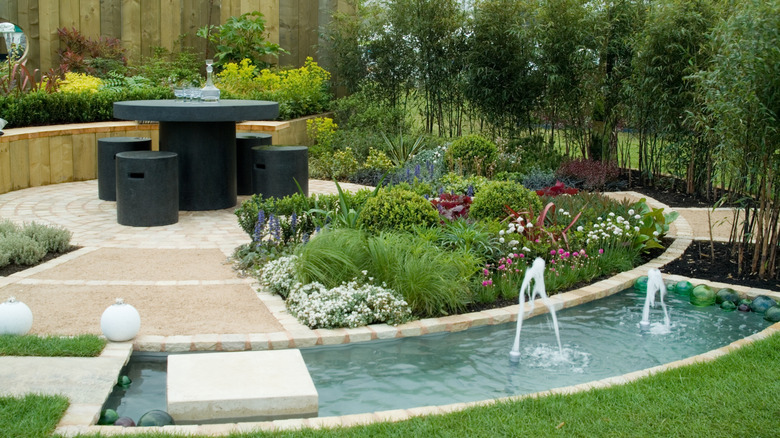
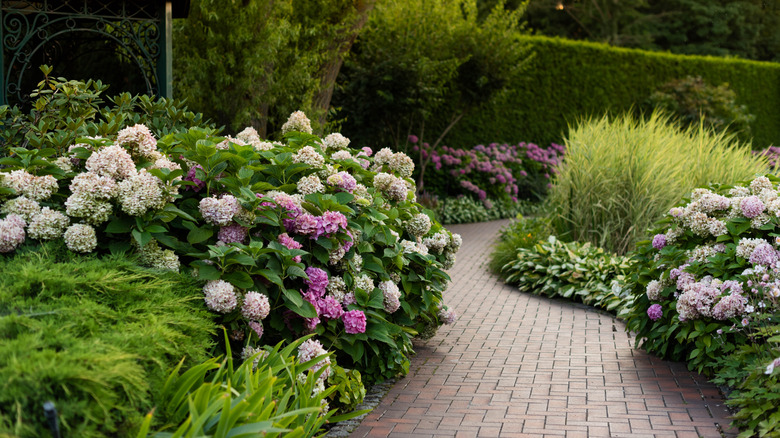
Becoming at least somewhat familiar with the overall principles of landscape design can help you create the garden of your dreams. This means understanding how to use symmetry to give visual balance to the space, as well as determining the best functional and aesthetic placement for things like pathways and water features. You want to lean into a functional storyline for your garden, like grouping plants with similar needs together, but still add enough variety through different textures, such as a wooden bench or gravel path.
You can decide whether you want everything straight and boxy, or meandering and wild. Knowing these things is helpful even if you don't have the resources (both financial and time) to install everything at once. By having a master plan in place for each feature, you can create stages for the expansion of your garden, ensuring it's at its best at each step.
Choose a location that gets the right amount of sunlight for what you want to grow
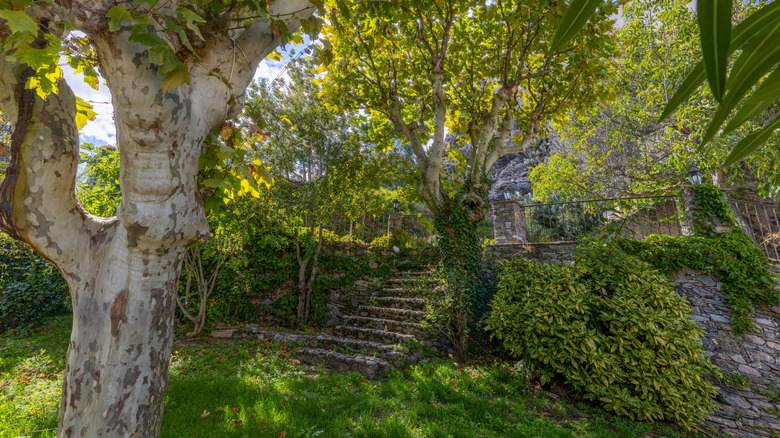
As you create a master plan for your garden and select what to feature, pay special attention to the light your yard gets, as well as how it changes throughout the day and across the different seasons. That is, the amount of light a certain spot gets on a summer afternoon is going to be considerably different from that on a winter morning. Check your desired plants' sunlight needs and make sure they will be able to access the correct amount of sunlight year-round.
You should also consider how established natural features like trees, or man-made ones like nearby buildings and fences, will impact what you plant. Is there a large tree that keeps most of the space in darkness? Then you will need to select shade-tolerant plants, or keep your garden in an area that gets enough sun. On the other hand, if you don't have much shade available in your yard, you might need to learn how to DIY a sun shade for your garden to keep plants cool on those extra hot days, or invest in plants that are overall more heat-tolerant and thrive in direct sunlight.
Plan your planting zones with spacing in mind to avoid overcrowding
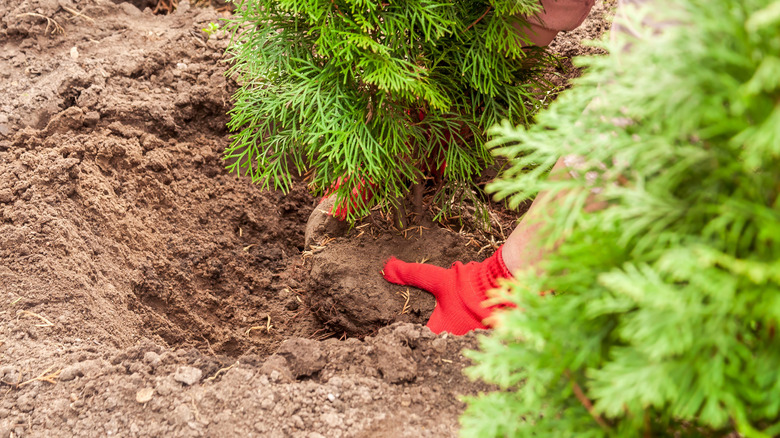
Crowding is a common issue for new gardeners, as certain plants tend to spread more than you might expect. While everything slots in neatly before it's had a chance to mature, as soon as next season, all the plants and flowers you didn't think you crammed in are now totally choking each other out. Keep in mind that when you first plant your garden, it's appropriate that it looks a little too spaced out for the first few years. This way, you avoid the work of digging up and replanting or removing dead plants later on.
Carefully plan where each new bit of greenery will go. Never place something right up against a home or shed, as its roots can hold water there and cause foundational issues. Try to keep smaller flowers and vegetables at least 4 inches away from the edges of the garden bed, too. For shrubs, trees, and other larger plants, the expected height of the plant will directly influence their spacing.
Invest in a few quality gardening tools that will last
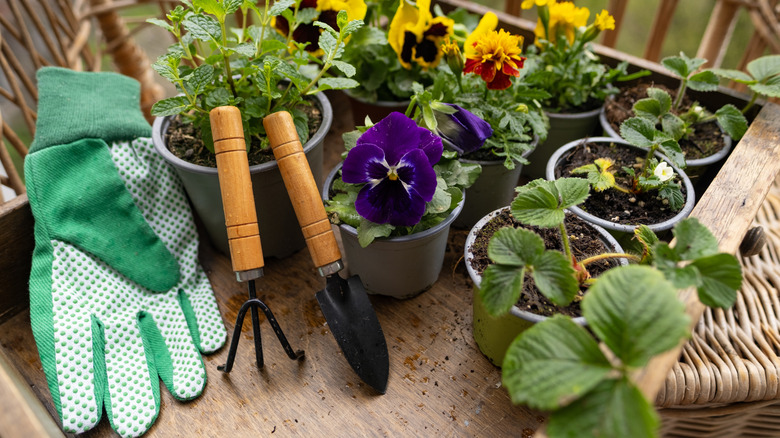
While you don't need to purchase anything too fancy to look after your new garden, having a few high-quality tools on hand will make caring for it easier long term. Having the correct tools will keep you safe because it reduces the chances of an accident in the garden while attempting any creative misuse of a tool. Plus, it keeps your garden healthier because it's easier to meet its needs with the correct instruments.
Starting small, grab a good pair of gardening gloves, like the COOLJOB Gardening Gloves for Women, which have a good grip and a tapered wrist to keep dirt out. The gloves are gendered for size, with the COOLJOB Gardening Gloves for Men being slightly larger. In addition, having a shovel and wheelbarrow for moving mulch, a spade for potting plants, and a garden knife (hori hori) like the Perwin sheath gardening knife for weeding, is a good place to start. Finally, grab a good pair of hand pruners, like the Craft911Japanese Steel Pruning Shears, for pruning things back.
Make a plan for how you will water your garden
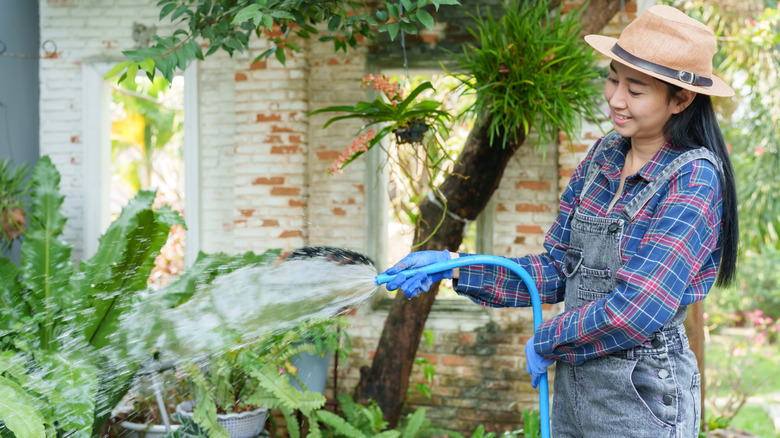
Plan ahead for how you will keep your garden hydrated. Is it small enough you can do it by hand, or is it so large you'll need to install an in-ground sprinkler system to keep up with its needs? It helps to also consider convenience. That is, if you're short on time or travel often, an automated system with a timer can take the pressure off daily upkeep, if that's what your plants need overall.
When deciding, consider how much water the types of plants you have chosen to include will need. This will help you create a watering schedule, as some plants thrive in consistently moist soil, while others prefer to dry out between waterings. To make things easier, grouping pieces with similar needs can make everything a touch more convenient, so you don't drown one plant while scorching another.
Check your drainage to make sure water doesn't pool
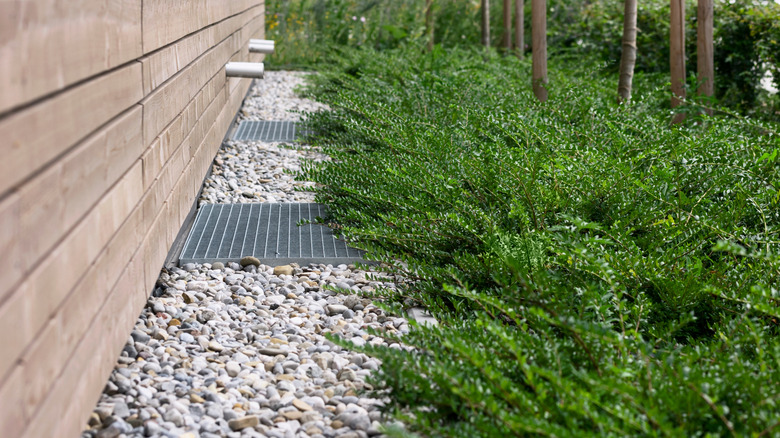
When you have a plan to keep your plants hydrated, the next step is to understand how water moves through the space. Any unexpected low points in your garden can cause water to pool, quickly undoing all your hard work and causing major damage to your plants. Issues like compacted soil with a bad slope and clogged or misdirected gutters tend to be major culprits.
If you notice issues like standing pools of water or beds that take too long to dry out, you can add soil to low areas to improve drainage, or consider simple fixes like extending downspouts or creating a slight slope to direct water away from planting areas. If these fixes still don't work, you will need to escalate to bigger methods, like wide-yard drainage. Just be sure to avoid one common mistake when installing French Drains, which is selecting the wrong filter fabric.
Test your soil to understand its pH and nutrient levels
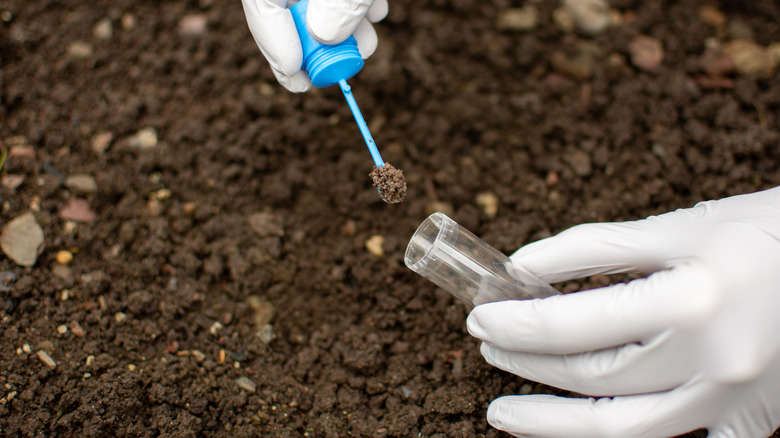
An important step to complete before starting your garden is testing your soil to understand it's pH and nutrient levels. Soil pH affects how easily plants can absorb nutrients, so a more neutral balance is best. In addition, its nutrient levels are just as important, since deficiencies in things like calcium, phosphorus, or potassium can limit plant growth and overall health. By checking your soil before you get too far along in your journey, you can make better choices for your garden's overall health to improve it instead of just trying things randomly to see what might stick.
You can do a home test for both of these things or ask a local company for more in-depth results. To DIY, try the Rapitest Soil Test Kit for Gardens. You can check your dirt's pH, as well as what the balance of nutrients is, for any corrections needed.
Improve the soil for the best chance of success
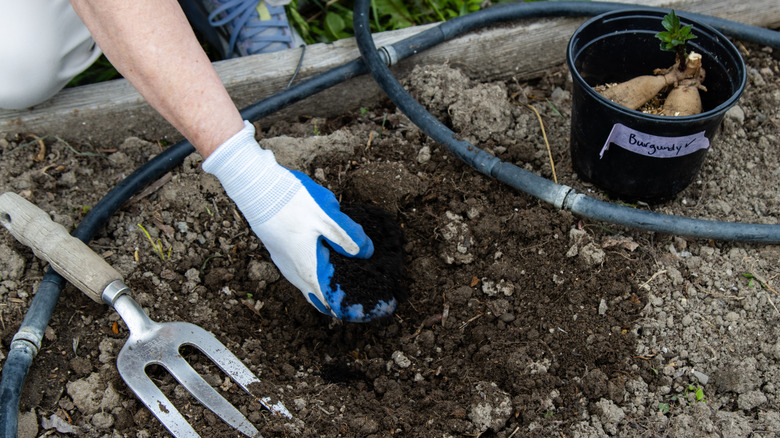
Based on the testing results, take the recommended steps to get your soil in the best shape before you begin planting! For example, if the pH of the dirt is off, you might add lime to raise the number or sulfur to lower it, but do so in increments so you don't accidentally overcorrect. You can also add natural compost and fertilizers to boost soil's nutrient content, adding what's missing to get it more ready for planting.
But the journey doesn't end there. In addition to pH and nutrients, maximizing your garden's success also depends on your understanding of the most important principles of soil health and supporting the natural ecosystem within your soil. That includes learning how to minimize outside disturbances, like tilling only when needed, and reducing overall erosion by using mulch or planting ground cover. This helps create soil that can maintain healthy root systems, which leads to healthy plants.
Understand the common pests your garden might face
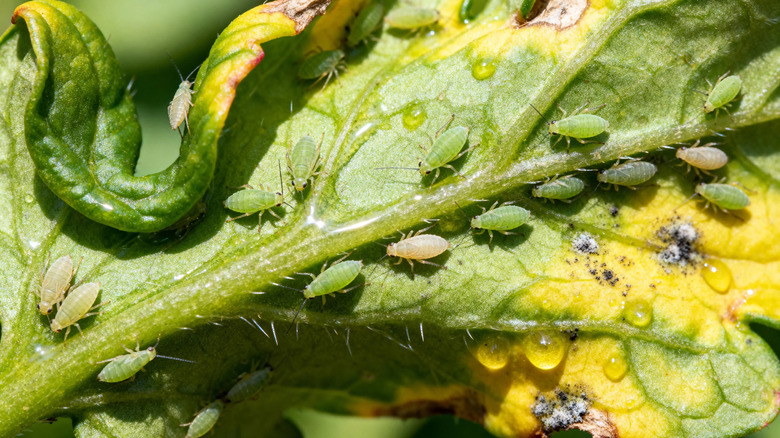
Unwanted pests are going to visit your garden, so plan ahead for how you want to handle them when they arrive. The first thing to learn is who is most likely to show up. More rural areas might contend with hungry deer or rabbits, while city gardeners might feel more concerned about insects than wandering mammals. Things like aphids, spider mites, fruitworms, stink bugs, and flea beetles are all likely to show up. Understanding what these pests look like, as well as the damage they leave behind, is essential.
Must like herbicide use, you must also decide what your plan for eliminating them will be. It might take some trial and error before you find the method that works best for you. Many gardeners are not comfortable using chemicals, especially if they are growing food. For this reason, you might choose to use Bonide Captain Jack's Neem Oil, which makes it harder for insects to reproduce or Garden Safe Crawling Insect Killer with Diatomaceous Earth, which dries out insects, killing them.