

Ditch The Concrete: A Stylish, More Affordable Alternative For Your Driveway
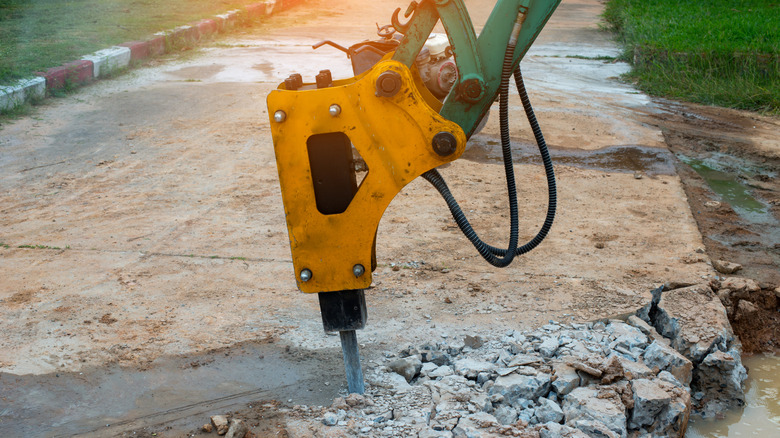
Concrete is one of the most popular materials used to create a driveway, as it has a long lifespan and easily stands up to the weight of vehicles, as long as it's installed properly. However, it is not the most affordable option, averaging $8 to $20 per square foot to pour.
On the other hand, you can find some materials to use on driveways other than concrete that offer plenty of durability and can be affordable. When redoing your driveway, if you'd like to ditch concrete, pavers, and other materials that remind you of hardscapes, a more natural option to consider is timber sleepers. These are large wooden beams that are commonly used as railway ties. They lie perpendicular to railroad tracks, helping to support the rails from underneath as heavy trains travel across them.
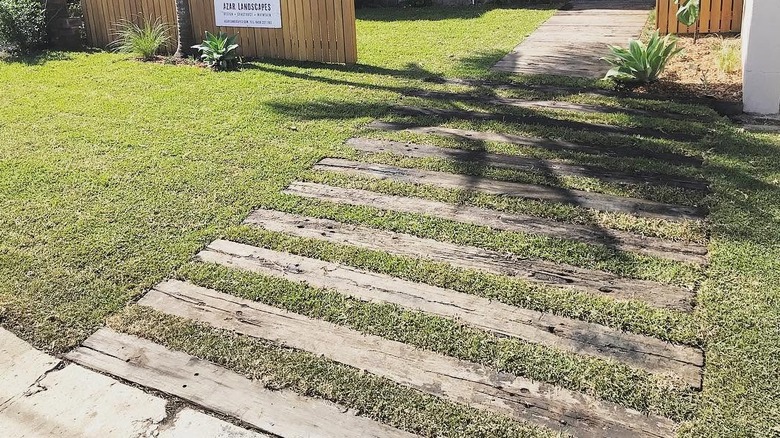
Being able to support significant amounts of weight from a train also makes timber sleepers an option for a driveway. The warmth of using wood in place of concrete on your property also provides a stylistic benefit. Timber sleepers deliver a rugged vibe that's difficult to duplicate with other materials. While it's more common to use timber sleepers as a natural border for a driveway that boosts curb appeal or as a series of steps embedded into sloped ground, they will also work as a unique driveway material that's affordable. If you plan to swap out your concrete for this option, be sure to look into recycling it, as concrete can be crushed and reused.
Options for using timber sleepers to create a driveway
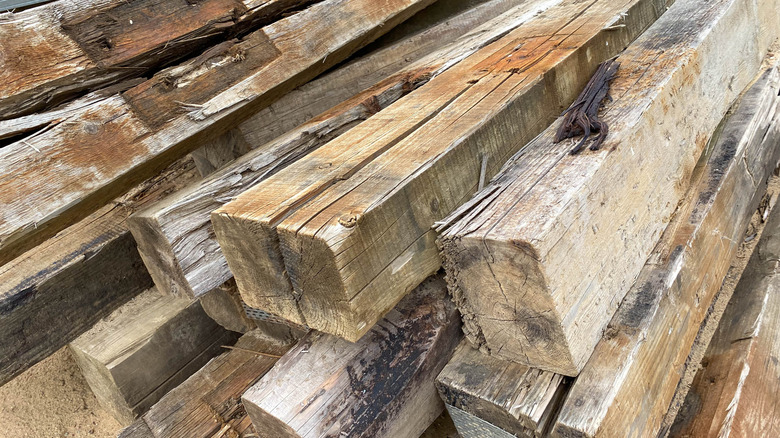
You have multiple options for obtaining timber sleepers. The most affordable option is to use recycled or reclaimed railway ties. When they've already been used for years for a railroad, they have a worn look that's perfect for adding charm to your property. You can buy them from distributors who collect them when they're removed from railroads, giving them a new life. The Railway Tie Association estimates 20 million to 22 million wood ties are replaced each year in the United States and Canada. You'll usually pay about half as much for used materials than new wood.
You could also purchase newly milled timber sleepers. They are often designed to resist rot and insects. Purchasing new wood might be more expensive upfront, but you won't have to replace them as soon as the recycled options, meaning you could save money in the long run. New hardwood timber sleepers are estimated to last for 33 to 42 years, according to the Railway Tie Association. If you purchase recycled timber sleepers that were used in railroad tracks, you can't know for certain how long they were installed before you received them, which means you don't know exactly when you'll need to replace them.
Situations where timber sleepers might not the best option
You have to be careful when using recycled railroad ties to fix a sloped backyard or to create a driveway if they contain creosote. Most timber sleepers used in railways have creosote added to them as a preservative for the wood and to protect them from pests. However, according to the U.S. Environmental Protection Agency (EPA), creosote is a substance that increases health risks for people exposed to it, including being a carcinogen.
Residential users cannot purchase new timber sleepers if they contain creosote. However, homeowners may end up with reclaimed timber sleepers that have creosote in them. You should avoid using creosote railroad ties in areas where they may harm people by leaching into the soil, such as near vegetable gardens or around children's play areas. If you're using them in your driveway, you could use a plastic liner to keep the creosote from coming into direct contact with the soil. If you're working with creosote-soaked timber sleepers, wear protective gloves and clothing. Creosote leaches into the ground over time, meaning that railroad ties that are older may contain less creosote.
Some reclaimed railroad ties have quite a bit of rot, making them unsuitable for supporting the weight of vehicles in your driveway. Watch for visible rot or decay on the ties, as well as significant cracks or splits, before installing them in a driveway. You could use a chainsaw to cut away areas of rot if they're only on one end, but you'll then have to safely dispose of the damaged sections, following your local regulations.