

Everyone Had One In The '60s - The Entertainment Essential That Has Become Obsolete
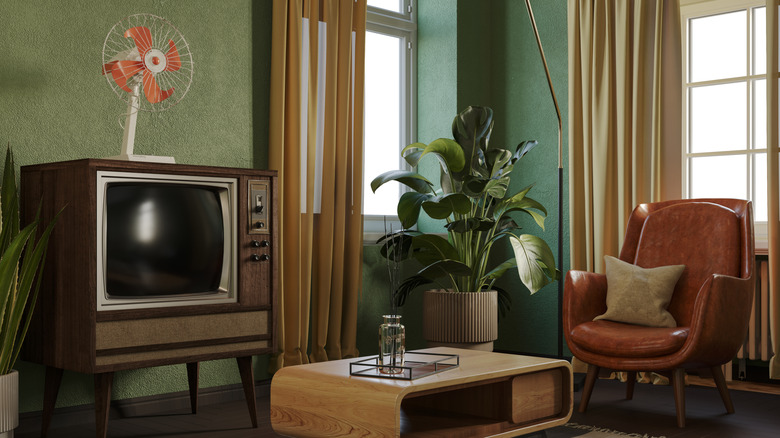
It's funny to think in the 1960s, a living room without a TV antenna wouldn't have looked right. At that time, they were as ubiquitous as the yellows, greens, oranges, and purples that defined the colors of the '60s aesthetic. For anyone too young to know what a TV antenna is, these metal contraptions, sometimes shaped like rabbit ears and sometimes just one long metal rod, were seen sitting on top of TV sets (or sometimes installed outside on the roof). They worked to bring the TV signal to black and white television screens. In fact, having a TV antenna on your roof was seen as a status symbol at the time, as it signaled to your neighbors that you had a TV — an expensive investment in this era. Indoor antennas often had to be adjusted to create a clear picture, which was part of the ritual of watching TV. According to those who experienced it, the process would often look like someone standing by the TV giving directions while another person was twisting the antenna until the picture finally cleared.
Even with these bulky antenna, though, reception was never guaranteed, and something as common as bad weather could ruin the signal for the night. It must have made watching TV feel like something you earned — more of an event rather than the guaranteed background noise it is today. If you have an old TV lying around the house with an antenna still attached, it's likely there for its nostalgic value rather than being your go-to source of entertainment.
When TV stopped being a struggle
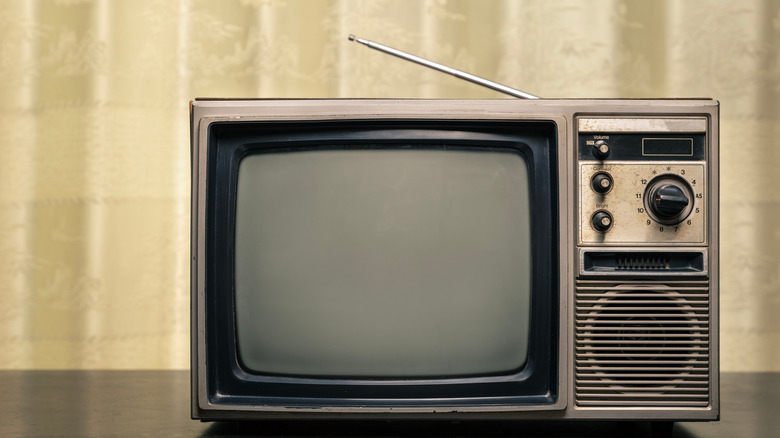
Many of us have witnessed the slow decline of TV antennas throughout our lifetimes, first when cable appeared and then when satellite dishes brought wider reach. And now, streaming through the internet is how most of us watch TV, leaving us with no need for broadcast signals at all. These days, we just need a stable internet connection to access more options than ever before. However, despite their obscurity, these antennas haven't totally disappeared. Some households do use modern versions of them to watch local channels, just with much less teamwork in getting them to work.
Entertainment has changed so much since the 1960s, and we now live in an era where convenience has won over everything else. The fact that we ever had to sit down in front of a black and white TV and have what we were watching be at the mercy of the weather is a foreign concept for anyone born in later decades. And given their clunky appearance, antennas feel more outdated old school than retro cool, in all honestly. However, for some, they are a nostalgic reminder of the past and how TV used to actually take a little bit of effort to enjoy.