

10 Best Vegetables You Should Be Planting In April
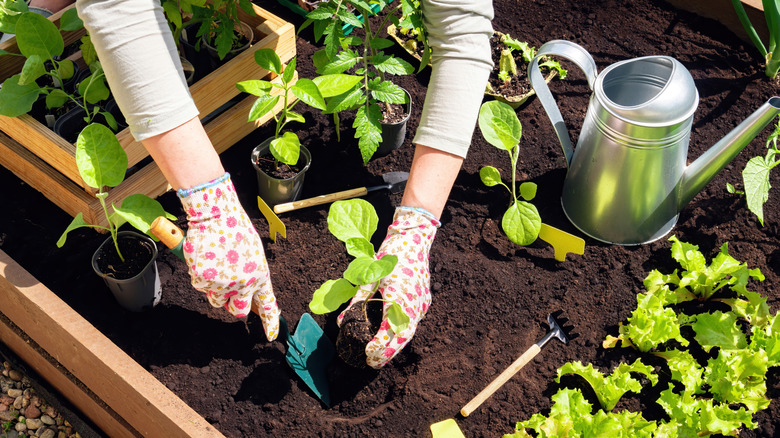
As we welcome the long-awaited arrival of April's warm weather, we can start implementing the vegetable garden plans we've been waiting for all winter. Some gardeners may have even started some warm-weather vegetable seedlings indoors, like tomatoes and peppers, to get a head start. What you can plant or move outdoors in April depends on your climate's last frost date, so make sure to determine your area's USDA Hardiness Zone before adding any plants to your outdoor garden.
If you're in a cold northern state that is still waiting for its last frost date, typically zones 1 through 3, you can at least begin with cool-season veggies, like beets, radishes, and zucchinis in April. This will ensure they can grow before the heat becomes too intense in the summertime, which can negatively affect their production and taste. (Colder climates' heaviest planting season will most likely happen in May.) If you live in a warmer climate, or zones 4 through 10, in April, you have a wide array of options for planting, since your last frost date has most likely passed, including corn, cucumbers, carrots, and zucchini. If you've already started some warm-season veggies indoors, and your frost date has passed, now is also the time to move them outdoors.
Carrots
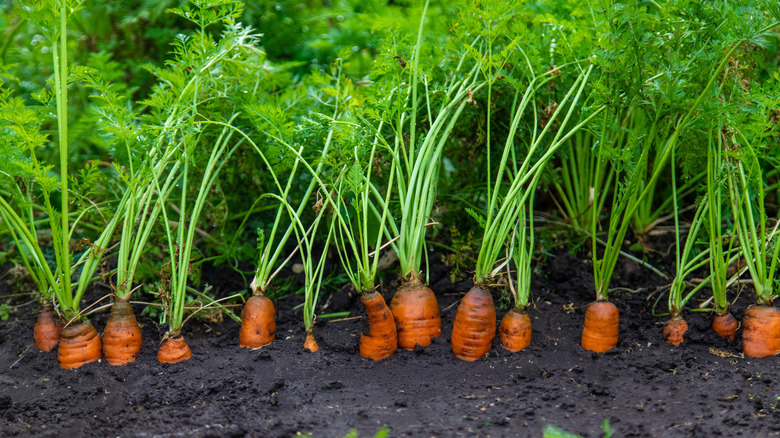
Since carrots thrive in cooler soil, April is an excellent time to plant these veggies if you live in a colder zone and haven't had your last frost yet. If you live in zones 6 and under, you can start planting your carrot seeds this month. Warmer-climate gardeners should have already started their carrots in outdoor soil, but it's not too late for you, either. Make sure your carrot seeds are planted a ¼-inch deep and at least 2 to 3 inches apart in loose, well-draining soil.
Sweet corn
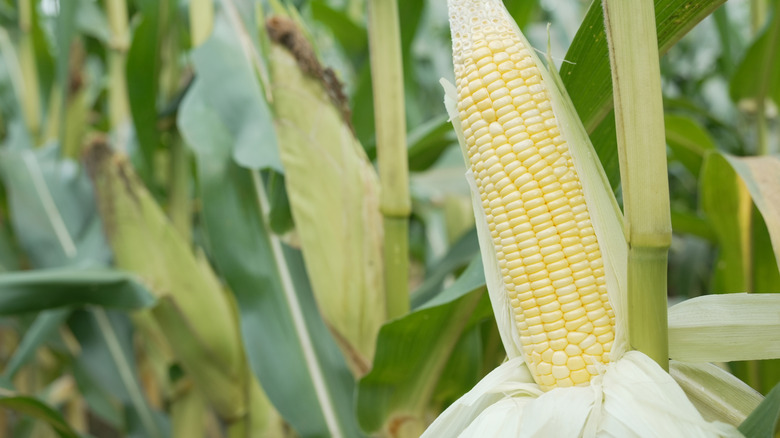
Start prepping for your outdoor summertime meals by planting sweet corn in your vegetable garden. To ensure you have delicious ears of corn ready to go in time, plant your sweet corn seeds in April. Make sure to wait about one to two weeks after your last frost or when the temperature of your soil is above 60 degrees Fahrenheit. In short, if you live in a climate where the danger of frost has passed, you are cleared to begin. This veggie requires well-draining soil, full sunlight, and consistent watering.
Radishes
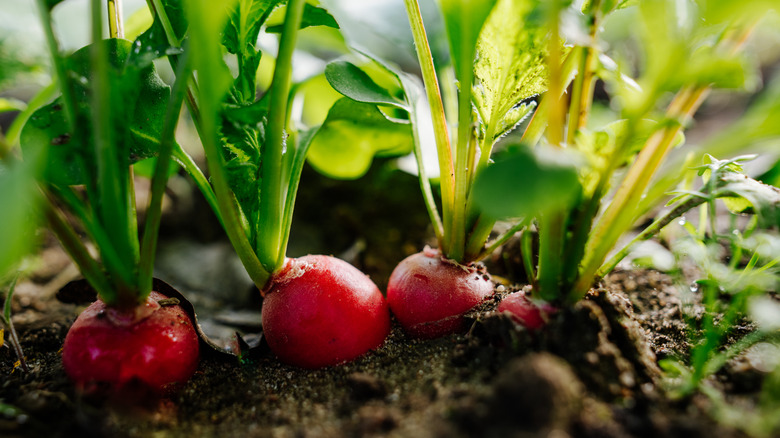
Another cool-season vegetable, radishes are a great April choice. Since they're a quick-growing root vegetable, it's not usually recommended or necessary to start them indoors. For most zones, you can plant them directly into the ground in April. Haven't reached your last frost date yet? No worries. Radishes can withstand the cold soil for 4 to 6 weeks beforehand. Make sure these veggies receive at least 6 hours of sunlight a day. You may want to rethink growing radishes outdoors if you live in a warmer climate where it's already 70 degrees Fahrenheit or higher in April, as they will most likely bolt.
Okra
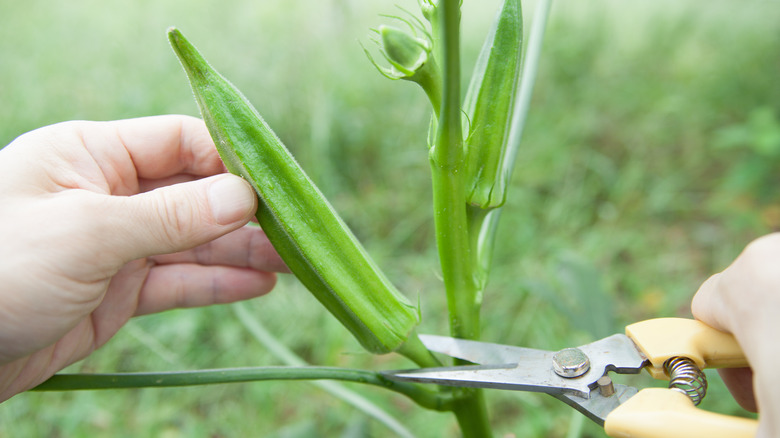
An easy-to-grow, sun-loving warm-weather vegetable, okra is a great direct-to-soil April addition to a veggie garden if you live in zones 6 through 10. This plant thrives in higher temperatures, so you can plant your seeds or transplant your already-begun seedlings outdoors if your soil has reached at least 65 degrees. To grow tasty okra in the garden, plant these seeds ½ to 1 inch deep and 12 to 18 inches apart from each other so they have room to spread. Okra prefers full sun, so make sure this veggie gets the brightest spot in your garden.
Beets
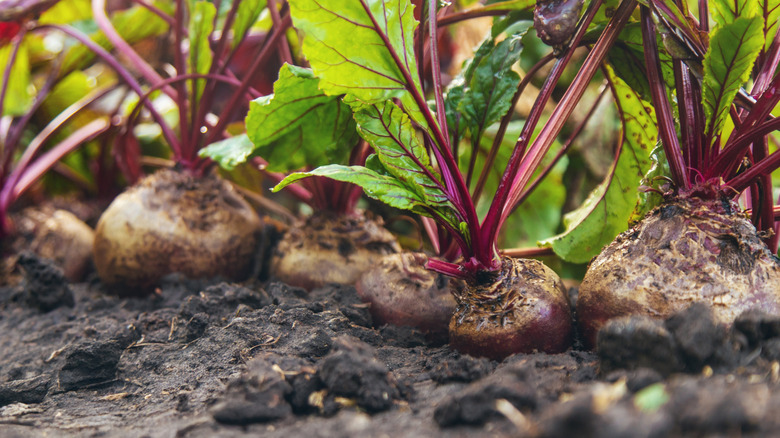
If you live in a colder zone, you can now directly plant these bright red vegetables into your soil, even if it's before your last frost date. Generally, you can plant beets in April if your garden is at the veggies' ideal soil temperature, which is 55 to 75 degrees Fahrenheit. Once your area's temperature reaches 75 degrees or higher, it's time to halt planting your beets. Ensure your seeds are planted at least a ½ inch into the soil and 1 inch apart. They should receive at least 6 hours of sunlight a day.
Turnips
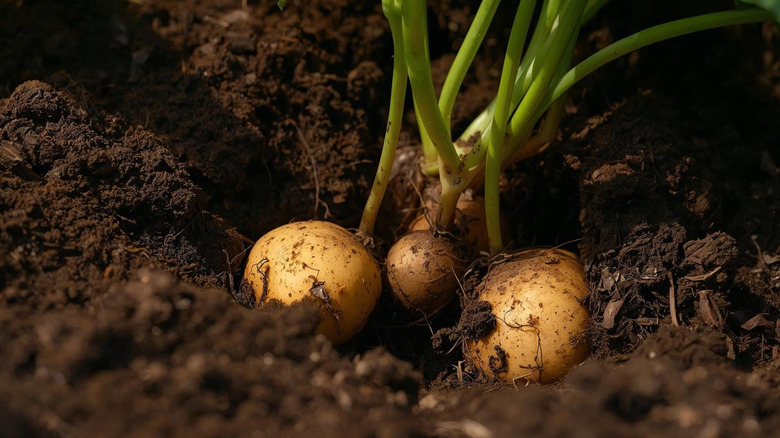
The final cool-weather vegetable on this list that you can start outdoors in April is turnips. They prefer temperatures between 40 and 75 degrees Fahrenheit, and can decrease in quality if grown in hot weather. Plant these seeds directly into your outdoor soil about 2 to 3 weeks before your area's last frost date. Turnip seeds should be planted 1 to 2 inches apart, about ½ an inch deep, and in areas with full sun. For healthy and delicious root vegetables, avoid starting turnips indoors and transplanting them in April; it's better to sow them directly in your garden.
Peppers
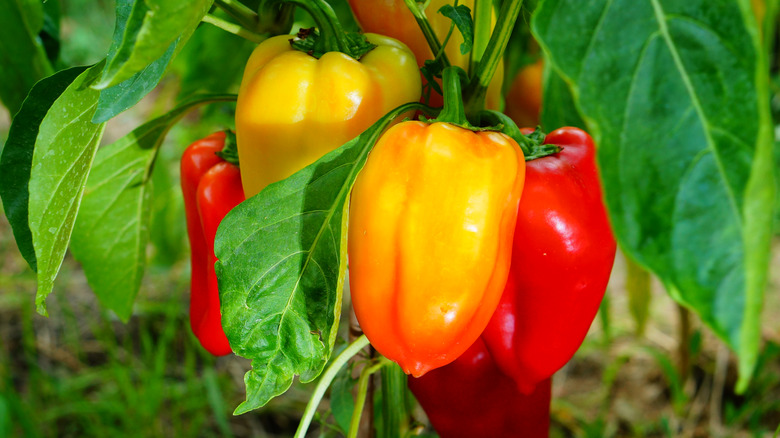
If your last frost date falls in the month of April, you are all set to start planting peppers in your vegetable garden. Since these culinary vegetables often take a while to grow, it's not uncommon for gardeners in colder, northern climates to start them indoors to get a head start. Once you've hit about 2 to 3 weeks after your last frost date, you can transplant your pepper plants outside or, if you're in a warmer climate, just plant seeds directly in the soil ¼-inch deep and about 18 to 24 inches apart.
Zucchini
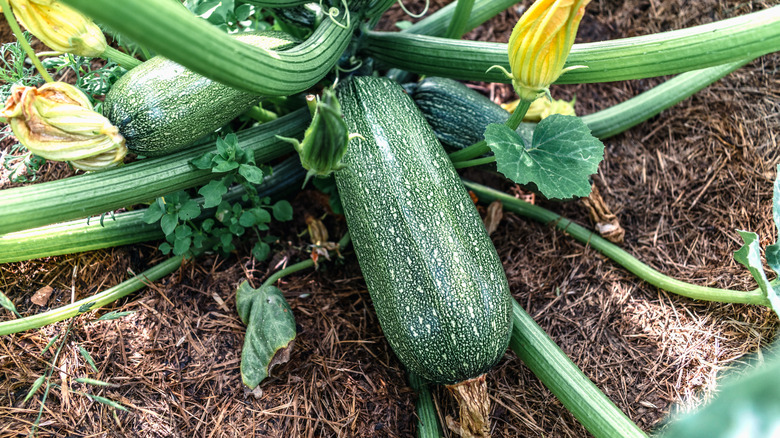
As a warm-season plant, zucchini seeds can be planted directly in the soil if your area has passed its last frost date, and seedlings can be transplanted outside. This period typically occurs in April in mild climates, such as zones 5 through 7. You can still plant them in warmer zones, just note that the veggies may suffer if temperatures stay over 95 degrees Fahrenheit. Zucchini plants should be spaced about 2 to 4 feet apart in soil with a pH between 6.0 and 7.5.
Sweet potatoes
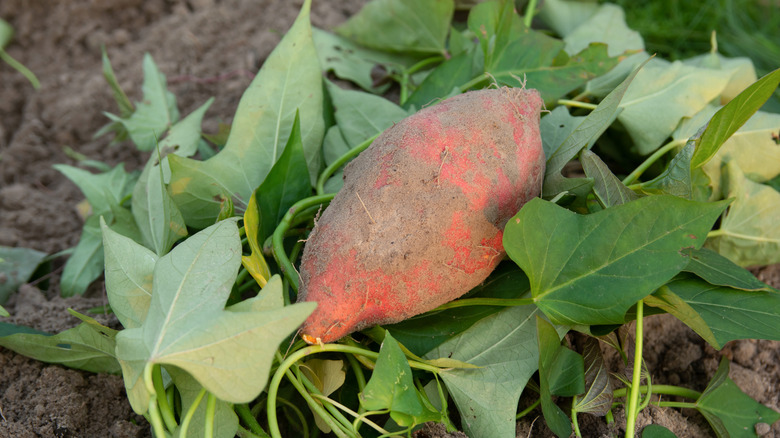
If you live in an area with a warm April climate, consider this your sign to get started on planting sweet potatoes. Do not plant these root veggies until after your last frost date, or until your soil's temperature reaches at least 70 degrees Fahrenheit. Whether you started your sweet potatoes indoors over the winter or you're planting cuttings directly in your garden, now is the time to get them into the ground. Note that sweet potatoes have a longer growing period of about 90 to 120 days. Make sure they are planted at least 18 inches apart in well-draining soil.
Eggplant
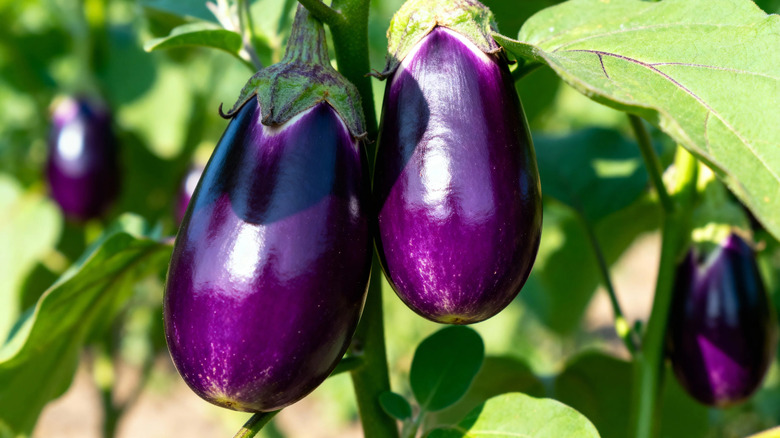
Eggplants are excellent direct-to-soil plants to add to your vegetable garden. These warm-season culinary vegetables can be planted or transplanted after the last frost date in April. Colder zones will need to wait until May to plant since eggplants are very sensitive to cold and often won't recover after an unexpected freeze. Make sure your eggplants are planted at least 2 to 3 feet apart in an area that receives at least 6 to 8 hours of sunlight a day.