

12 Flowers That Sprout From Seed In Just A Handful Of Weeks
We may receive a commission on purchases made from links.
Good things come to those who wait, but instant gratification is fun, too. Or, as close to instant gratification as you can get — at least when it comes to gardening. While some plants can take years to mature, not all plants require long waits for big, beautiful payoffs, and we've got a list of gorgeous blooms to prove it.
Here are 13 different annual flower you can grow from seed that should sprout within a few weeks (or even days). We'll cover how long they take to germinate and bloom, on average, and give you a few tips to make sure your babies are happy and healthy. Remember that every seed packet is different and growing conditions can be a big factor, but following these guides should ensure you get some strong seedlings in as little time as possible. Grab your seed-starting potting soil and let's dive in.
Zinnia (Zinnia elegans): 4-8 days
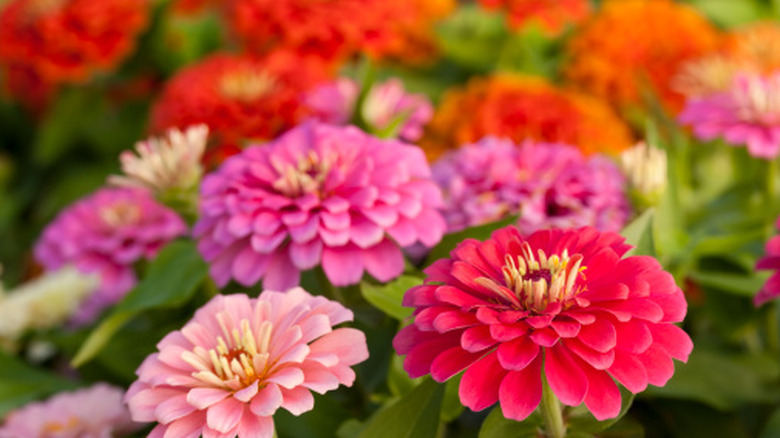
The zinnia (Zinnia elegans) flower is one of our favorites because of how many colors its blooms come in. Plus, they're amazingly fast germinators, sprouting in as little as four days from planting. After that, you could even see the first flowers in as little as six weeks under the right conditions — and zinnias will keep blooming until your first frost if they're happy.
The key to getting a zinnia seed to sprout quickly is the soil temperature. Zinnias love when soil is above 70 degrees Fahrenheit, so you should wait until after your last frost date to plant them or use a soil thermometer, like Wizerar's Compost Soil Thermometer Waterproof Soil Temperature Thermometer, if you want to be precise. Plant your zinnia seeds somewhere that has full sun, but make sure to space them out so they have airflow between the blooms. Otherwise, you might have to deal with a fungal infection spreading across your whole patch.
Marigolds (Tagetes spp.): 5-8 days
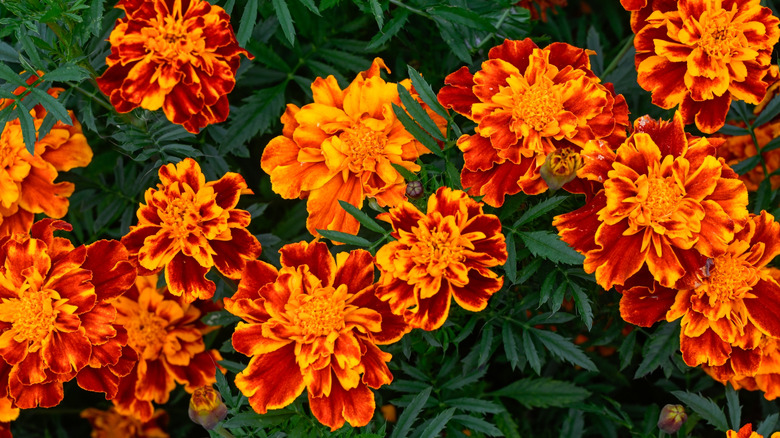
Marigolds (Tagetes spp.) are a warm-season annual that's easy to grow and can fill the garden with splashes of color. And there are also practical benefits of planting marigolds, like the fact that they can attract beneficial pollinators. And to top things off, they sprout quickly, taking only around a week to germinate and eight weeks to bloom.
Marigolds grow in nearly any type of soil, but they do require good drainage, so you may need to mix some perlite or coco coir into your soil if it's clay-heavy. They'll also grow in part sun but will look much more vibrant if they're sown somewhere that gets full sun exposure. One of the things to know before planting marigolds is to be careful when pruning or cutting, as some species have sap that can cause a rash.
Calendula (Calendula officinalis): 5-15 days
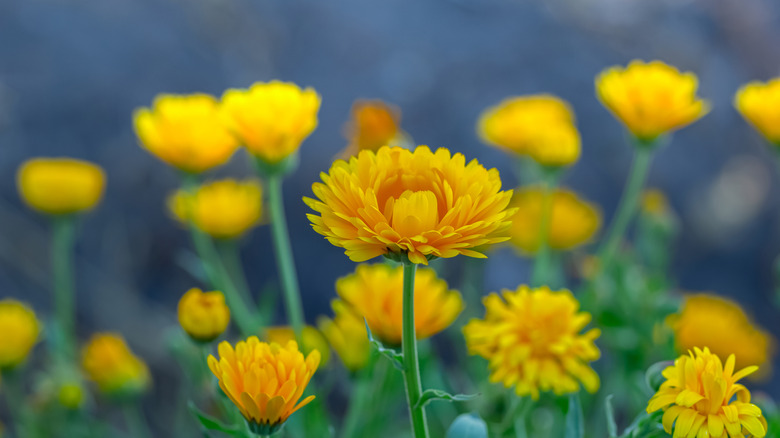
Not only do calendulas (Calendula officinalis) bloom quickly, but they're also pretty simple to grow, making them great for beginners. Also known as "pot marigold," you can expect a calendula to germinate from seed in about 5 to 15 days. After that, expect your blooms to start appearing within about 60 to 90 days.
Calendulas are ridiculously easy to grow from seed, especially if you start them indoors 6 to 8 weeks before your last frost date. However, you can also just pop the seeds in the dirt if you're out of time, just do it as close to your last frost date as possible. They do well in full sun and well-draining soil, but may need a little shade from the hot afternoon sun in the summer. Calendula is a cool-season annual, which means it's highly tolerant of colder fall weather. But if your region experiences hot summers, you might find that the blooming slows during the heat, or that plants start to die back. To extend the bloom season, deadhead spent flowers and pinch off any leggy growth so your calendula plants stay nice and compact.
Nasturtiums (Tropaeolum majus): can germinate in 7 days
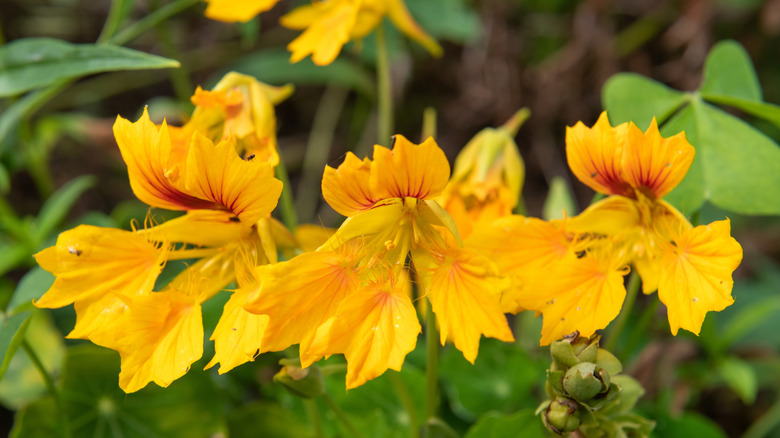
As a gorgeous deer-resistant summer flower, nasturtiums (Tropaeolum majus) are excellent to plant in both ornamental and vegetable gardens. Besides creating beautiful blooms and trailing stems, nasturtiums can deter insects naturally by acting as a trap crop for pests like aphids. The seeds only take around 10 days to germinate and can begin to flower after 6 weeks after this, so your crops will be protected by these cheery blooms throughout the growing season.
Sow your nasturtium seeds somewhere that gets full sun, unless you're in a hot climate. If that's the case, give them some protection from the scorching afternoon summer sun. Nasturtiums don't really care much about soil quality — they'll grow in almost anything, including soil with low nutrients. Let them do their thing and don't give them too much fertilizer to compensate, or you'll end up with dense foliage and few blooms.
Dahlia (Dahlia x hybrida): 5-14 days
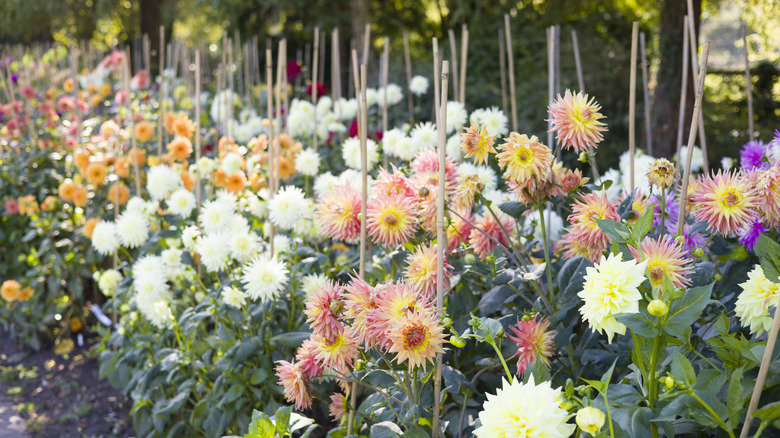
If there's any flower that's more stunning and diverse than the dahlia (Dahlia x hybrida) then let us know. Not only do dahlias come in a crazy range of flower and leaf colors, but they're incredibly fast growers. You can expect germination as early as five days. However, dahlias grown from seed can take longer to flower than those grown from tubers, so you'll probably need to wait between 100 and 120 days for the blooms.
The best place to plant your dahlias is somewhere that gets full sun. They'll also need fertile soil that stays moist but has good drainage. If you're planting them somewhere where temperatures drop below 25 degrees Fahrenheit, then you'll need to dig them up before your first frost and store the small tubers that have developed somewhere cool and dark until the next year.
Petunias (Petunia x hybrida): 7-10 days
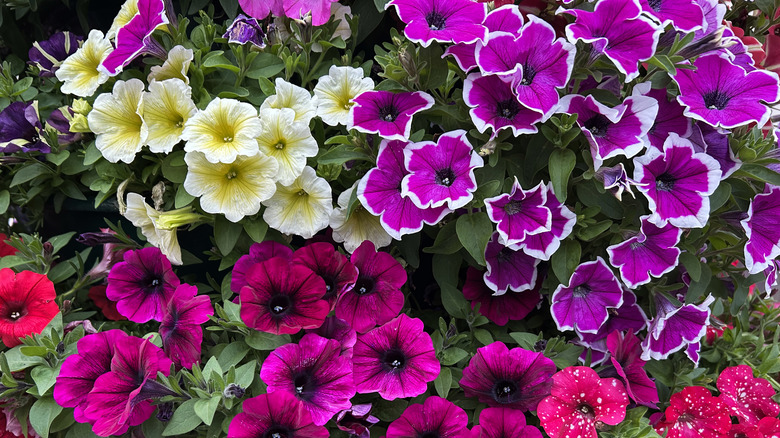
If you need as close to immediate blooms as possible, look no further than the Petunia (Petunia x hybrida). Petunia seeds take only around 7-10 days to germinate and 30 days to bloom. Plus, they're aren't high maintenance and come in so many colors that you can have a dynamic-looking garden ready to go right when those last winter doldrums are ready to be shaken off.
Petunia seeds can either be started indoors before your last frost or sown directly outdoors — just make sure your soil temperature is above 72 degrees Fahrenheit. Petunias need good drainage but can grow in almost any level of sun exposure. However, you'll get the most vibrant blooms if you plant them in full sun.
Sunflower (Helianthus annuus):10 days or less
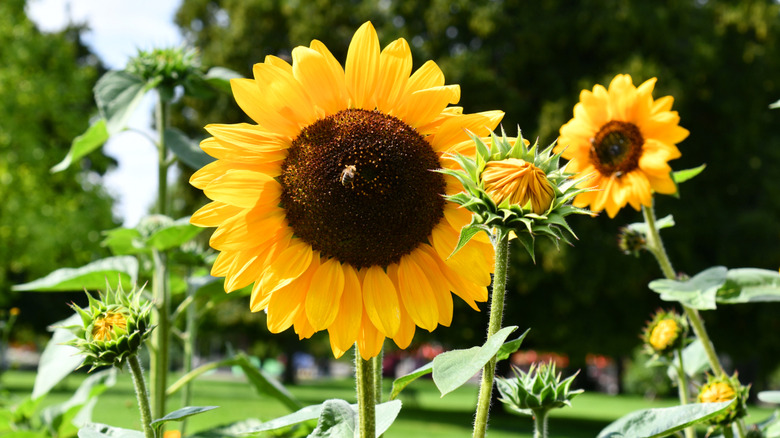
The cheerful, happy sunflower (Helianthus annuus) is a very fast germinater, which we love. After a long winter, you just need a little pick-me-up, don't you think? Sunflowers take around 10 days to germinate and 90 days to bloom. Plus, their spent blooms are food for birds, and the old stems can provide habitat for bees, so you can skip the deadheading chores and just say you're doing it for the pollinators and not because you're lazy. Your secret is safe with us.
Direct seeding is your best option, so wait until the last frost date has passed before planting. Sow sunflower seeds somewhere that has full sun and well-draining soil that's slightly acidic. One thing to keep in mind is that sunflowers are allelopathic, meaning that they create a toxin that prevents other plants from crowding their space and consuming resources, so you'll need to find allelopathic-resistant neighbors if you want more than sunflowers growing in your garden patch.
Black-eyed Susans (Rudbeckia hirta): 7-14 days
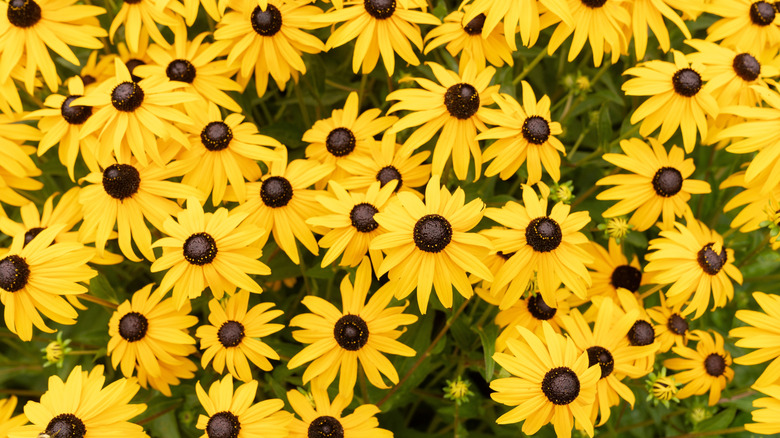
Black-eyed Susans (Rudbeckia hirta) are native plants, fast-growing, and super hardy. If you give them a good cold stratification period, you should see germination begin within one to two weeks. From there, it'll take 60 to 90 days for the plants to reach maturity. In total, you might need to wait for up to 120 days until the plants bloom.
One caveat: Cold stratifying black-eyed Susan seeds for 2-4 months before sowing can increase germination rates. But you can also try sowing them without cold stratification — you should get a decent germination rate, just less uniform. Plant your seedlings somewhere that has good drainage but can stay a little moist. They can handle partial-to-full sun exposure and are pretty go-with-the-flow once established.
Gilia (Gilia capitata): 7-14 days
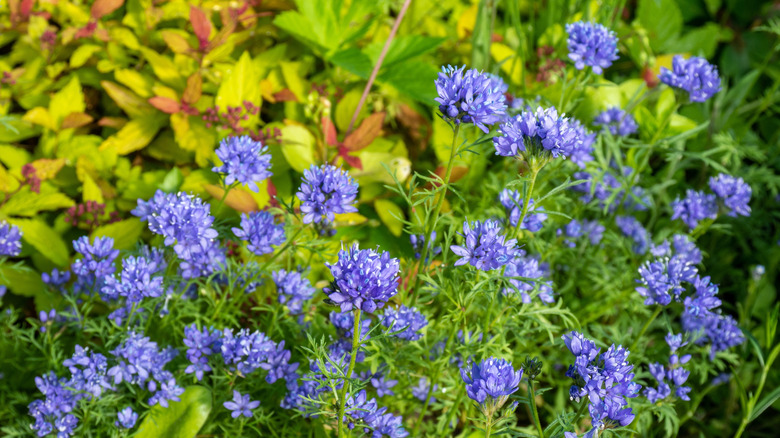
Gillia (Gillia capitata) is another flower native to the U.S. that grows quickly and doesn't take much effort to make happy. Expect germination within 7 to 14 days and for blooms to appear around 60 days after planting. You may be able to improve your germination rates if you cold stratify for a couple of weeks before sowing.
However, if you're too late to cold stratify, no worries, as gillia seeds can still germinate without cold exposure. Gillia is native to the Western part of the U.S., and prefers dry, rocky soil, but it'll take whatever you've got, really. Full sun exposure and good drainage is ideal, but gillia can tolerate part shade as well. Your gillia won't have a long bloom season as it tends to die back in the heat of summer, but self-seeds easily so should pop back up next year ready to go if you let it.
Periwinkles (Catharanthus roseus): 7-14 days
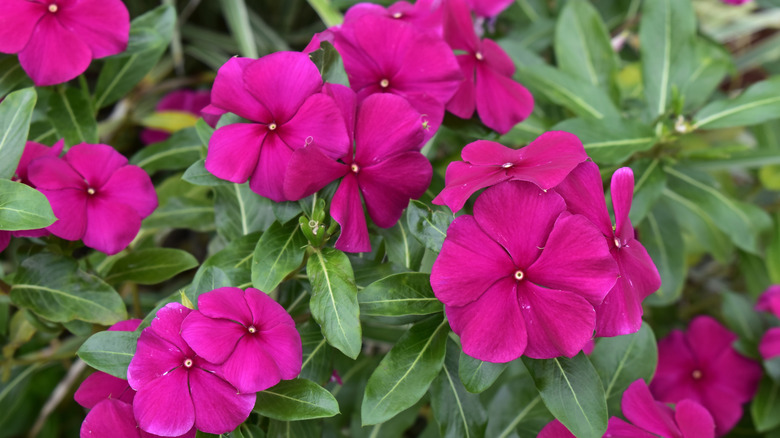
The Madagascar periwinkle (Catharanthus roseus) is another perennial with super-fast germination rates. They can take a bit longer to germinate than petunias — about 14 days — but you may see germination after seven days, and once they've sprouted, blooms can start within 6-8 weeks.
Periwinkles enjoy acidic soil so they're great to plant around blueberries or gardenias, but they can tolerate other soil types too, as long as they're well-draining. Sow them somewhere that gets full sun for the best displays, though they're able to handle partial shade, too. What's great about periwinkles is that they'll thrive almost anywhere, including containers, hanging baskets, along borders, you name it.
Coreopsis (Coreopsis tinctoria): can germinate in 10 days under the right conditions
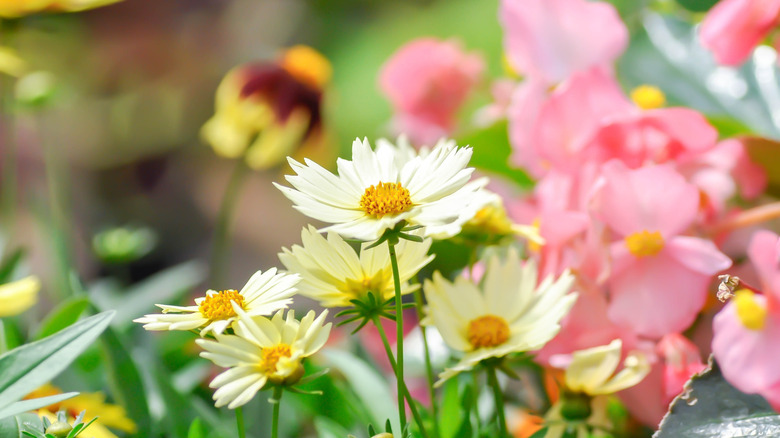
Coreopsis (Coreopsis tinctoria) flowers look like little daisies or sunflowers, depending on the color. They're incredibly prolific growers, taking only around 10 days to germinate under the right conditions, blooming in anywhere from 30 to 90 days from sowing. However, most of our research showed that 60 days seems to be the average, so we'd suggest planning for that but not worrying if it takes a smidge longer.
Coreopsis flowers have naturalized around the U.S., so are able to be sown just about anywhere, including areas with poor soil. Just make sure the spot has good drainage, as they won't do well in consistently moist conditions. This is also one of the few flowers we can recommend clumping together instead of spacing out, as they seem to do thrive in crowded spots.
Salvia (Salvia splendens): 12-15 days
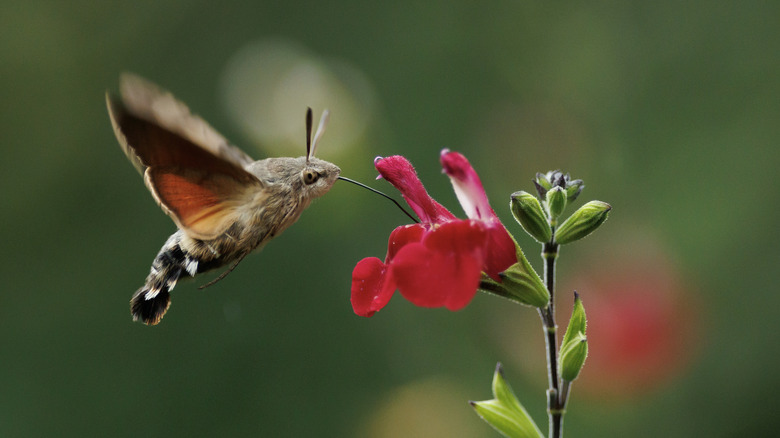
Salvia (Salvia splendens), also known as scarlet sage, is one of those flowers that's both quick to germinate and has a long bloom season. Most salvias will germinate within 12 to 15 days, and you should expect the first blooms to pop up around 30 days. Once those blooms appear, they'll stick around throughout the summer all the way up until your first frost.
Salvia seeds need light to germinate, so don't cover them once you're ready to sow. They're happiest somewhere that has full sun to partial shade and well-draining soil, but they can be grown in containers, too. They're also easily propagated from stem cuttings, too, so you can bring them indoors over the winter.