

What To Do If You Find A Dead Animal In Your Yard
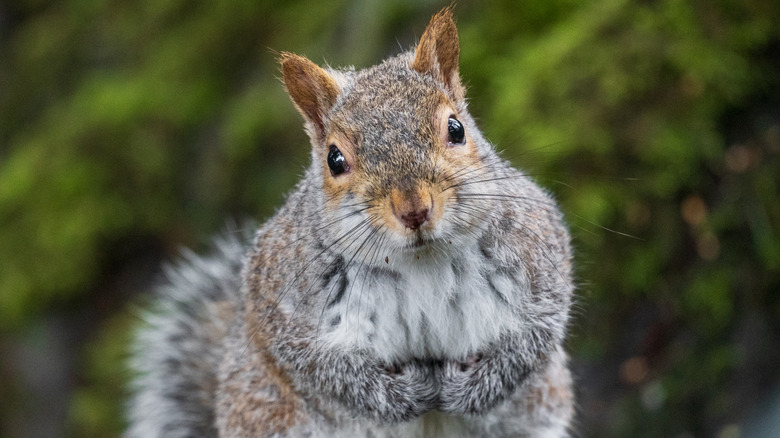
Ah, nature, you are "red in tooth and claw," as Tennyson wrote. Spending time outdoors working in your yard is a great way to enjoy nature, including the local wildlife. Unfortunately, this may occasionally mean discovering a dead animal in your yard or garden. Disposing of a dead animal may present certain risks, depending on the circumstances, so there are a few things to consider. If you happen to find a dead animal in your yard, here are some tips for handling the situation safely and effectively.
First of all, you shouldn't touch or handle the animal before identifying it. Consider whether you need help with the situation. If the animal is large (like a deer or a bear), or an obvious wild animal, you should call your local wildlife organization and get some advice. Wild animals can carry diseases, and experts may be able to advise you on safe handling or any health risks, such as avian flu, which can affect both wild and domestic animals.
If you find roadkill in your yard (an animal hit by a car), your local public works agency may be able to come remove it for you. If you find a dead cat or a dog, either hit by a car or in your yard, you should call your local animal control organization, who may help you determine if someone is missing their pet. There may also be local community groups on social media that are focused on lost and found pets, so you can check to see if the cat or dog was reported lost and contact the owner.
Disposing of a dead animal safely
If the animal you find is relatively small, like a bird, squirrel, woodchuck, or rabbit, you'll probably be able to deal with it yourself. You may not be able to determine what happened to it, but if you can, you should also consider ways to prevent future occurrences. For example, there are a few ways to prevent birds from flying into windows (a common cause of birds dying). Using rodent poison can cause animals (like cats or owls) to sicken and die from eating poisoned rodents, though testing is needed to determine if this is the cause of death.
Wild or domestic animals may have diseases or parasites, or they may be infested with fleas or ticks, so it's best not to handle them directly unless you have proper safety gear, including gloves. Disposable gloves or washable rubber ones are best, but if you have to use leather or canvas work gloves, handwash them afterward in antibacterial dish soap and water, let air dry, and use saddle soap to recondition leather gloves. If you don't have gloves, use trash bags, an old tarp or blanket (discard afterward), or cardboard to move the animal. Wearing long sleeves, trousers, and safety goggles also offers some protection.
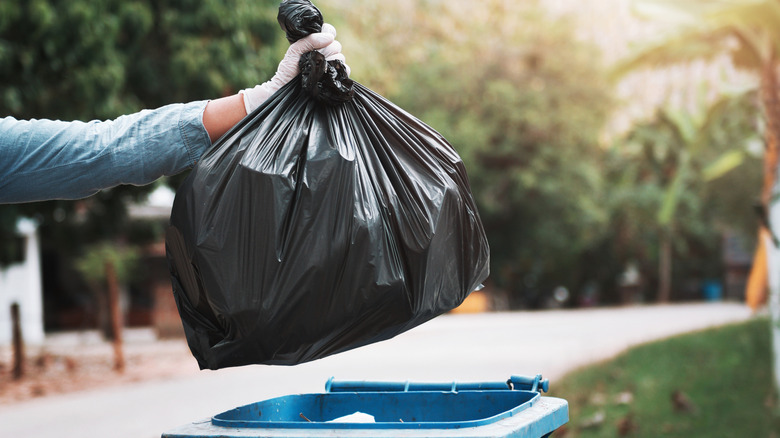
Pest control experts recommend disposing of dead animals in strong or double plastic bags, tied tightly and placed in leakproof containers. You may need another person to help you lift the animal into the bag. Be careful of exposed bones, teeth, claws or porcupine quills, and use care when moving animals — again, a tarp or blanket can be helpful. After handling any dead animal, remove your gloves, and wash your hands.
Burying an animal in your yard
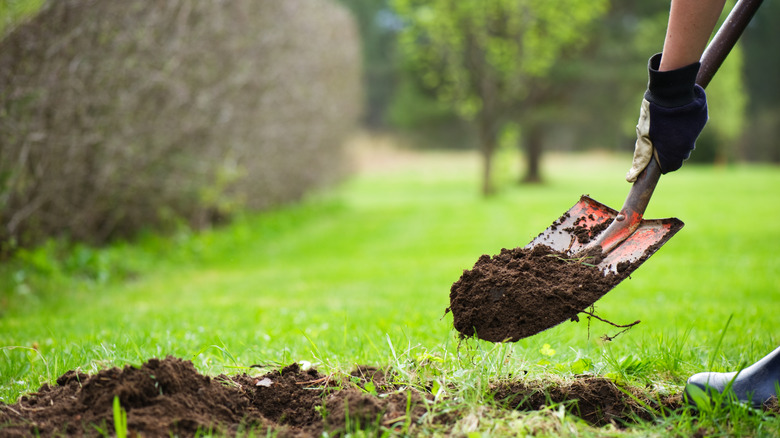
If you have space and the inclination, you may choose to bury a dead animal that you find. This is fine to do for smaller animals, but it may be an unsuitable approach for a larger animal. There are a few reasons for this. Mainly, it's because the hole needs to be fairly deep to avoid having other animals dig up the carcass. This includes your own or another dog digging in your yard. Digging a deep hole for a large animal may also interfere with gas or other utility lines, so always check with your local regulations before burying a pet or other animal in your yard.
However, if the animal is small, such as a bird or squirrel, burial is an option. You should dig a hole at least 2½ feet deep to be on the safe side. You can wrap the animal in biodegradable material, such as a paper bag or natural fiber cloth (cotton, linen, wool, or silk). Sprinkling some garden lime (calcium carbonate) in the hole will help prevent decomposition odors. This soil amendment is available in most garden shops or hardware stores. Placing a flat rock or bricks over the burial site can deter animals from exploring.
Normally, wild animals don't go near their dead compatriots, but there are exceptions to this. For example, if a doe is killed, its fawn may stay nearby for a time. If you see an animal nearby when you try to bury the one you found, be cautious and respectful of its safety, and your own, and give it some space.