

Important Steps To Take If You Find A Hurt Animal In Your Yard
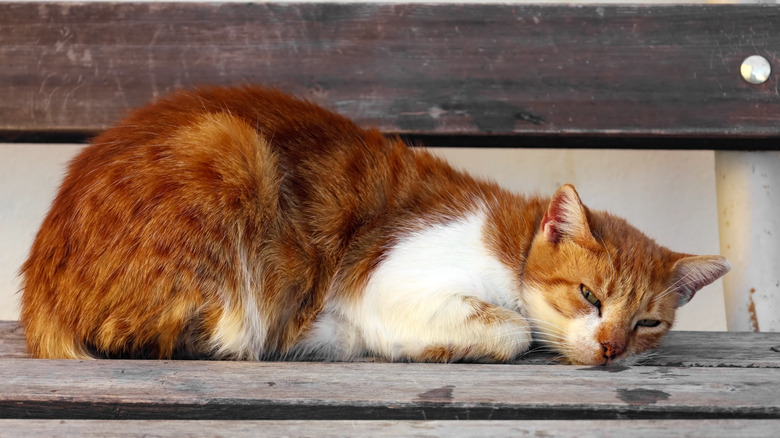
Nearly everyone of us has our protective instincts kick in when we spy an injured animal. It's a rare but still real possibility that comes with creating an outdoor space that welcomes and protects wildlife or living in a pet-friendly neighborhood. If you find yourself in this heart-wrenching situation, there are smart things to keep in mind, both to protect yourself and the animal in question.
The most important tool for helping a hurt animal is your phone, but depending on the animal and the nature of its injury, you should also have on hand a blanket, towels, heavy gloves, and an old cardboard box with added ventilation holes to contain the animal while you transport it to the right professionals.
Whether the animal is a stray pet or a wild animal, many of the right moves are similar. One main difference is that it's often best to leave an injured wild animal alone; even with our best intentions, unnecessary human contact can cause the animal undue stress while it's already suffering. A prime example is a wild turtle with a small crack in its shell or an injured foot. Turtles recover remarkably well from minor mishaps, so it's best to let them heal on their own. However, if the animal is clearly injured and doesn't look like it will rally on its own, that's when you should get involved. Similarly, some stray pets appear injured when they're simply afraid. If you're able to approach the animal to check its tag, a quick phone call to the owner will surely be appreciated.
Aiding an injured wild animal
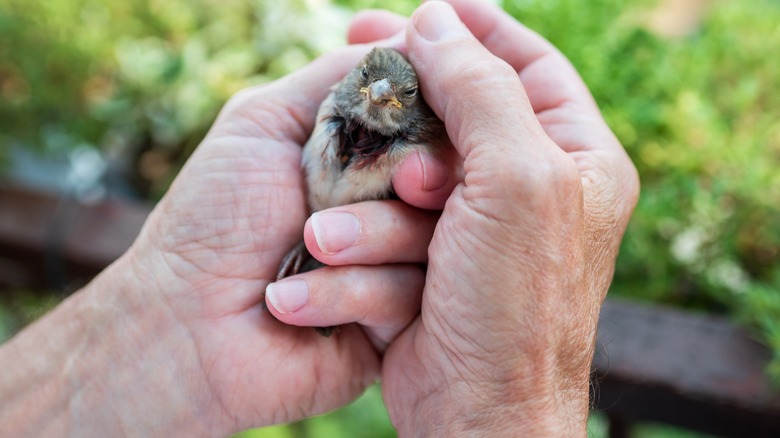
Wildlife comes in all sizes, and giving hands-on help to hurt ones is probably only feasible for small animals. Before approaching any size animal, contact the right authorities. Check the National Wildlife Rehabilitation Association's resource page to contact the closest outlet. If there isn't a rehab center near you, contact your region's office of the U.S. Fish and Wildlife Service. For more urgent situations, contact a veterinarian. These professionals will guide you through the process to both keep you safe and to make sure you're complying with local regulations for particular species. Let authorities know where you found the animal, and take a picture of it to help them determine the smartest course of action.
If you've been given the thumbs-up to catch the animal, gather your supplies and enlist a helper if possible. Line a box with a towel, don your gloves, and move quickly but calmly toward the animal. If it can move, try to back the animal against a wall or fence to keep it from escaping. You can contrive a wall by having a helper hold a bed sheet up in front of the animal. Toss a blanket over the animal to contain it — its weight should be enough to hold a small animal without causing harm. With gloved hands, place the animal in the prepared box and secure the top. Don't give the animal food or water. Move the box to a vehicle if you're transporting it to a rehab facility. If professionals are coming to you, keep the box in a warm, dark place while you wait for help to arrive.
Helping hurt stray pets
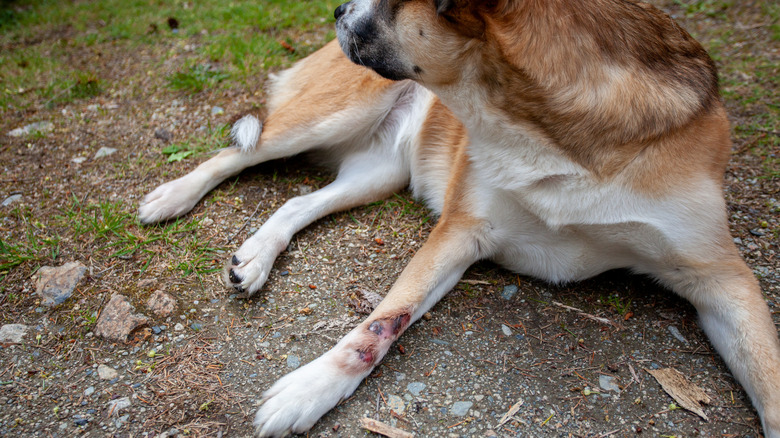
If you suspect that the animal is a stray pet, contact your local humane society chapter or animal control branch. Even if an injured stray has a collar and tags, it can be dangerous to approach it. After all, the sweetest lap dog can get defensive when in shock or pain. If you're worried about touching the pet, animal control may be able to come take over. Photos can help professionals determine what's wrong with the animal and devise a plan.
If a small stray animal is still mobile, use the same tactics to capture it as for wild animals. Stay calm and speak reassuringly to the pet. You may need a muzzle for a frantic dog. As long as the animal isn't choking, you can make a temporary muzzle with a rope, a leash, or a belt. Tie a loose slip knot at the midpoint of the material, and slide it gently over the dog's closed mouth. Tighten the knot around the dog's nose and mouth gently but firmly. Bring the loose ends under the dog's chin, and tie the ends securely behind the head and beneath the ears.
Use an old throw blanket to scoop up small animals and slide them into a prepared box. Blankets are handy carriers for larger dogs, too. With a helper, lift the dog around the torso, and move it onto the blanket. By lifting the blanket's corners, you can use the blanket to transport the animal to a vehicle and then to a vet's office.