

Skip The Pressure Treated Wood For Your Deck And Go With This Durable Alternative Instead
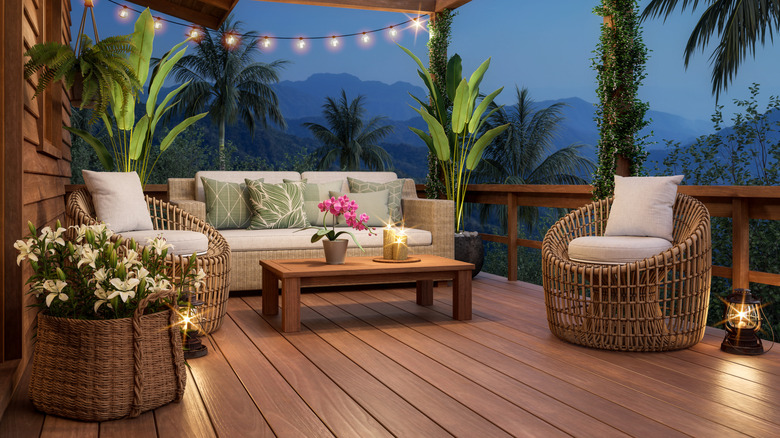
Adding a deck to your property creates space to enjoy more time outdoors entertaining or just relaxing on a warm evening. Building a deck expands your outdoor living space, which can increase your property value. If you decide to sell your home in the future, a deck offers a high return on investment. But the choice of wood for your deck will influence its appearance and longevity, which is what makes durable Ipe wood such a great option.
One of the keys to help you build the perfect deck is selecting the right type of wood. When choosing the materials, it is important to weigh factors like the cost, lifespan of the materials, and whether you want to install the deck yourself or hire a professional to handle the job for you. While pressure treated wood is commonly used for decks, it contains chemical preservatives that make it durable enough for decking, has a lifespan of 10 to 15 years, and requires annual sealing or staining to prevent deterioration. Pressure treated wood cracks and splinters easily, especially if you don't keep up with annual maintenance.
Ipe wood, also known as Brazilian walnut, is a dense tropical hardwood that is native to South America, most commonly Brazil and Peru. Ipe has a natural color that ranges from dark brown to olive tones. The high density and hardness of this wood make it suitable for a wide range of applications, including decking.
Advantages of Ipe wood decks
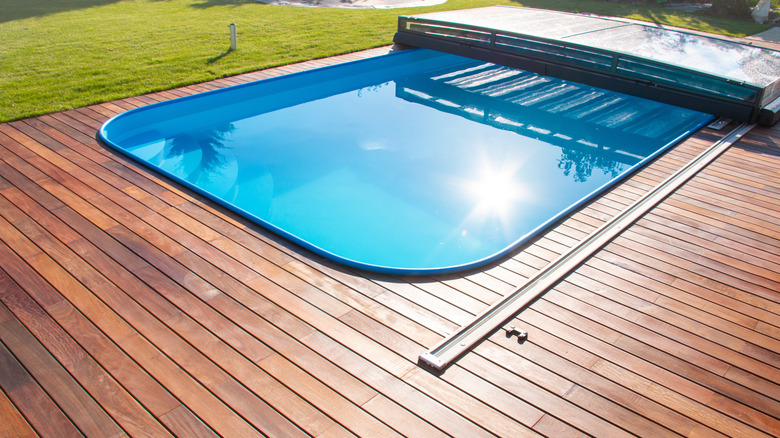
Not selecting the right deck boards and failing to use a non-slip material are among the mistakes to avoid when designing your deck. In both of these areas, Ipe wood offers an advantage. The density of Ipe provides strength that enables this material to sustain weight and movement. The strength and durability of this wood make it scratch resistant and not prone to weathering. These decks can last 75 years.
Ipe wood decking can stand up to the elements, insects, and decay. This wood has a natural resistance to rot, mold, fire, and pests, which contributes to its long lifespan. The natural strength and heat resistance makes it a suitable choice for all climates. Ipe can withstand humidity, wet environments, snow, rain, and UV exposure without splintering or warping.
There are pros and cons to everything, including Ipe decks. Some of the common issues you might encounter with Ipe wood decking include a much higher cost than pressure treated wood, and difficulty of installation. The density of the wood makes it more challenging to install and requires stronger tools to drill through the wood, so you may want a professional to handle the job. Although the wood is more expensive, it will last far longer than pressure treated wood. If you plan to stay in your home for many years, the higher initial investment may be worth it in the long term.