

Ditch The Microfiber: This Alternative Towel Material Is So Much More Eco-Friendly
We may receive a commission on purchases made from links.
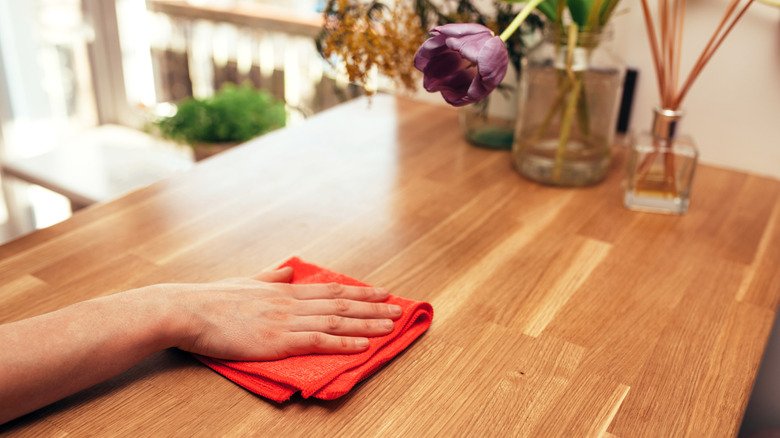
As we become increasingly aware of the impacts our personal choices have on the environment, we want to invest in the best eco-friendly kitchen products, homewares, clothing, and more. Everything we use, buy, and engage with influences the natural world in some way. We want to support sustainability initiatives to ensure the Earth stays healthy for future generations. While it's common to swap single-use bottled water for reusable bottles or ditch plastic bags at the grocery store, some of the less eco-friendly household items we use every day slip our notice. For example, a microfiber towel, which seems like an eco-friendly paper towel alternative that's chemical-free, is likely leaching microplastics into our homes and the wider environment. For more sustainable cleaning, you can use towels made of natural fibers, like bamboo.
Microfiber cloths are prized for their ability to absorb surprisingly large volumes of liquid and leave behind a streak-free finish. The minute spaces between the fibers trap whatever liquid you're cleaning up. Microfiber towels are usually made of synthetic materials, but that doesn't mean they're the only option. Increasingly, you can buy natural-fiber cloths with similar properties to their plastic counterparts. Products like Fab Tab Viscose Cleaning Cloths, which are made from 90.5% bamboo and 9.5% polyester, are highly absorbent — performing better than cotton and just as effectively as microfiber towels for regular cleaning tasks. Plus, they have a major advantage: they're safer for the environment.
Why choose bamboo towels for cleaning?
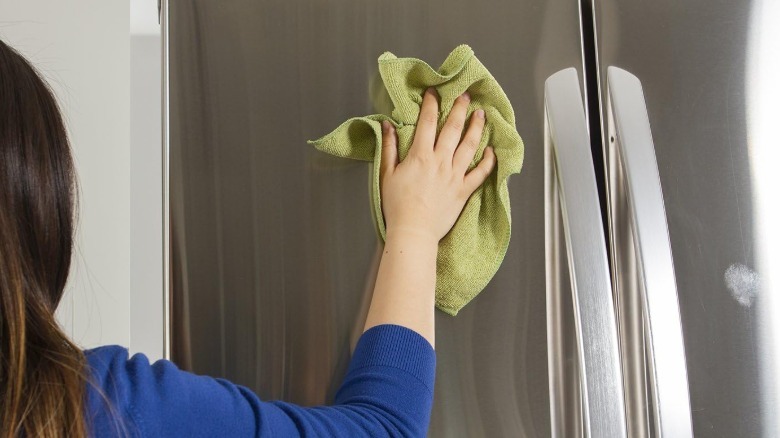
Synthetic textiles, like those made of polyester, rayon, nylon, and acrylic, are one of the biggest contributors to plastic pollution. While properly disinfecting microfiber towels after using them for cleaning is a must, throwing them in the washing machine (and probably also the dryer) releases tiny particles, or microplastics, into the water supply. While research into the direct impacts of these microplastics on our overall health is still somewhat limited, it's safe to say that plastic polluting the environment probably isn't a good thing.
Additionally, synthetic textiles are made from plastic, which is a petrochemical product. Petroleum is a non-renewable fossil fuel, and the plastics made from it are largely non-biodegradable. While recycling helps reduce some of the negative environmental impact, natural and compostable materials are often, though not always, the more sustainable choice.
While it's clear that bamboo towels are better than microfiber towels, why choose this plant over cotton? In short, bamboo cloths win out over cotton when it comes to cleaning. Increased absorbency is a major plus, but it's the natural antibacterial properties of bamboo that really set it apart. Additionally, producing cotton requires large amounts of water, fertilizers, pesticides, and labor. While every crop has some drawbacks, bamboo grows quickly and in abundance, often needing little inputs to thrive. All of these factors combined make bamboo towels a great alternative to microfiber — and cotton — towels for functionality and sustainability.