

Butterflies & Birds Are Highly Attracted To This Small Purple Flowering Tree
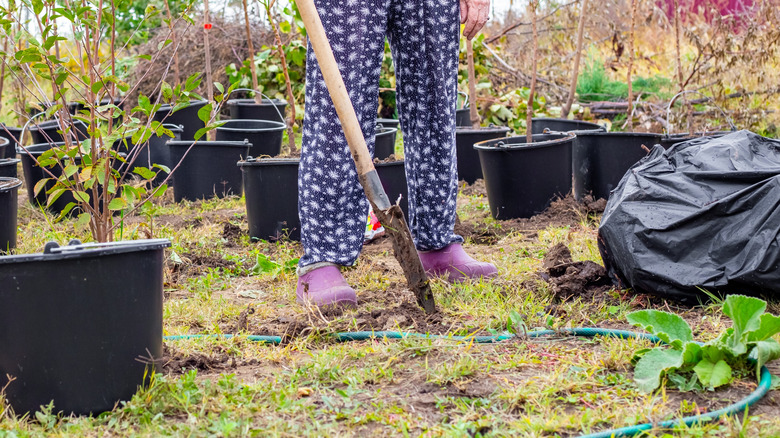
Small flowering trees can add so much interest and color to your garden, and there are plenty of beautiful flowering trees, both small and large, that you can choose from. It's even better if those gorgeous blooms can also lure in pollinators such as bees, butterflies, and even hummingbirds. A bonus would be if the tree produces berries or seeds that are loved by songbirds. If you're on the lookout for a pretty tree that will astound you with purple blooms while attracting butterflies and birds, consider the chaste tree (Vitex agnus-castus).
This small tree normally grows to around 10 to 15 feet in height, but it can get taller in ideal conditions. It thrives in USDA hardiness zones 7 through 8; in zones down to 5, it will usually die back down to the ground in winter, but the roots remain alive and send new growth back up in spring. This means it could be grown as a large shrub rather than a tree in those cooler regions. Since its flowers grow on new wood, visiting butterflies will have plenty of pollen and nectar to collect once it grows back. Plus, the seeds that appear in the fall keep a variety of songbirds happy.
Since chaste tree is a member of the mint family, its flowers, leaves, and seeds are pleasantly scented with a fragrance similar to sage. Just be aware that this tree can easily reseed itself in conditions that are favorable. Although it's not listed as invasive anywhere in the U.S., it has the potential to spread aggressively.
How to grow a small chaste tree in your yard
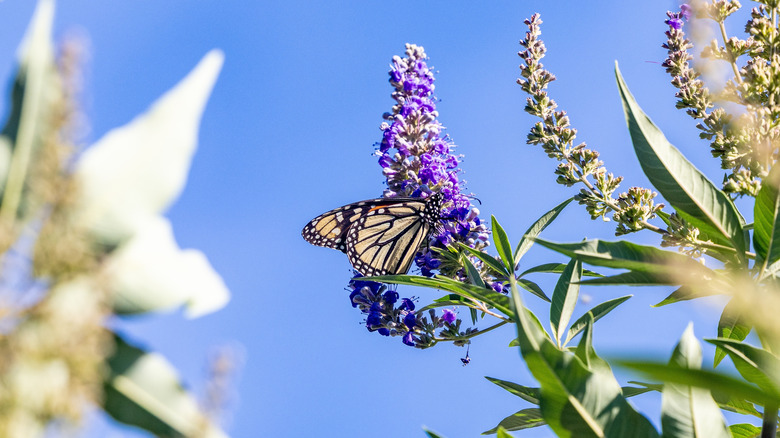
Plant this pretty lilac alternative in a sunny spot in your garden, especially if you want prolific blooms. The chaste tree is a relatively hardy species, but it needs well-draining soil. When left to grow naturally, it will form multiple trunks, but it's possible to train it to grow as a single trunk-tree, or even as a lovely standard. This versatility lets you decide how much of an impact you want the chaste tree to make in your yard and makes it perfect for a small garden.
To get an abundance of gorgeous purple flowers that will keep all those pollinators and birds flocking to your yard, you want to give this plant a pruning in late winter or early spring. This way, there will be plenty of new growth on which blooms (and later seeds) can appear. Apart from that, the chaste tree will virtually look after itself. Once established, the tree is quite tolerant of drought and salt. Thanks to its scented foliage, grazing deer will normally stay away from it. Take care once the tree is in full bloom, as it will be absolutely covered in bees. You don't want to grow it anywhere near areas that will receive a lot of foot traffic, so you don't end up disturbing those visiting bees too much.