

Skip The Fence: There's A Better Alternative For Privacy In Your Yard
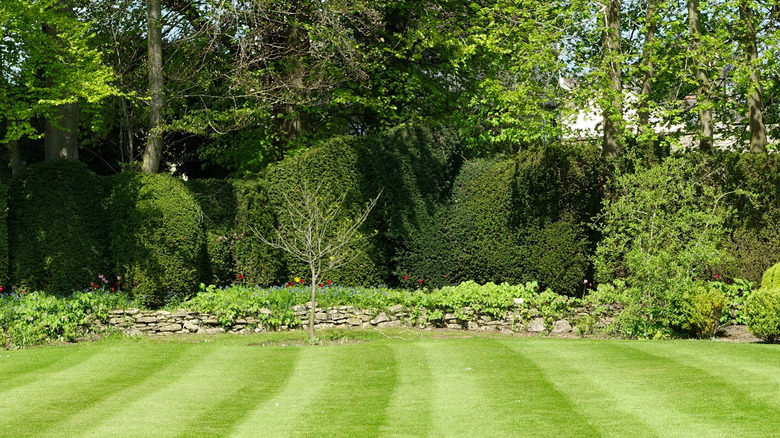
Your garden is your sanctuary, and although you may get along fine with your neighbors, you probably want some privacy so you can enjoy your space in tranquil peace. There are a few different ways you can bring privacy to your yard, and fences are a quick and easy option. However, these additions can be a little bit boring, and a towering fence may quickly become an eyesore by sticking out amongst your garden full of flowers, shrubs, and trees. So, instead of installing a fence, you may want to explore alternative options for your yard. One great idea that allows you to bring more greenery into your yard is using plants instead of fences. There are loads of hedges you can plant for privacy in your yard and a fast-growing option is laurel.
The majority of laurel bushes are evergreen, and this means that you are able to have privacy in your yard throughout the seasons. The dense, thick, dark green leaves of laurel trees bring texture and interest, and they are fairly low-maintenance once they have established themselves. Hedges can also attract a variety of birds to your yard as they provide shelter.
Which laurel is best for a privacy hedge?
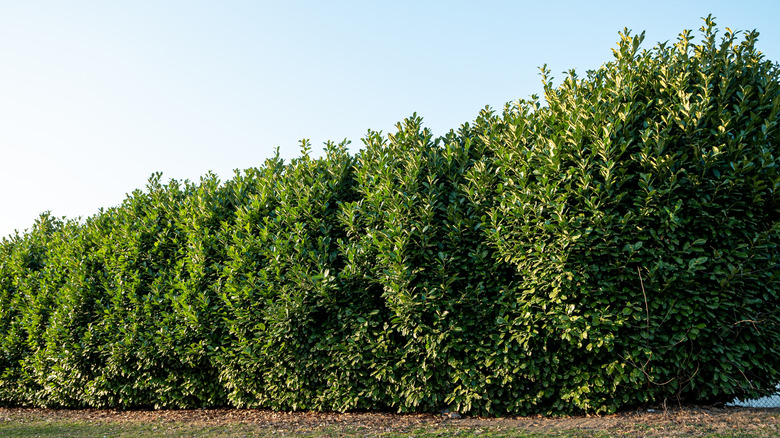
There are a few different types of laurel that can be used for a privacy hedge, and the one you pick depends on what you need from the plant and your area. The popular cherry laurel (Prunus laurocerasus) can grow up to 20 feet tall and 10 feet wide, and as it is fast-growing, it will quickly establish itself in your yard in USDA Hardiness Zones 6 through 8. However, the cherry laurel is considered invasive in many areas of the U.S., such as Washington and Oregon. Check your state's advice before bringing cherry laurel into your yard.
Thankfully, there are some laurel varieties that are less problematic than cherry laurel. For a native option, you may want to consider Carolina cherry laurel (Prunus caroliniana). This shrub can reach 35 feet tall and 15 to 20 feet wide, and its dense, evergreen foliage and pyramid shape make it a perfect screen for privacy. You can grow Carolina cherry laurel in zones 7 to 10 in both full sun and partial shade. If you live in zones 8 to 10 and want something a bit smaller, you may want to consider bay laurel (Laurus nobilis). These shrubs typically reach 10 to 12 feet tall and around 8 to 10 feet wide. As the leaves of this variety are used in cooking, bay laurel is a fantastic choice if you want to create a thriving herb garden. Before planting, be aware that laurel species have different levels of toxicity levels, so if you have children or pets, you may want to consider an alternative.