

The '60s Design Trend That's Making A Hard Comeback
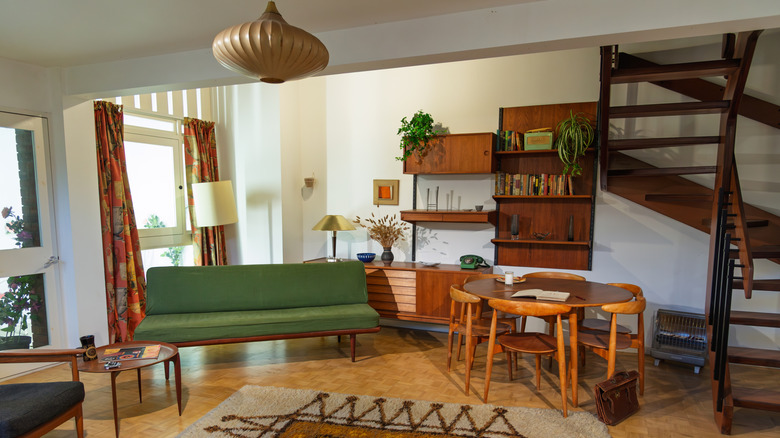
The 1960s gave us a lot. Space travel, Beatlemania, miniskirts, and some great interior design choices. It was this decade when pop art pieces adorned walls, where vibrant colors represented the excitement and frivolity of the time, and where warmth and community were paramount. As many of us explore nostalgia in our homes, it makes sense that we turn to the decade that feels lively, homely, and full of optimism. One 1960s design trend making a huge comeback is walnut wood tones, which let us recreate that warm '60s vibe without going all-out retro.
If you are up to date with your interior design trends, you may know that natural materials and cozy, personal spaces are trending hard in 2026. It's like a small '60s counterculture movement, where we are rejecting those heavily curated, designed-for-Instagram houses that look more like showrooms than actual homes and embracing spaces for living. Walnut fits perfectly into this vibe, bringing depth and warmth into a room.
Light wood tones have been popular over the last decade or so, but there is something about the beauty and richness of walnut that is calling to interior designers and homeowners. The wood tone feels earthy and grounding — allowing you to connect with the natural world and bring the outdoors into your home. Minwax has even announced its Color of the Year as being Special Walnut, claiming that the tone helps you build "spaces that feel layered, lived-in and full of soul". The 1960s loved walnut for being natural and warm — and so does 2026.
How to use walnut tones in your home
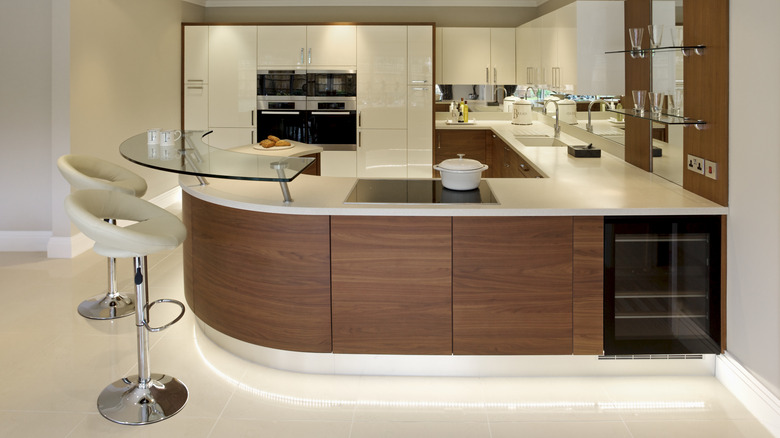
Walnut is a beautiful wood, but it must be said that it is quite domineering, so it is best used as a focal point in a room. Instead of going for walnut everything, you may want to pick one or two items made out of the wood to add that warmth without the dark tones becoming too oppressive. A walnut slat divider, a bookcase, or a dining table can all bring an organic element to your home and serve as the room's grounding feature.
Contrast is also a great way of using walnut in a modern, stylish way. Consider pairing your walnut with lighter hues, as this will both bring balance and enhance the beauty of the wood. For example, if you have a walnut slat divider in your living room, you may wish to pick light, neutral paint colors such as cream or beige for your walls. This again avoids the walnut from darkening the overall vibe of the room.
Along with the colors that surround your piece, it may be helpful to think about the room's lighting. Walnut is a deep, textured wood, and soft lighting can illuminate its beauty. Opting to decorate with greenery around the walnut can also have this effect, with plants highlighting the walnut's depth and organic feel. If you don't have a green thumb, choose low-maintenance houseplants or fake ones to avoid any drama.