

Why There's Simply No Need For Coffee Grinders Anymore
We may receive a commission on purchases made from links.
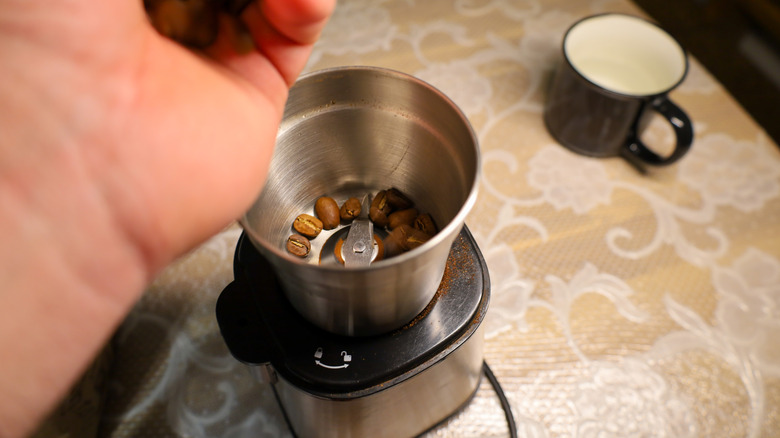
There are few things better than having a fresh cup of coffee to start your morning. And whether you own the most reliable drip coffee maker you can buy on a budget or a top-of-the-line espresso machine, there's an option for every kitchen. But many choose to complement their coffee maker with a coffee grinder, allowing them to achieve the perfect extraction every time. Instead of buying the pre-ground bags at the store, you'd benefit from grinding whole beans fresh, maximizing both flavor and potency. Even though this extra step can give you a superior brew, is it worth it? While purists will always insist on the ritual, the average kitchen has evolved in ways that make the standalone grinder feel like a relic.
New options make the standalone coffee bean grinder increasingly redundant for the modern home. Bean-to-cup machines like the Cuisinart Grind and Brew Single Serve Coffee Maker have industrial-grade steel or ceramic burr grinders built directly into the housing. You just press one button and the machine measures, grinds, tamps, and brews in about 60 seconds. And in 2026, there are new formats of coffee that skip the grinding process entirely without sacrificing flavor. We are entering the era of "specialty" coffees, including high-quality liquid bases that allow for instant lattes or iced coffees, and steeped coffee bags for specialty roasts that use nitro-sealing to maintain freshness.
More reasons why the grinder is outdated
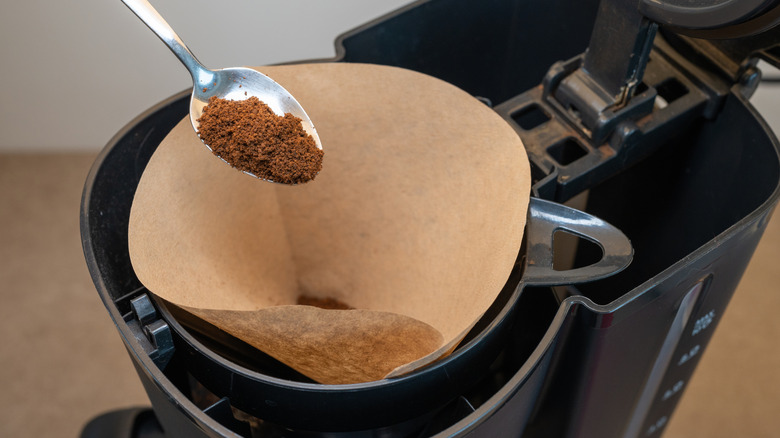
Simplify your setup of the must-have kitchen feature that'll improve your mornings. People are tired of "appliance creep." A standalone grinder means another cord to manage, another item to dust, and more noise in the morning. If this appliance makes your countertop cluttered and dusty, you'll need to keep some simple cleaning hacks to keep your home tidy in mind — or just get rid of it altogether.
It's also important to know that the old "pre-ground is stale" argument isn't as ironclad as it used to be. Most high-end roasters now use nitrogen flushing to remove oxygen from the bag before sealing. This keeps the coffee "chemically" fresh for months until the seal is broken, giving you café-quality results at home. And unless you are spending $200 or more on a high-quality conical burr grinder, a professional roaster's industrial grinder most likely won't do a better job than you can at home.
If you still prefer the unmistakable aroma and flavor of ground coffee, you don't necessarily need a dedicated machine to get the job done. While using a grinder is the traditional route for enthusiasts, there are clever ways to repurpose the tools you already own. You can buy your own coffee beans and grind them without a grinder, just by using the blender you most likely already have. To do this, simply add a small amount of beans to the pitcher and use the "pulse" setting in short bursts to avoid overheating the delicate oils. Make sure you always shake the blender slightly between pulses to ensure an even consistency and prevent the bottom layers from turning into fine dust.