

Plant This Fresh, Citrusy Herb Once And It'll Return To Your Garden On Its Own Each Year
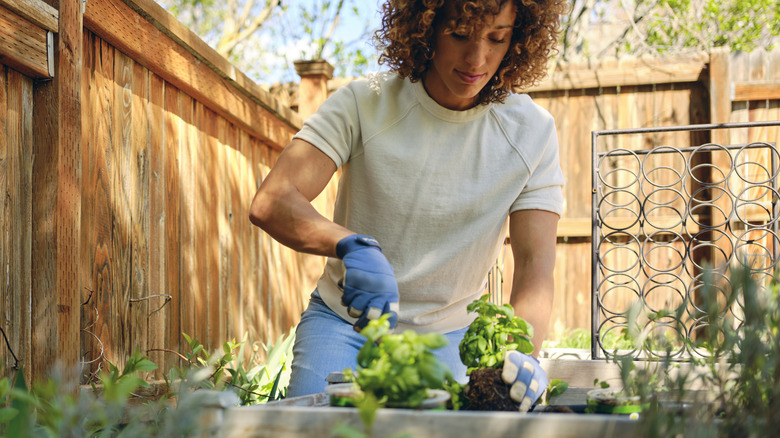
Lemon balm (Melissa officinalis) is quite the multitasker in the garden. The bushy herb smells wonderfully of lemons, it adds beautiful greenery to the garden, it bears edible leaves, and its flowers attract bees and other pollinators. Best of all, with a few basic maintenance tasks, this perennial citrusy plant will keep coming back on its own year after year.
Lemon balm is not only a reliably perennial plant, but it's also hardy enough to have established itself in the wild. Throughout history, the herb has been used in soaps and sachets for scent; in teas and various dishes for taste; and grown in proximity to hives for beekeeping. Given its many uses, it's no surprise that Europeans introduced the herb to North America.
Lemon balm grows about 2 to 3 feet tall and wide, depending on the variety or cultivar. The perennial herb has a mounding habit and bright green, crinkly leaves that are reminiscent of its cousins in the mint family. Throughout the summer, lemon balm blooms with small white flowers that bees love. Removing the blooms after they've gone by will keep the plant looking tidy and trigger growth. Grow it in herb gardens, as a walkway border, or in containers to make your patio smell good all summer.
Conservative watering, a sunny site, and occasional division extend lemon balm's life
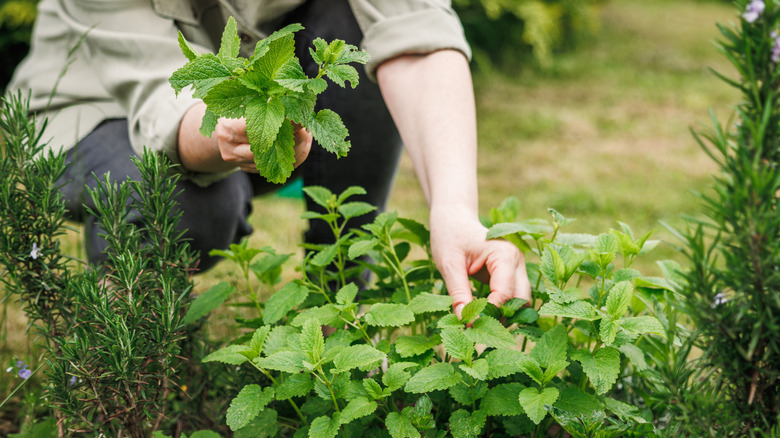
In general, it's not difficult to grow and care for lemon balm. The plant is hardy in USDA zones 3 to 7; if you live in this range, it will reliably return to your garden each spring. Set it in a spot where it will get full sun or part shade. It can grow in most soil types and prefers acid or neutral pH. The key issue that might prevent the plant from returning in future years is overly wet soil that doesn't drain well. Boggy conditions can cause leaf diseases such as powdery mildew or leaf blight.
To make sure these perennials get plenty of air circulation, which is essential for disease prevention, plant seedlings about 2 feet apart in the spring. Pay attention to the moisture level of the surrounding soil to get these herbs off to a good start. Aim for consistently moist soil, rather than dirt that is so damp that it forms a clump when you squeeze it. To harvest, wait for the plants to bloom and cut an inch or two off the top; don't over-harvest young plants during their first growing season. Once they're mature, a more aggressive harvest after flowering will reward you with vibrant new growth.
To keep your lemon balm growing practically forever, it's important to divide it every few years. If you're not propagating lemon balm through division, this perennial plant may not last much longer than three to four summers. Dig up a clump of the plant and use a sharp spade to divide the roots into two or more plants. Then, re-establish them throughout the garden and enjoy them for years to come.