

The Perennial Grass With Gorgeous Feathery Foliage That Tolerates Infertile Soil
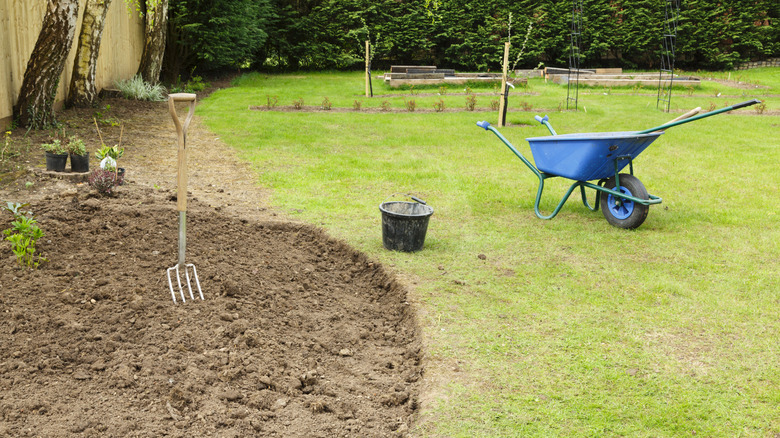
If you're currently staring at an unsightly, infertile patch of ground somewhere on your property, it may be hard to picture that grim site transformed into a graceful oasis. Yet that's exactly what splitbeard bluestem (Anatherum ternarium) can do for your property. It's a native ornamental grass you should consider for your yard because it's visually mesmerizing all year long — from the plant's silvery-blue summer leaves to its bronze fall foliage and feathery white beard-like seed heads in winter.
Splitbeard bluestem's preferred range is USDA Hardiness Zones 6 to 10. If you're in Zone 5, this perennial grass may survive if it's protected from harsh winter weather. It's also sometimes called silver bluestem, a common name that perfectly captures its silver-blue foliage and inflorescences. This native grass, which looks striking planted in a group or a mixed border, has an upright, narrow silhouette — it will grow taller than it is wide. Splitbeard bluestem can reach heights of 4 feet, with a spread of 1 to 2 feet.
Best of all, you won't need to do anything special, such as fertilize or cultivate your infertile soil, to keep this low-maintenance perennial happy. Establish splitbeard bluestem grass in the sunny patches of your yard. Beyond its preference for full sun, splitbeard bluestem is an ornamental grass that thrives even with little water. This drought-tolerant plant can handle a variety of soils, especially sandy, rocky, and infertile ones. Avoid overly rich or wet soils, which can cause your grass to flop, wilt, or even die.
Grow splitbeard bluestem as a specimen plant or in a group
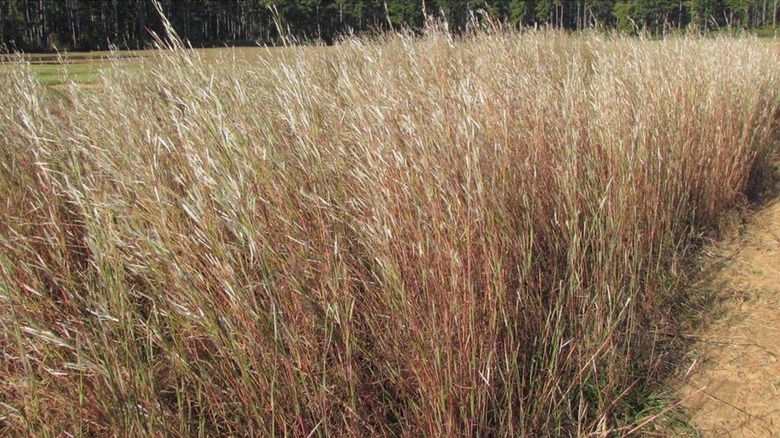
If you're growing the grass as a specimen plant with medium to tall perennials or small shrubs, give it a few feet of space to accommodate its 2-foot spread. When establishing a group, plant the seedlings 1 to 3 feet apart. A staggered row, rather than a rigid line, looks more natural. Like many native grasses, splitbeard bluestem isn't prone to plant diseases and is rarely troubled by insect pests.
In late summer to fall, the silvery-blue hues of the grasses begin turning copper, bronze, and red, and the plant sends up tall flower stems. Come late fall or winter, each white seed head splits in two, revealing the wispy hairs that give this ornamental grass its characteristic feathery look. You'll reap months of interest if you leave splitbeard bluestem standing during the colder months.
Aside from the visual splendor, you'll be doing the local wildlife a kindness if you leave splitbeard bluestem unpruned. The plant provides cover for wildlife year-round. In addition, butterflies visit the grass to lay eggs and feed on the blooms. It's a unique type of grass to plant in your yard that birds can't resist the seeds of — and neither can small mammals. In early spring, however, giving the grasses their annual haircut encourages new season growth.