

Ditch Boring Pavers: Beautify Your Driveway With This Colorful Edging Alternative
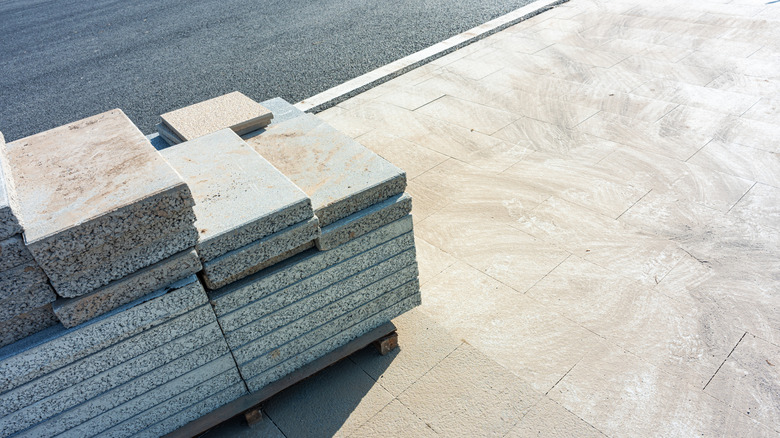
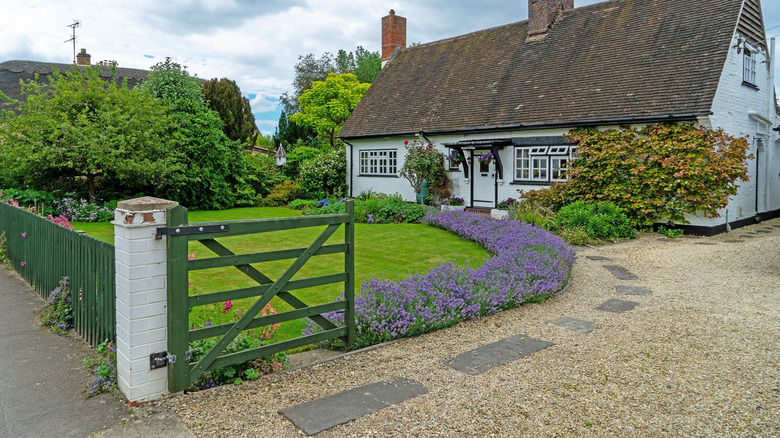
Looking for a way to make your home stand out a little more in your neighborhood? Well, if you'd really like the front of your property to look visually attractive and interesting, then you may want to ditch the idea of lining your driveway with plain, boring pavers. Instead, why not go for a much more organic, lively option such as lavender borders? This inspiring driveway entrance idea is a good choice for a variety of reasons.
First, practicality. Lavender is a low-maintenance plant that, once established, doesn't need much watering or fertilization. Secondly, lavender — in particular English lavender, known by the scientific name Lavandula angustifolia — has a delightful, aromatic smell. It is hard to deny just how nice it can be to get home after a long day and be greeted with an enchanting smell on either side of your driveway. If you're hoping for something a bit more eye-catching and enduring, French lavender (Lavendula dentata), is a great choice for borders such as those along driveways because of its moderate size and impressive, long-lasting blooms. There are also plenty of brilliant ways you can use lavender from your yard around the house, meaning your new driveway edging will not only smell lovely and look delightful, it can also be useful for a variety of other projects around your home. If you're interested in the idea of ditching boring pavers for this beautiful alternative, it can be helpful to learn how to make sure your lavender thrives in this type of border setting. So, let's have a look at some key tips for beautifying your driveway with lavender.
How to grow lavender along a driveway
While there are multiple different varieties of lavender, it generally grows well in Hardiness Zones 8-11. When planting alongside your driveway, you may want to first check the acidity of the soil in that area because lavender needs a pH level of around 6 or above in order to thrive. These flowers bloom from summer to early autumn, so it is best to plant them in early spring to give them time to get established before the blooming season. When you do plant them, make sure to leave a few feet of space in between each plant. This is because good air flow helps them to grow well without getting too soggy. It also helps to allow each one to spread out naturally, considering these plants can grow to about 3 feet wide.
Lavender grows best in full sun, so this border alternative is best for driveways that get plenty of sun throughout the day. These plants can be fertilized occasionally, though keep in mind that fertilizing them too often can cause them to become leggy, affecting the overall look of your living borders. To customize the look of your lavender, you can either leave them to grow naturally or trim them into interesting shapes. You can also add a thin layer of mulch over the soil surrounding them. However, make sure not to add too much mulch as this can cause the roots underneath to rot. Finally, if you love the idea of using lavender as a driveway edging option but want beds bursting with color, you could consider planting them alongside another plant with similar growing preferences, such as cosmos (Cosmos bipinnatus).