

What's The Average Lifespan Of A Concrete Patio?
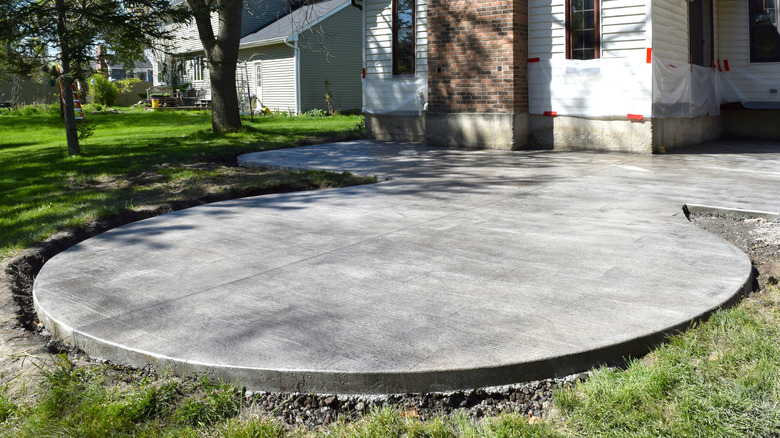
There's no shortage of outdoor patio ideas that can revamp your space and turn your backyard into a peaceful oasis. If you're thinking about building a patio this year, you're probably considering which material is the best fit for the job. Concrete has long been considered one of the most durable patio materials. In fact, a well-built concrete patio has an average lifespan of between 25 and 50 years with proper care and maintenance.
One big decision you'll need to make that can influence your patio's lifespan is whether you want poured concrete or patio pavers. Poured concrete is typically the cheaper option and results in a single slab of concrete. If you're hesitant about the aesthetics of a concrete slab, there are a number of beautiful stamped concrete patio ideas that can provide visually appealing patterns or textures. The downside to poured concrete is that it is prone to cracking over time, so you'll need to seal it every couple years if you want the patio to last its longest.
Another popular option is concrete pavers, which are manufactured using high-strength concrete and designed to handle more weight and pressure than a slab. Pavers provide more design options and tend to last longer than a slab, with an expected lifespan closer to 50 years (compared to poured concrete's lifespan of 20 to 40 years). The downsides to concrete pavers are that they're usually more expensive and they can suffer from heaving or settling, which can make the surface uneven.
Factors that impact how long your concrete patio lasts
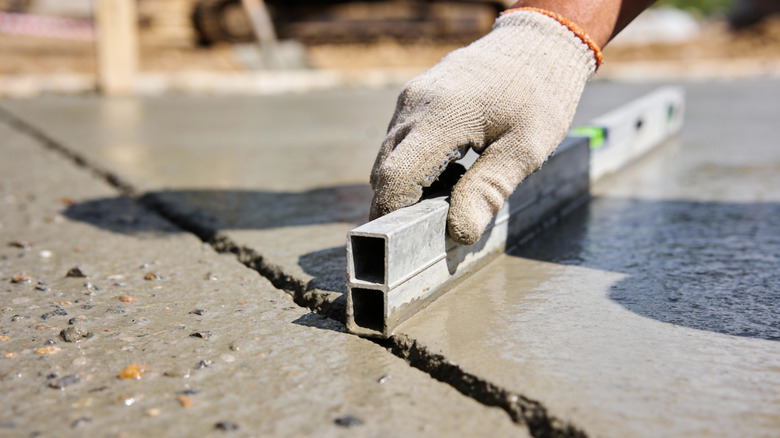
Beyond the decision of whether to pour a concrete slab or go with concrete pavers, there are several other factors that determine a patio's lifespan. Unsurprisingly, getting a high-quality, professional installation can make a huge difference. Professional concrete installation companies will ensure the foundation is laid properly, the concrete mix has the right proportions, and can help you choose the best concrete patio finish for your backyard.
Your environment can also play a role in how long your patio lasts. Harsh climates with extreme heat or excessive rainfall can cause the concrete to deteriorate faster, leading to cracks and surface damage. If you live in an area that experiences frequent freeze-thaw cycles, your patio may need maintenance or repairs sooner than a patio installed in a milder climate. And while you should feel free to use your patio to your heart's content, keep in mind that regular foot traffic and moving furniture around can shorten your patio's lifespan.
Tips to extend your concrete patio's lifespan
Concrete patios tend to be extremely durable and, with proper care and maintenance, you can enjoy your patio for decades without needing to replace it. However, concrete can crack or chip, so there's a good chance you'll need to repair it at some point before it reaches the 50-year mark. Thankfully, routine maintenance and inspections can help to extend your patio's lifespan.
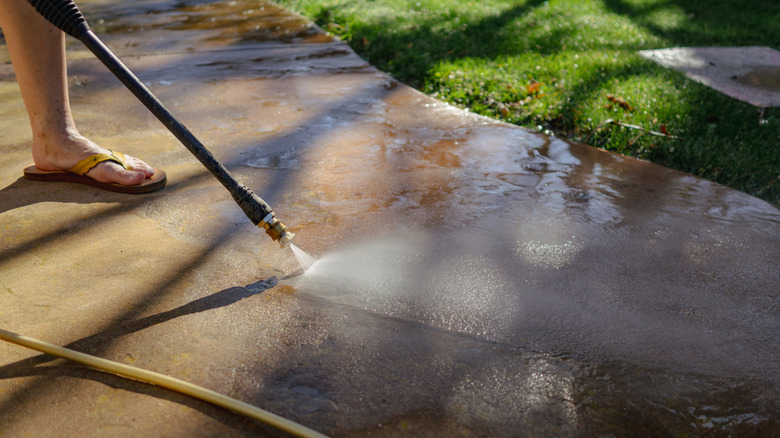
There are several easy ways to clean concrete to help you keep your patio clear of debris, dirt, and other materials. Regular cleaning ensures the concrete doesn't become stained and its structural integrity stays uncompromised. If your patio gets stained by oil or grease, you may need a special cleaner to get the stain out. You should also plan to seal your patio every two or three years to protect the concrete from water damage, UV damage, and general wear-and-tear. You can seal the concrete yourself or call a professional to do it for you.
If you have heavy patio furniture, you can place protective pads under the legs so they don't leave behind scratches or cracks. Avoid dragging or scooting furniture across the concrete. Also, routine visual inspections of the concrete can help you identify any new cracks or chips. If you notice any imperfections or issues, you can try one of the many concrete repair products on the market or call a professional for a repair.