

15 Best Vegetables You Should Be Planting In June
We may receive a commission on purchases made from links.
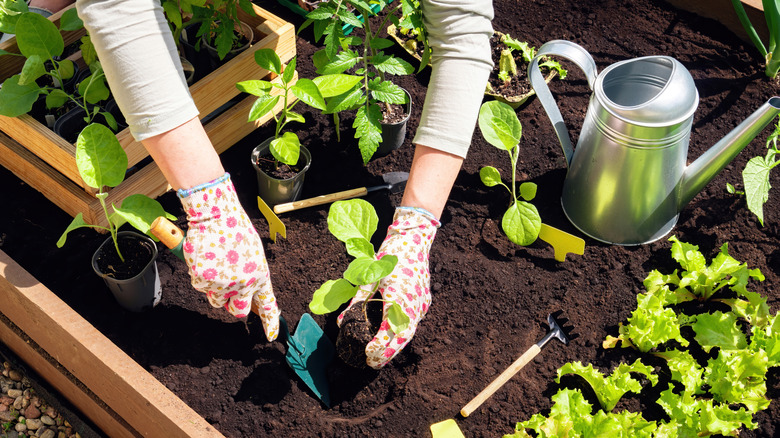
Many people think that June is too late to start a vegetable garden. And if you are one of them, think again! June is actually a really good time to plant many vegetables, especially those that enjoy warm soil and long sunny summer days. Some good examples include cucumbers, peppers, tomatoes, pumpkins, sweet potatoes, and cantaloupes. However, just choosing the heat-loving vegetables is not enough. You also need to make sure that you give your veggies the right care. For instance, keeping the soil consistently moist is very important during this time. Heat and long sunny days make the water evaporate really quickly, which can leave your vegetables sitting dry, reducing both their quality and quantity.
A quick solution to this issue is to automate your plant watering by installing an individual drip irrigation system. Plus, you can add mulch or some shade over your vegetable beds to reduce water loss. It is also important to note here that in some regions the last frost date can fall as late as June, so make sure you keep the local weather conditions in mind before you sow the seeds or transplant your vegetables. Also, if you are working with transplants rather than seeds, make sure they have been completely hardened off before putting them in the ground.
Cucumber
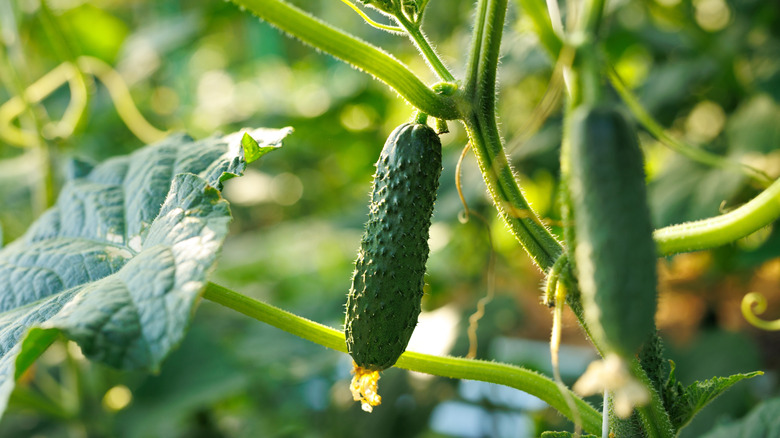
A longtime favorite among home gardeners, cucumbers are a warm season crop that is perfect for growing in summer months. For best results, it should be planted in the garden when the soil temperatures are consistently around 75 to 80 degrees Fahrenheit. You can grow it both from seeds and transplants. Just make sure that if you are planting them from seeds, sow the seeds about an inch deep into the soil. Give the plants plenty of space to sprawl if you are growing vining cucumbers, or train them up a trellis or fence.
Beets
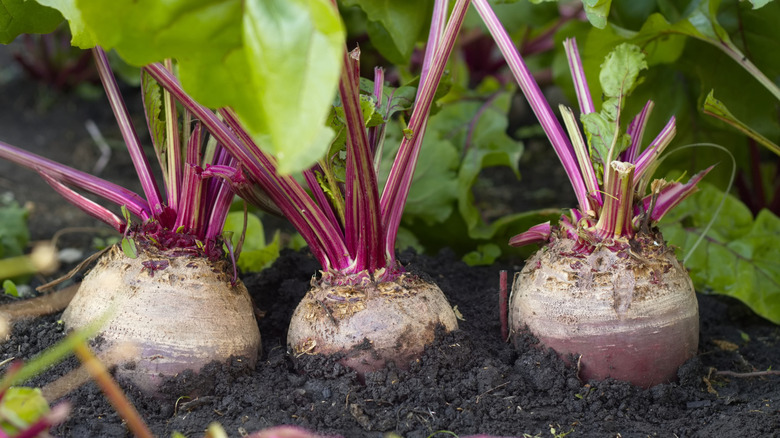
Unlike cucumbers, beets can be grown in partial shade during summer as long as you live in cooler regions. They are a great pick if you are looking for vegetables that will thrive in shady areas of your garden. Just be sure that when you're growing beets, you use good-quality seed. Poor germination is a big problem when growing beets. Space the seeds at least 4 inches apart to help prevent overcrowding, ensuring the roots develop properly. Keep an eye out for pests like aphids, cutworms, and wireworms and harvest when they reach maturity.
Peppers
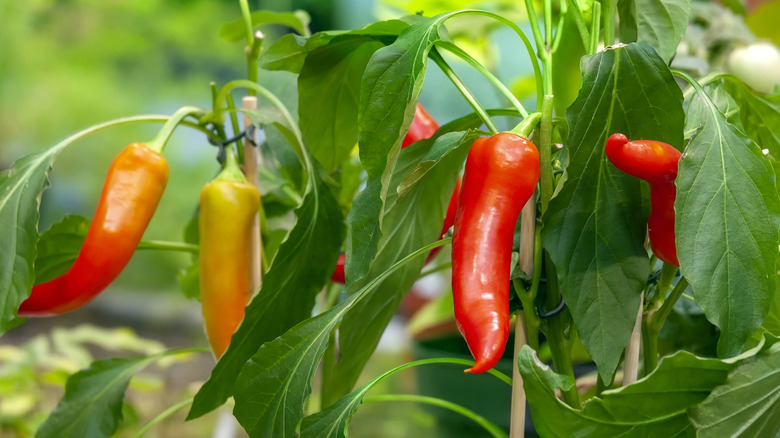
Peppers are one of the most popular vegetables in home gardens across the United States. And the good thing about peppers is that they come in many colors, sizes, and tastes. From bell peppers to chili peppers, the list just goes on. They all, however, are warm-season veggies and require high temperatures to develop properly. You can grow them both from seeds and transplants, and they take around 70 to 120 days to become ready to harvest, depending on the variety. As for soil, keep it moist and well-drained, and harvest periodically as they mature.
Carrots
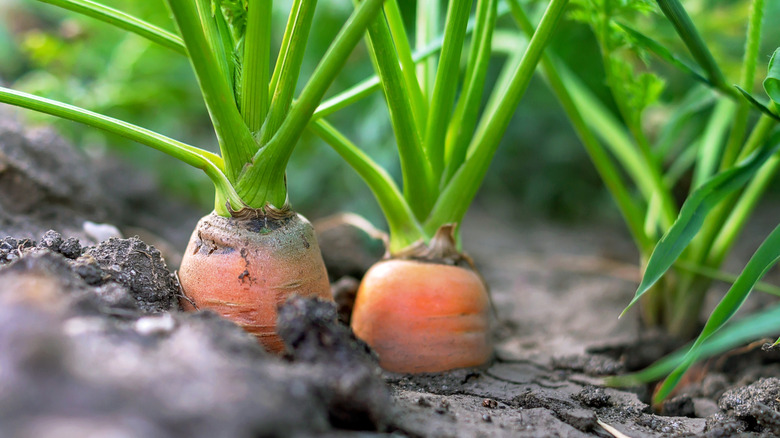
Crunchy veggies like carrots make the perfect snack for eating on the go and they can also be planted in northern regions in June. Just keep in mind, they do not like too much heat and will need to be protected if the temperatures increase too much. Don't worry, though! There are many ways you can protect your plants in a heatwave. Plant carrot seeds in deep, loose soil. If the soil is hard or shallow, they will not grow properly. Thin carrot seedlings 3 inches apart as they grow and beware of carrot fly.
Tomatoes
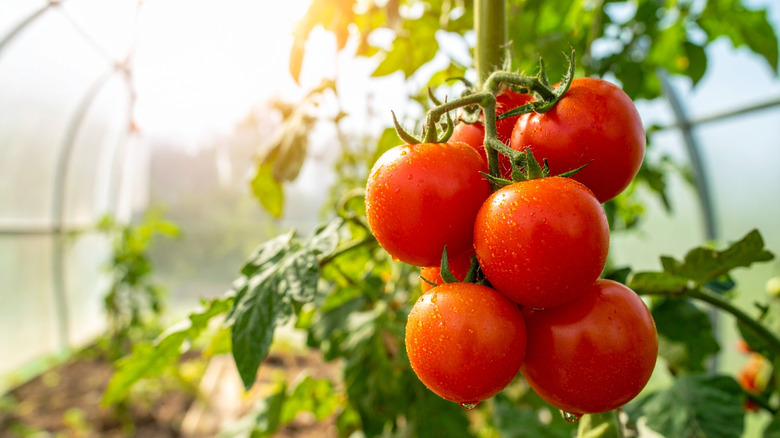
If you are looking for an easy-to-grow vegetable to plant in your summer garden, tomatoes are a good choice. They love heat and thrive when grown in full sun and long summer days. Just keep in mind that you need to grow them in slightly acidic soil with a pH of around 6.2 to 6.8. There are many home-based soil testing kits, like the Aenncci 2-in-1 soil test kit, that you can use to measure the pH of your soil. Once the pH is set, sow the seeds about ¼ inch deep into the soil and keep the soil consistently moist.
Okra
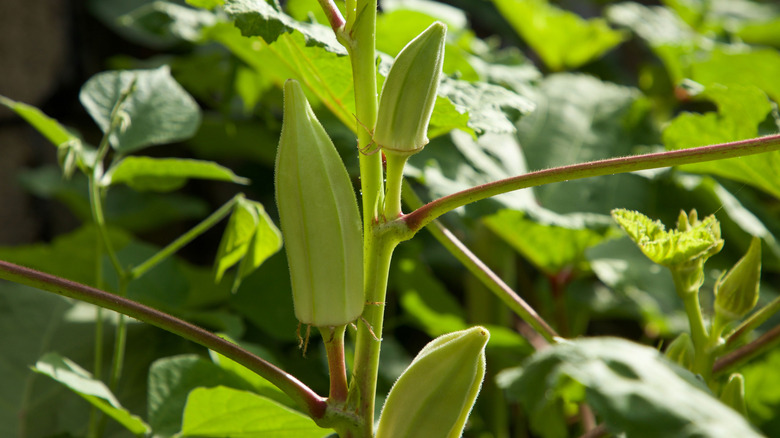
Okra is also an easy-to-grow vegetable and another warm-season crop on the list. The only tricky part is sowing their seed. Their seeds have hard seed coats, and they benefit from being scratched with sandpaper and soaked in water for about a day before sowing. Make sure that you sow them at least 10 days after the last frost in your region. They do not germinate in cool soil. If you want, however, you can also grow them from transplants. Given the right conditions, okra will be ready to harvest in about 40 to 90 days.
Broccoli
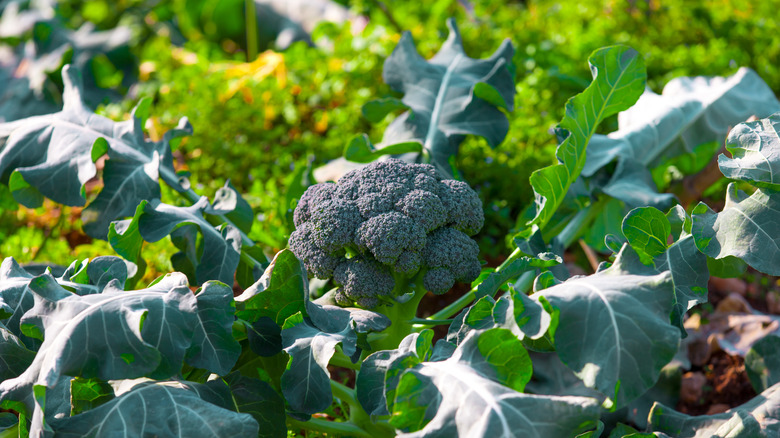
Even though broccoli is a cool-season vegetable, you can still plant it in early June if you live in a northern region. It is capable of handling temperatures up to 80 degrees Fahrenheit without a noticeable drop in quality. You just need to make sure you plant broccoli in fertile, moist, and well-drained soil, and keep the pH between 6 and 6.5. Choose a spot that gets about 6 hours of sun daily to grow your broccoli plants. Broccoli does not grow too quickly, but given the right conditions, it can be ready to harvest anywhere from 50 to 70 days.
Pumpkin
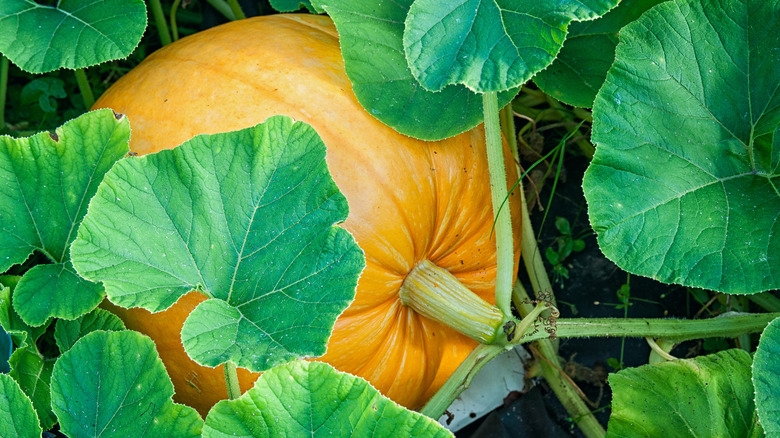
Nothing gets you excited for Halloween like ripe, yellow and golden pumpkins growing in a garden. Just keep in mind that pumpkins can take nearly 100 days to ripen, so make sure you plant them as early in June as possible. Pumpkins prefer slightly acidic soil with a pH of about 6 to 6.5, and you can add compost to the soil to boost its fertility. Pumpkins are heavy feeders. So, you will need to fertilize them consistently, too. Other than that, though, they are pretty easy to grow as long as they get enough moisture and sun.
Eggplant
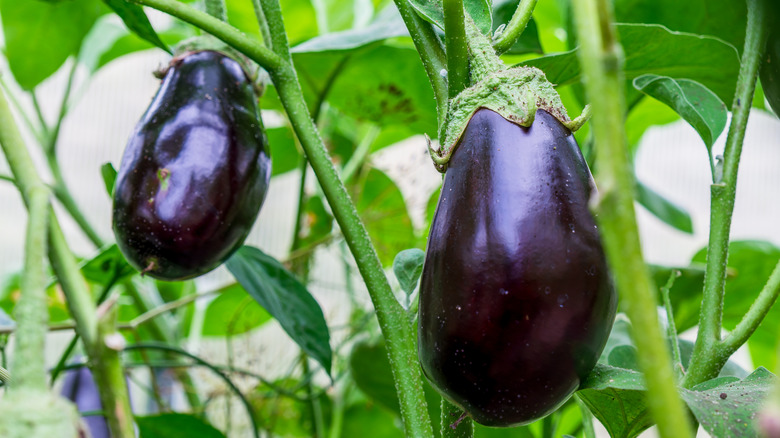
Next on the list, we have eggplants which can also be planted in June, but they are very cold-sensitive. So, make sure that the temperatures are consistently between 75 and 85 degrees Fahrenheit before you plant them and avoid using high nitrogen fertilizers as they can inhibit fruit production. Once sown, eggplant seeds take about 10 to 14 days to germinate, and after that, they are ready to harvest in about 100 days. If you have limited space, there are many compact eggplant varieties that are easy to grow in containers, too.
Sweet potatoes
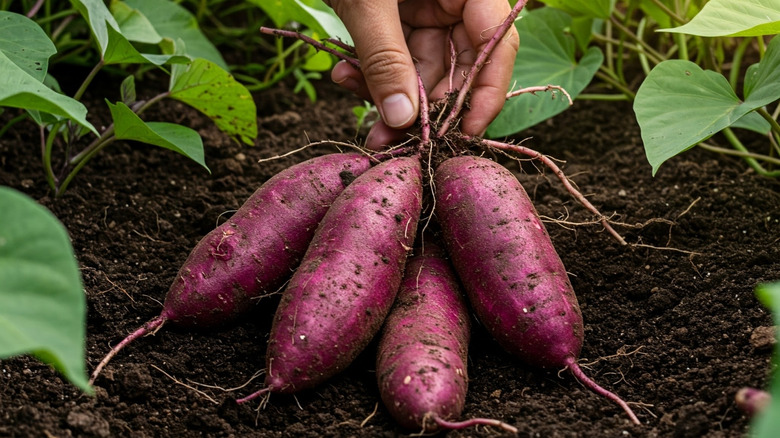
Sweet potato is a tasty crop that is high in vitamins and many other nutrients. You can grow it from seed stock or slips, and it takes about 85 to 120 days to become ready for harvest. Plant this heat-loving veggie in full sun and fertile soil that is rich in organic matter. If you grow it in nutrient-poor soil, it won't be as productive. It is also important to note that when growing sweet potatoes for a garden harvest, avoid ornamental cultivars. They are primarily grown for foliage, and they seldom produce edible roots.
Collards
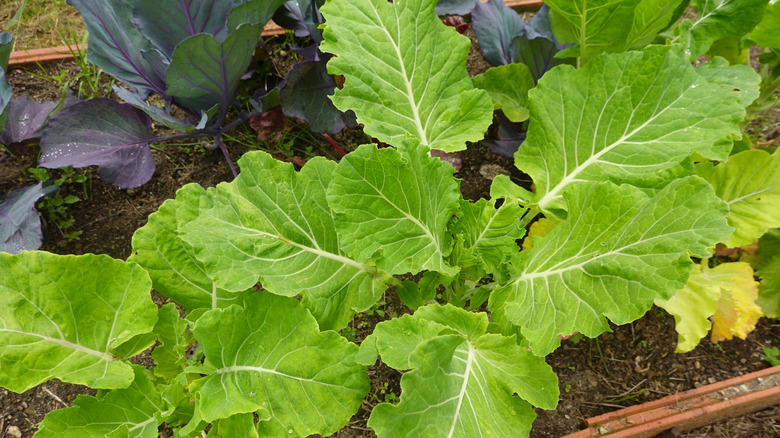
Collards are another cool-season vegetable that can be planted in June in northern areas. They need full sun and, when planted from seed, take about 70 to 90 days to reach a ready-to-harvest stage. You can also grow them from transplants which can be harvested in just about 50 to 70 days. No matter how you grow them, plant them in well-drained, fertile, and pH-neutral soil. Keep the soil moist, especially when it gets hot. If they get too hot or don't get much water, collards become bitter.
Summer squash
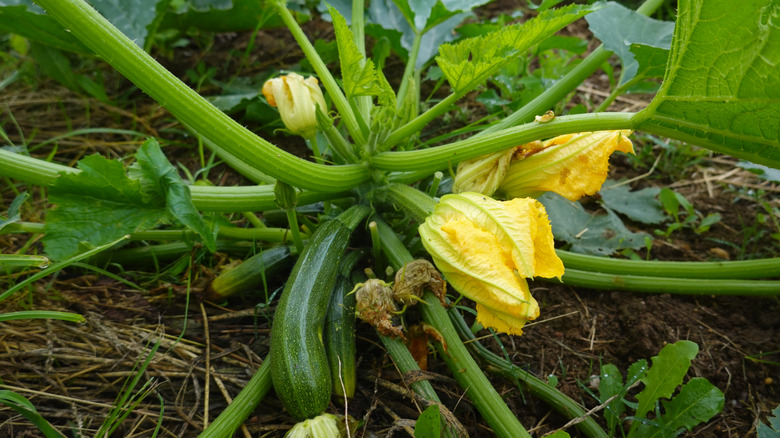
Looking for a vegetable that is easy to grow and productive throughout the summer? Then, summer squash should definitely be on your list. It takes about 50 to 60 days to reach maturity and should be planted when all the danger of frost has passed. Summer squash needs full sun and prefers about 8 to 10 hours of sunlight daily. It is susceptible to cucumber beetles, squash bugs, and squash vine borers, so keep an eye out!
Cantaloupes
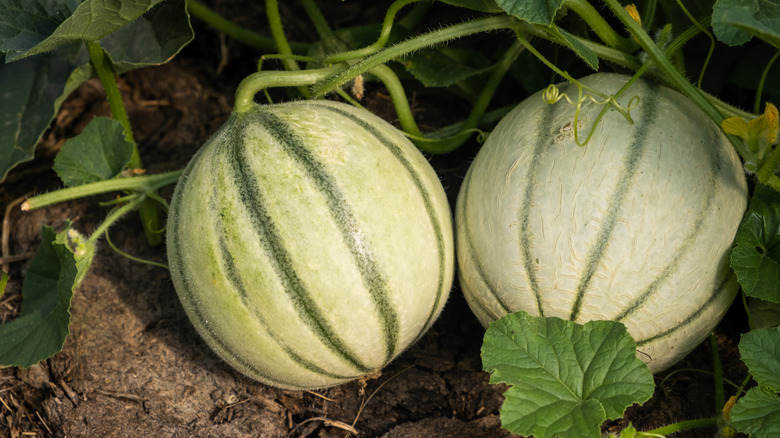
Just like eggplants and pumpkin, cantaloupe can also take about 80 to 100 days to mature, so make sure you plant early in June. It can grow in a range of soil types, but the soil needs to be moist and well-drained with a pH between 6 and 6.5. If the pH is lower than that, your cantaloupe plants will grow weak, and they won't be able to bear fruit properly. When harvesting, see if the stem separates naturally from the fruit. If it takes force, chances are it is not ripe.
Southern Peas
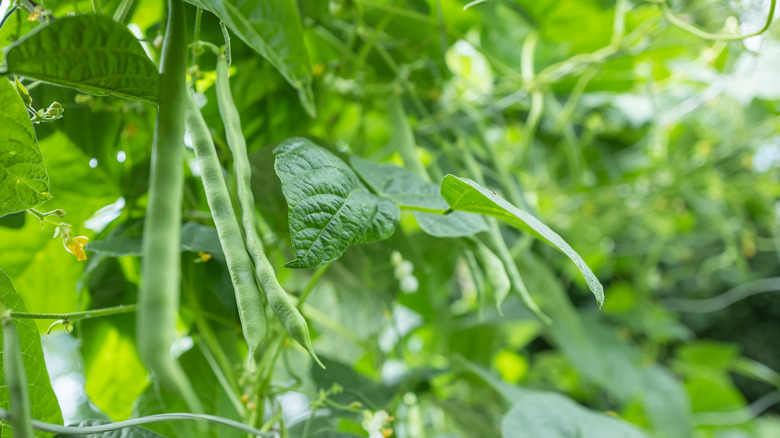
Southern peas or cowpeas can also be grown in June. They are one of those plants that enrich garden soil naturally. The reason is that they are leguminous plants. And like all leguminous plants, they can add nitrogen into the soil, increasing its fertility. Even better? They are very nutritious. Plant them in slightly acidic soil. If the soil pH is too high, southern peas become iron-deficient, which decreases both their growth and productivity. They also need full sun for the best harvest. Pick the pods as they ripen.
Soybean
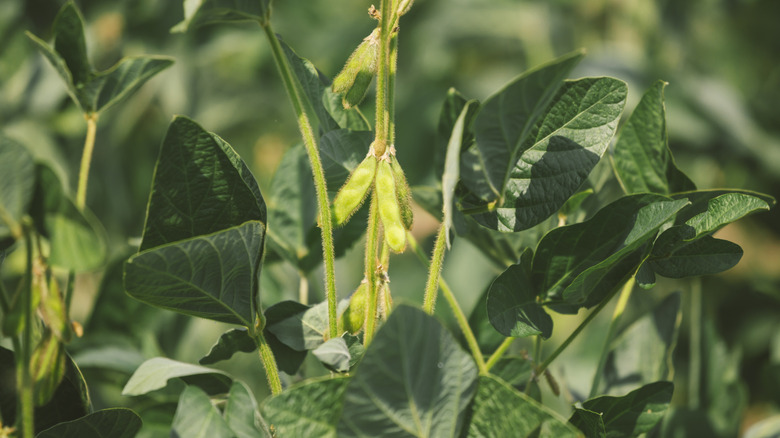
Last on the list, we have edamame or soybean. It is a very easy-to-grow vegetable in home gardens, and it produces high yields. Even better? Harvesting edamame is fairly simple since the pods tend to mature together instead of ripening one by one. Soybeans grow very easily in most garden soil, but avoid soils that are overly rich in nitrogen. Nitrogen-rich soils make the plants too soft and leafy, which makes them hard to manage, so do a soil test before planting. Keep the plants well-watered when they are flowering and fruiting.