

The Centuries-Old Rose Type That Fills Your Yard With A Sweet Scent
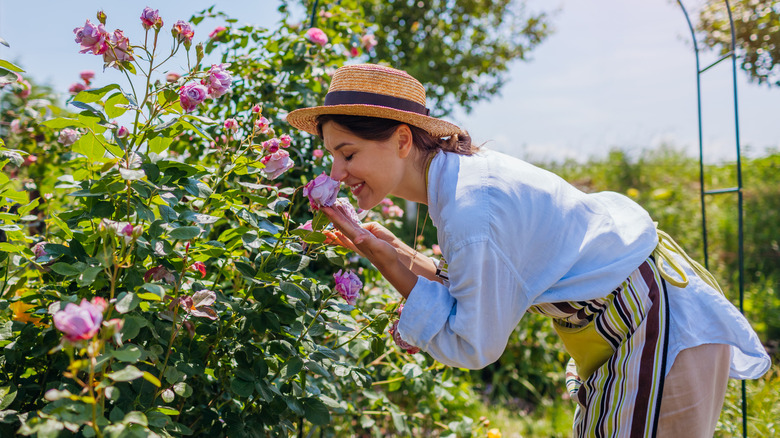
I'm one of those people who feels like a garden isn't complete without roses. In my work as a professional gardener, I've grown and tended many varieties of roses, from miniatures to climbing to shrubs. I've always loved fragrant roses, especially antique and heirloom varieties. Growing fragrant antique roses, known by rose enthusiasts as Old Garden roses, is a wonderful way to fill your garden with beautiful, sweetly-scented flowers.
According to the American Rose Society, an Old Garden rose is a special category of fragrant roses that were grown prior to 1867, when the first modern hybrid tea rose was introduced. If you haven't gone down the heirloom roses rabbit hole on the internet, be prepared for a wild ride. Rose enthusiasts (also called rosarians) are passionate hobbyists, and some have mastered every aspect of growing roses and studied the history of roses intently. Perhaps this passion is partly due to the well-known difficulty of growing roses in the garden. Roses can be finicky about growing conditions and are vulnerable to diseases and pests (including Japanese beetles). Modern roses have been bred to be more pest and disease-resistant, which has encouraged more gardeners to embrace growing roses.
But heirloom rose fans prize the history of Old Garden roses, introduced more than 150 years ago. These rose varieties have adorned the grounds of castles, mansions, public parks, and humble gardens since the before the Victorian era. English roses are an especially well-loved category, known for their layered petals and rich fragrance, and have inspired American rose breeders to create similar varieties. Let's explore some of these historical varieties that you can grow in your own garden.
Exploring antique roses
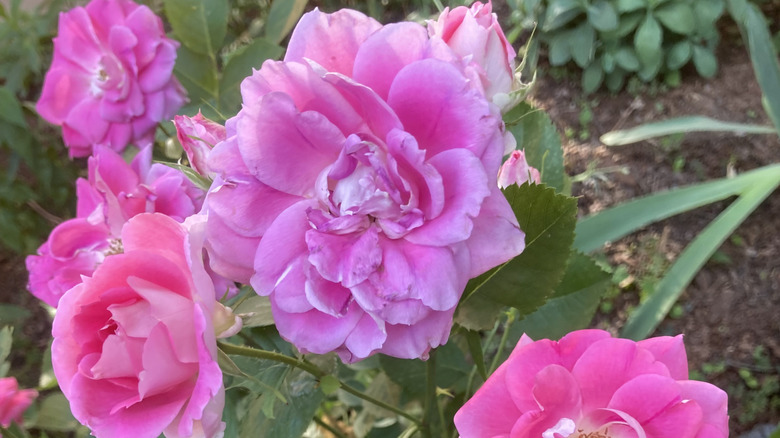
The range of colors and forms of heirloom roses is enormous, and most (though not all) varieties are fragrant. There are five unique categories of Old Garden roses: Gallica, Damask, Alba, Centifolia, and Moss roses. Other antique categories include Bourbon roses (an accidental hybrid of damask and China roses) and Noisette roses. My personal favorite heirloom rose I've grown for years is the Bourbon rose 'Zephirine Drouhin,' a stunning climbing rose variety with sweetly fragrant deep pink flowers in June that sometimes reblooms in September. Introduced in 1868, it just barely counts as an Old Garden rose! Hardy in USDA Zones 5 through 9, it does great in my Zone 5a garden, and blooms in partial sun.
When you buy an heirloom rose bush, the specific categories may or may not be present on the label, so if antique roses intrigue you enough to learn more, there are many wonderful books on the subject (including "The Makers of Heavenly Roses" by Jack L. Harkness, and "The Quest For The Rose" by Roger Phillips and Martin Rix), as well as a proliferation of websites. Books on roses can be great in-depth resources for exploring different varieties.
Some vendor sites like Edmunds' Roses sell a variety of roses, including antiques and modern cultivars. David Austin Roses are English roses specially bred to cross Old Garden roses with modern roses to create a range of desirable characteristics, like fragrance, delicate petals, disease resistance, and a wider color range. The Heirloom Roses site has quite a few Old Garden Roses for sale for those seeking a true heirloom.
Caring for antique roses
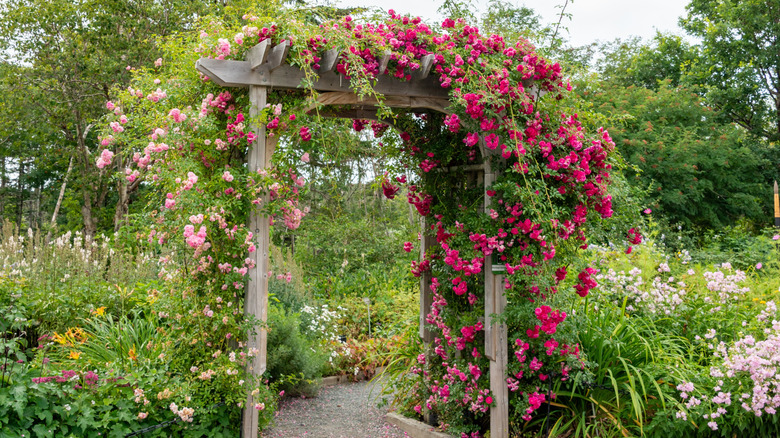
Many antique rose varieties were originally grown in England or on the Mediterranean coasts of France and Italy, flourishing in temperate climates. If you live where it gets very cold in winter or very hot in summer, it's important before selecting an heirloom rose to make sure its growing zone is compatible with your location. Planting your rose where it gets morning sun instead of afternoon sun can help avoid sun scorching of delicate petals in hot summers. Pine straw mulch in winter can help protect roots from frost damage.
Because antique roses do tend to be more vulnerable to pests and diseases, be sure to research techniques for dealing with potential problems (such as using milky spore to deter Japanese beetles). Prune your roses to remove diseased or damaged canes in spring and fall. Antique rose sellers often provide detailed descriptions to help gardeners know what to expect, and the American Rose Society forum has plenty of useful information.
Once you know what color, size, and form (shrub or climber) you want, the hardest part will be choosing what to get from the abundance of varieties available. 'Tuscany Superb' is a fragrant Gallica rose with huge crimson-purple blooms, hardy in Zones 4 through 9. For a warmer climate, a Noisette rose like 'Lamarque' may be suitable: this fragrant climber has creamy white double petals and is hardy in Zones 7 through 11. 'Belle Amour' has exceptionally fragrant double flowers of pale pink, thrives in Zones 5 through 10, and needs at least six hours of sun. 'Red Moss' is a super fragrant rose with clusters of rich velvety red petals, hardy in Zones 4 through 9.