

The '60s Garden Trend That's Making A Major Comeback
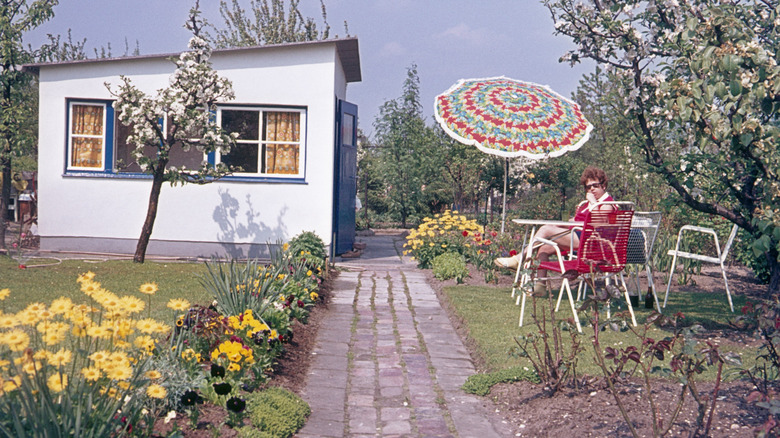
Yesteryear's fads can seem a little dumb — think shoulder pads and Beanie Babies. They can also be classy and timeless. Rock gardens, or rockeries, are the latter, not only because they're attractive, but also because they're practical. Rock gardens regained popularity in the 1960s after a 40-year lull. There was a frenzy for rockeries in the 1920s — itself a resurgence of the trend from times past. Now, the craze has entered the 21st century due, at least in part, to our increasing need for low-maintenance landscaping. With much of North America deep in drought, the time is ripe for xeriscaping.
In 2026, leading landscapers and garden trend forecasters are publishing blogs on rock gardens. Green-thumbed influencers are producing video after video extolling the virtues of the format across TikTok, Instagram, and YouTube. Seasonal interest is one reason for the popularity. "Traditional flower beds look dead in January, but rock gardens have more permanent bones," said Gerardo Loayza, landscape designer and founder of Bacqyard, to Livingetc. Likewise, "building the garden framework and choosing the plants allows for much creativity," said Irvin Etienne, gardening expert and Horticultural Display Coordinator at Newfields, to The Spruce.
Easy tips for designing a rock garden range from using it as a simple repository for a stone collection to creating a living sensory zone for kids. Maybe the biggest appeal of rockeries is their low maintenance and water requirements. "At a time when conserving water has never been more urgent or responsible, rock gardens are a phenomenal way to achieve a high-impact look while saving this important resource," said the creator of popular Instagram profile learntogrow, Misilla dela Llana, to Homes & Gardens. With stones and hardy plants in the spotlight, rockeries naturally require less upkeep than traditional gardens.
How to create a rockery in your own backyard
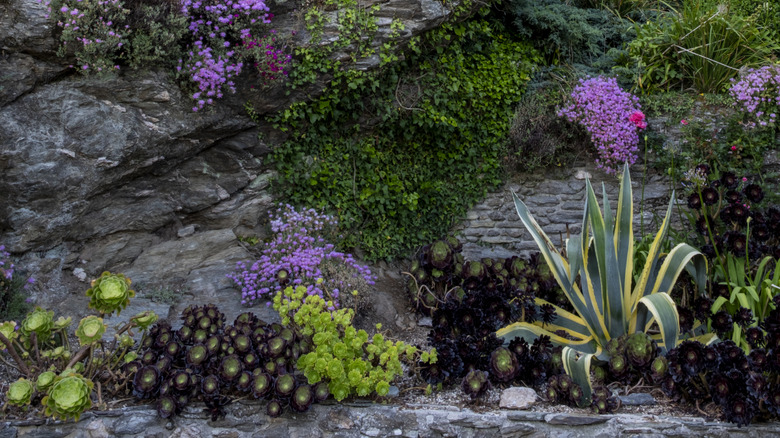
Today's gardeners are quick to take advantage of both the function and aesthetics of rock gardens. Rockeries span simple stone mulch gardens to full-blown creek beds. Wondering what a Zen garden is and what makes them different? They're essentially a kind of meditative rock garden. There is a near-endless array of gravel garden ideas to transform your outdoor space. Even a literal pile of rocks with soil and plants tucked between them can look intentional, as Instagrammer petals.in.progress demonstrated with her basic fence-side rockery. It's almost impossible to go wrong when designing your own rock garden — as long as you take your needs and tastes into consideration.
Do you collect rocks for the memories or to appreciate them as geological specimens? There's a good chance they're gathering dust in your garage instead of showing off their natural beauty somewhere public. If they're not too fragile, give them the attention they deserve in a rockery. For example, TikTokers justmandyj and jenafoo82 shared how they incorporate heart-shaped rocks into their rock gardens. Check the regulations of any given area before going rockhounding.
For gardeners in dry regions, rockeries have special appeal. If you replace that always-brown patch of lawn or struggling flower bed with a rock garden, you'll save water, time, and money. TikToker manvsdiy embraced their desert surroundings and replaced their lawn with a stone and gravel garden full of native cacti. Even if you don't live in a particularly arid area, the plants that thrive in rockeries, called xeriscape plants, are extremely hardy and beautiful — think yellow-flowering basket of gold (Aurinia saxatilis), fragrant woolly thyme (Thymus spp.), and sculptural blue fescue (Festuca glauca).