

The Sandy-Soil Flower That Attracts Butterflies All Summer & Fall Long
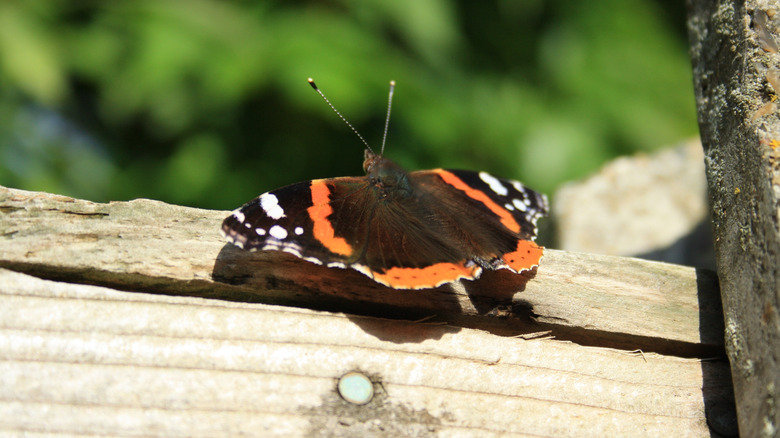
Looking for flowering plants that will thrive in sandy soil in your region? There are distinct benefits to this soil type. Many species appreciate the excellent drainage, and most plants on the list are relatively drought-tolerant. One sandy soil-loving flowering plant you'll want to add to your garden, especially if you want to attract butterflies through summer and fall, is parsnip-flower buckwheat (Eriogonum heracleoides). In fact, it's one of those plants that will fill your garden with a variety of butterflies.
This perennial forb or subshrub is also commonly known as Wyeth buckwheat. You'll find it growing wild in the western U.S., usually in places with sandy soil or gravel. It can grow 24 inches tall with proper care and features gray-green, lance-shaped leaves and compound umbels of small white or cream flowers. The flowers turn a rusty red as they age. Depending on your region, you can expect this pretty native plant to bloom from May right through summer and into fall.
The umbels of parsnip-flower buckwheat grow on erect stems and are highly attractive to butterflies, bees (including mason and nomad cuckoo bees), and a whole host of other pollinating insects. Plants with umbrella-like flower clusters are popular with beneficial predatory wasps, too. Don't forget about that striking foliage. Parsnip-flower buckwheat is a larval host for a number of native butterflies, including the blue copper and the western green hairstreak. On top of that, small mammals and birds feast on the seeds into winter.
How to grow parsnip-flower buckwheat in your sandy garden
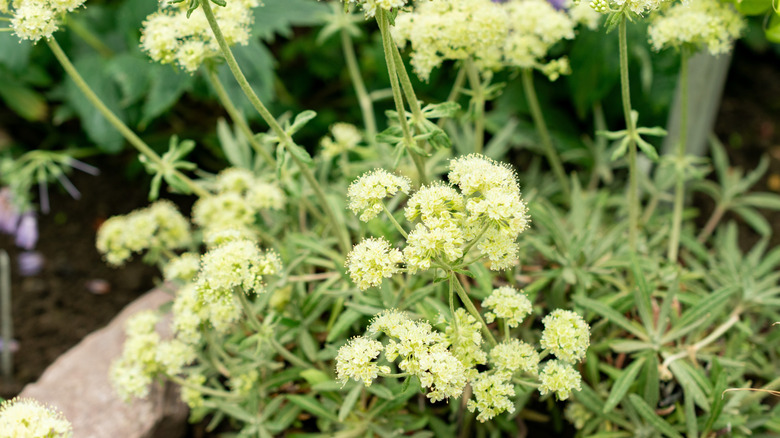
This species isn't widely available for home gardeners yet, but parsnip-flower buckwheat seeds and potted plants can be sourced through reputable specialist nurseries, local native plant societies, and even some sellers on Etsy. If you really want to get into native gardening, using these resources to get started, or enquiring with your local extension office to find sellers in your area, will ensure you're sourcing authentic plants. The USDA Plant Hardiness Zone for this wildflower is similar to other Eriogonum species — zones 4 to 9. It will form an attractive mound with little care in these areas. If it gets out of hand, simply prune away what you don't want.
When you're finally able to get your hands on some seeds or potted plants, you need to choose the planting site carefully. Parsnip-flower buckwheat likes a sunny location where the soil is sandy or rocky. It needs a well-draining spot — soggy soil puts it at risk of developing root rot. Although this native perennial thrives in poor soils, it will tolerate an organically enriched growing medium. This plant is drought-tolerant — in some places, it can survive on rainfall alone — and low-maintenance. Once it's established in your garden, it shouldn't require any extra care. Plant it in garden bed borders, along pathways, in rockeries. With its striking white-to-rust blooms, it makes a lovely addition to a rambling cottage garden.