

The Perennial Flower That Benefits Plants, Boosts Soil, And Feeds Birds
When it comes to choosing native perennials for yards, home gardeners tend to gravitate toward low-maintenance species with pretty flowers or foliage. If the plants also enrich the soil and feed local wildlife, you have the makings of must-have greenery. Illinois bundleflower (Desmanthus illinoensis) has all of these qualities. In fact, it has so many pluses that it's surprising it's not better-known. This low-maintenance perennial plant hardly needs any attention to thrive and also boasts puffy blooms and feathery foliage.
Illinois bundleflower is native to most parts of the western hemisphere and thrives in challenging conditions. It goes by various other common names, including Illinois mimosa, prairie mimosa, or the less poetic prickleweed. This striking plant does best in Zones 5 to 8, especially in garden beds with lots of sun and low moisture. Illinois bundleflower has fernlike leaves, white starburst-like flowers, and grows into an erect herbaceous forb.
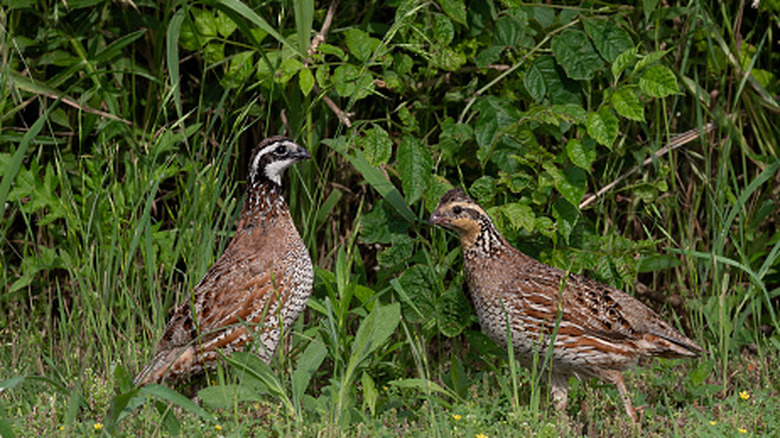
Appearances aside, the environmental value of this native perennial is substantial. Illinois bundleflower is in the Fabaceae family — it's a legume. Legumes host nitrogen-capturing bacteria in their root systems. When the plant dies, the roots release the nitrogen back into the soil. This doesn't just feed the soil and surrounding plants; it also optimizes soil structure and lowers soil pH, among other benefits. In other words, you can grow this type of plant to create healthier soil in your yard and garden. Plus, birds, rodents, and — like it or not — deer eagerly feed on the foliage and the protein-packed seeds that follow the flowers. It's particularly enjoyed by Northern bobwhites.
Growing Illinois bundleflower at home
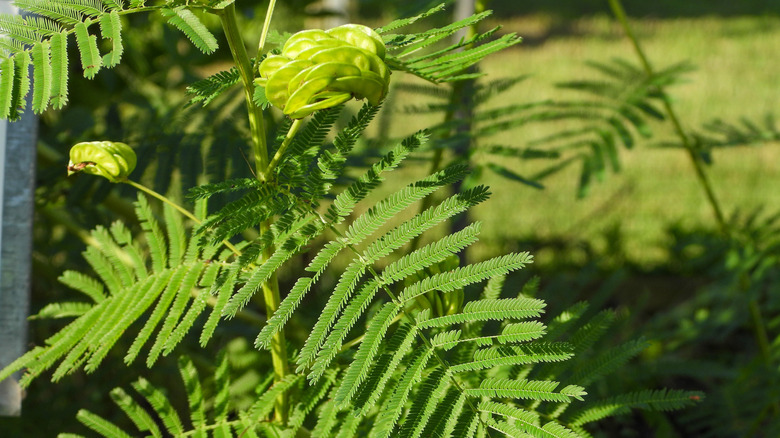
Unless you luck out at a local nursery, starting Illinois bundleflower by seed will be your best bet. Direct seed Illinois bundleflower in fall or winter — the seeds need the freeze-thaw cycle to germinate. You can scatter the seeds across your garden bed and rake them lightly into the soil. Then simply let the change of seasons do its magic. Or, if you prefer to plant Illinois bundleflower seeds in spring, sow them about ½ inch deep in heavy soil or 1 inch deep in sandy soil in a spot with full sun. Keep the soil moist during germination and early in the plant's life.
Illinois bundleflower is a low-maintenance perennial, but you need to consider its full size when selecting a planting site. In ideal conditions, the plant can grow up to 5 feet tall, but more often it halts its growth at 2, 3, or 4 feet. Established plants are drought-tolerant, but they can take up to three years to reach maturity. You need to water saplings deeply and often, and protect them from hungry deer and rabbits. The plants rarely suffer from diseases or insect infestations, but seedlings may be more susceptible to grasshoppers and leafhoppers. Illinois bundleflower will bloom from June until September and it's pollinated predominantly by butterflies. It's a host plant for Northern and Southern cloudywing skipper butterflies. As early as August, the flowers produce nutritious seeds that will support wildlife in your garden during the coldest seasons.