

Skip Hydrangeas: The Drought-Tolerant Alternative To Add To Your Yard
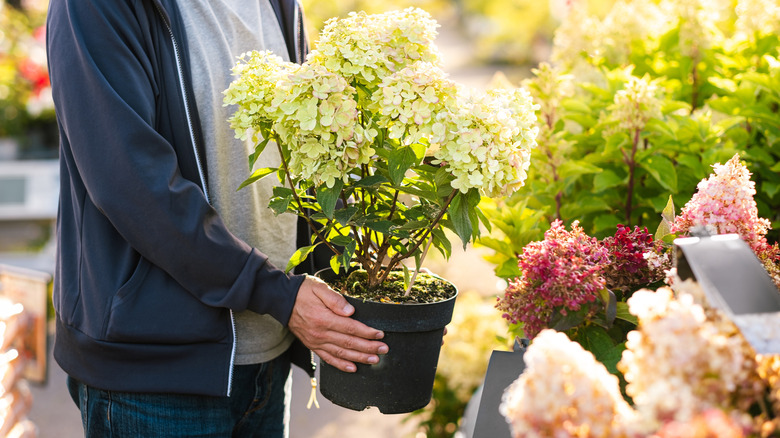
Even if you absolutely love them, hydrangeas might not be the perfect plant for your garden if you're trying to create a more water-wise yard. They are a wonderful sight when in full bloom, but hydrangeas require ample amounts of water, or they won't thrive and look their best. Therefore, you might want to save yourself the trouble of constantly worrying about whether your prized plant is getting the attention it needs and choose an equally impressive drought-tolerant alternative, known as fernbush (Chamaebatiaria millefolium). You could easily add this to your collection of other drought-resistant plants that will thrive without much water.
It might interest you to learn that this plant is the only species in its genus, which makes it even more appealing for gardeners who love to collect interesting plants. But that's not all that makes it such a fantastic alternative to hydrangeas. It's native to dry areas in the western United States, and will thrive in USDA Hardiness Zones 4 through 10. It grows as a woody shrub and can reach heights of between 3 and 7 feet, and like many hydrangeas, it has a lovely rounded shape. In colder regions, fernbush will lose its leaves in winter, but it will remain evergreen in those areas that enjoy warmer weather. Apart from appreciating the delicate fern-like foliage of this shrub, you're going to adore the terminal clusters of tiny white flowers that appear in mid-to-late summer. These are sweetly scented for an added bonus to your garden. However, unlike hydrangeas, this gorgeous plant does not mind dry soil and shouldn't need any supplementary watering once established.
How to grow fernbush in your garden
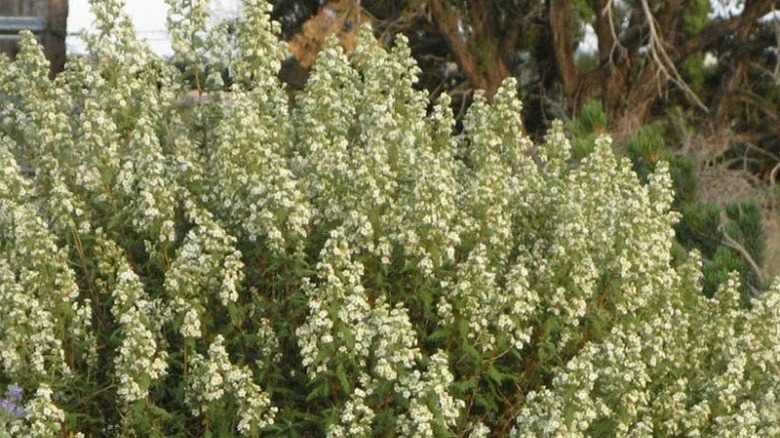
Unlike hydrangeas (which appreciate some shade), fernbush likes to grow in full sun. It's not too particular about soil and will tolerate even those that are alkaline, as long as they're well-drained. This means you can plant it alongside other low-maintenance perennial plants that don't mind these conditions, such as American agave (Agave virginica) and 'Matrona' stonecrop (Hylotelephium telephium 'Matrona'). Aim to provide your new plant enough water to keep it hydrated in the beginning so that the roots can establish themselves in the ground. While fernbush is drought-tolerant, you should also give it occasional water during extended periods of hot, dry weather to keep it looking nice and lush.
Plan to give your fernbush a prune in spring or summer to remove older branches, especially ones from the inside of the plant. This helps to increase the density of the foliage and will prevent the plant from becoming too woody. Fertilizer is not necessary, but you can apply a small amount of nitrogen fertilizer in the summer, if you wish.
Check with native plant nurseries as to the availability of this species. Once you have it growing in your yard, you'll find that the flowers attract many different pollinators, as well as the species being a host plant for the spring azure butterfly. This is one of numerous butterfly species that don't migrate, so you can enjoy them in your garden from year to year.