

Not Milkweed, Not Bee Balm: The Clove-Scented Flower That Butterflies Obsess Over
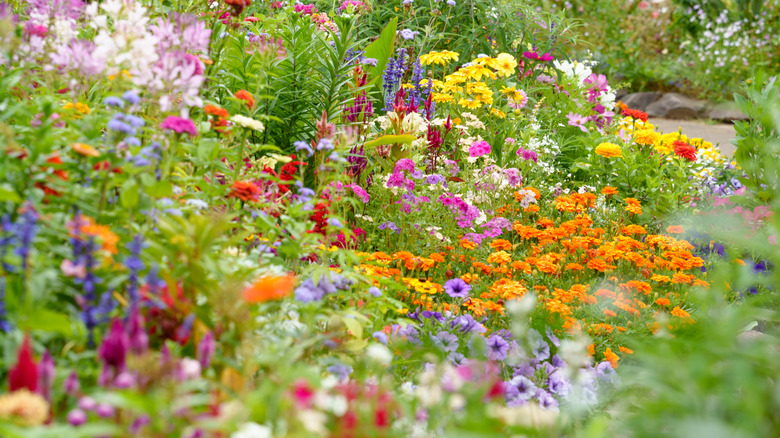
If butterflies could talk, flowering plants such as milkweed and bee balm would receive some of the highest praise. However, they aren't the only ones that would get glowing reviews. Along with varieties of butterfly bush, coneflowers, and certain herbs, the Coconut Surprise dianthus (Dianthus Hybrid 'WP05 Yves') proves to be a flower that butterflies are obsessed with — and that gardeners should be too.
Like other nectar sources, these flowers boast abundant blooms and pollinator-friendly flower shapes that encourage winged insects to relax and refuel. Think of them as the butterfly equivalent to a well-run travel plaza; the one that has multiple food chain pop-ups, clean bathrooms, and ample space to stretch your legs before you get back on the road. But what exactly makes this flower so enticing to butterflies? The answer lies in how these insects see the world around them and how they find food sources amidst a vast landscape of flora and fauna.
What makes butterflies so obsessed with Coconut Surprise dianthus?
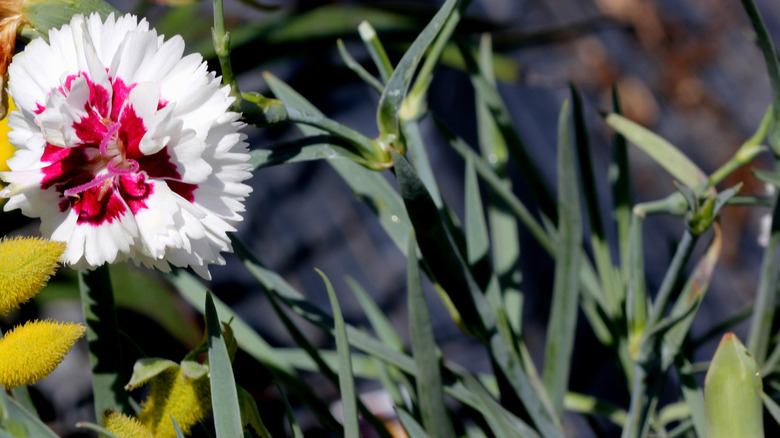
The Coconut Surprise dianthus checks off everything on a butterfly's wishlist. To start, these insects are known to be near-sighted, so anything far away is difficult to distinguish (fellow near-sighted humans can attest to this). Therefore, color is one of the things that stands out most to them, but not just any color will do. Butterflies have the capacity to see ultraviolet light (thanks to some pretty versatile photoreceptors), which makes shades like white stand out even more through the absorption and reflection of light wavelengths that only certain insects like butterflies have the ability to perceive. Since Coconut Surprise has lush white petals and a red center, it practically guides butterflies to the nectar the way a lit runway guides a plane to land.
The flower's clove-like spice fragrance also helps attract butterflies to your garden, as its scent is detectable via a butterfly's powerful chemoreceptors. Once butterflies find the bloom through color, smell, or a combination of senses, the ultimate test is the flower's shape; is it comfortable enough and accessible enough for butterflies to use? This is where Coconut Surprise really shines. The round, wide surface is easy for butterflies to perch on and retrieve nectar from the center.
How to introduce Coconut Surprise to your garden
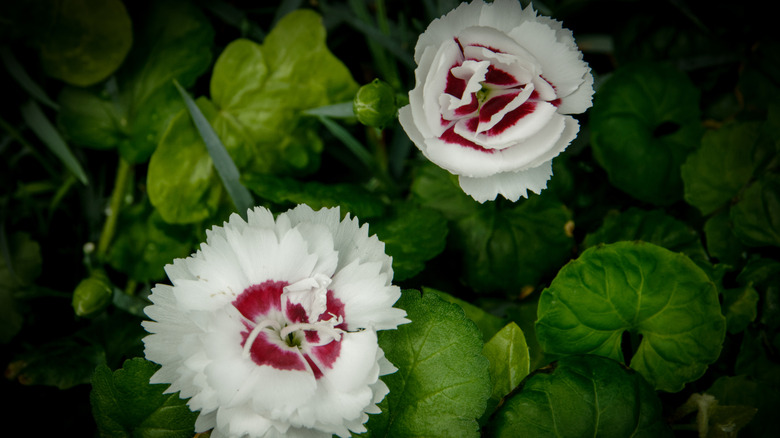
The Coconut Surprise dianthus is a deer-resistant perennial suited for USDA zones 5a to 9b. It grows almost 10 inches tall and wide, making it perfect for garden border interest. For growing success, make sure you plant it in a full-sun spot that has good drainage and space each plant about a foot apart to prevent overcrowding. Make sure to test your soil or amend it to be more alkaline, as dianthus need this mix to thrive and uptake nutrients. When incorporating Coconut Surprise, more is always better since the more plants you have the easier it will be for butterflies to see and identify the red and white hues of the flowers. More flowers also means stronger fragrance for them to detect.
Use them to line garden paths and plant borders since they stay relatively short and display evergreen leaves even when not in bloom. To increase the amount of plants and nectar options, plant Coconut Surprise in open pockets around your butterfly garden. Not only will this increase food and rest spots for the pollinators, but it will also have your garden beds bursting with color.