

Not Coneflower: There's A Deer-Resistant Ground Cover With Pretty Flowers For Your Beds
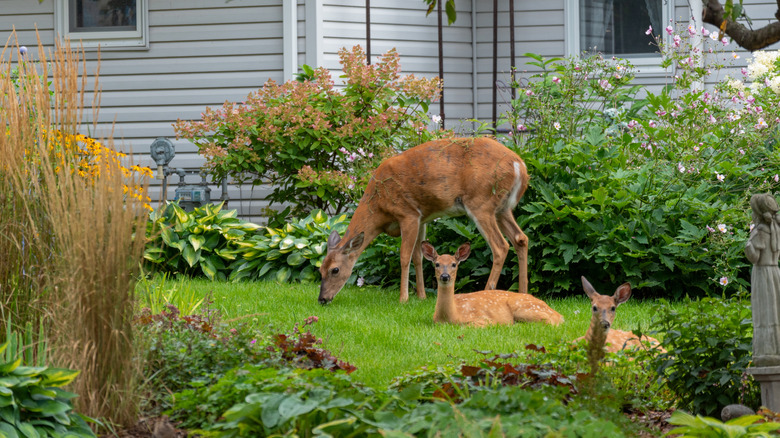
If deer keep turning your flower beds into a snack bar, you may already be looking beyond popular blooms like coneflowers. While coneflowers can add color and attract pollinators, they are not the only way to fill a bed with pretty flowers and strong visual interest. For a bolder option, consider purple heart, also known as Tradescantia pallida. This creeping perennial is hardy in Zone 10 but treated like an annual in cooler climates. It's known for its rich purple stems and narrow violet-purple leaves, which can create a dramatic ground cover in the right setting.
Purple heart is especially useful when you want a plant that does more than simply bloom for a short window. Its foliage brings color to the garden even when the flowers are not the main focus, and its small pink or pale purple blooms add a softer contrast from midsummer into fall. It can be used in flower beds, borders, containers, or as a low-growing accent in your garden design. Better yet, it is often listed among deer resistant perennials you can plant in spring and summer, making it a practical choice for gardeners who want to enjoy color without constantly battling browsing wildlife.
Why purple heart works as a deer-resistant ground cover
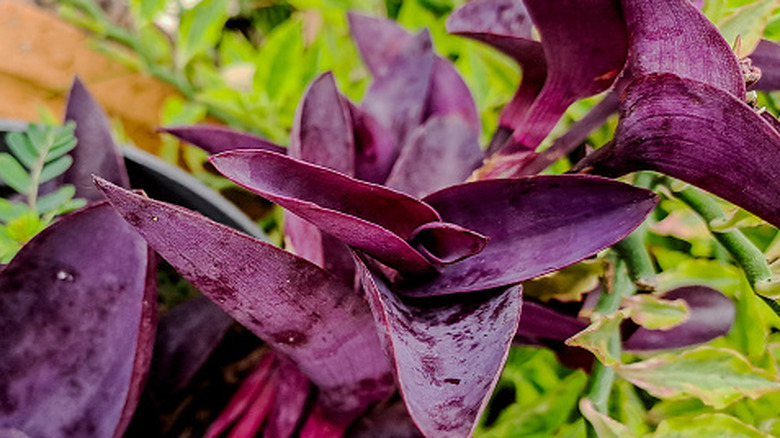
Purple heart can be a strong choice for flower beds because it brings color from its foliage, not just its blooms. The plant has a creeping, spreading habit, which allows it to cover bare soil and soften the edges of garden beds. Its narrow purple leaves and trailing stems create a bold carpet of color that can make green, silver, yellow, or chartreuse plants stand out even more.
Its deer resistance is another reason gardeners may want to try it. No plant is completely deer-proof, especially when deer are hungry, but purple heart should be considered on the list of deer-resistant plants that are hardy against a little nibble. Gardeners often note that deer are less likely to browse plants with tough textures, bitter compounds, or thick, latex-like sap like purple heart has. Purple heart also contains calcium oxalate crystals, which can irritate an animal's skin, mouth, and gums if eaten. The effect generally doesn't last long or have any severe health consequences, but it's still wise to keep an eye on pets and livestock if you plant purple heart.
Purple heart as a ground cover for flower beds
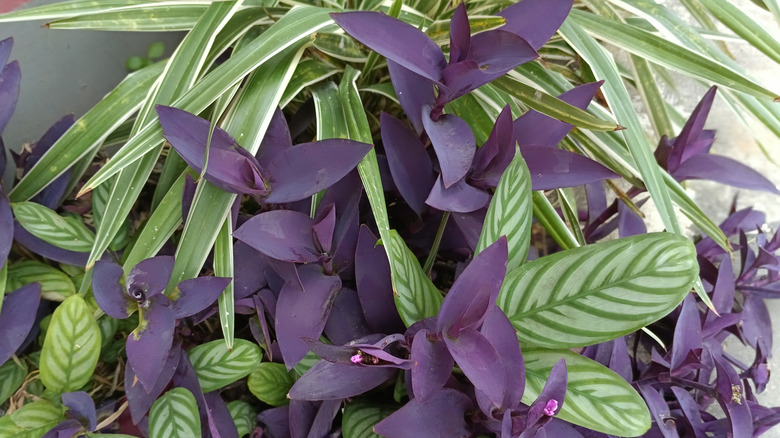
Before planting purple heart in your gardens, make sure it fits your growing conditions. This plant is best suited to warm climates, where it can behave as a perennial ground cover. In colder areas, gardeners may need to treat it as an annual, grow it in containers, or bring cuttings indoors before frost. It can spread nicely in the right climate, but that also means you should place it where its creeping habit is not going to be underfoot.
Purple heart usually develops its richest color in full sun. Too much shade can make the plant look greener or less dramatic. Well-draining soil helps prevent soggy roots, and once established, it can handle some dry conditions, but young plants will need steady moisture while they take root. If you need a colorful ground cover for flower beds that offers bold foliage, small flowers, and a better chance of surviving in a deer-heavy yard, purple heart is worth considering.