

17 Plants That Can Help Keep Gophers Out Of Your Yard & Garden
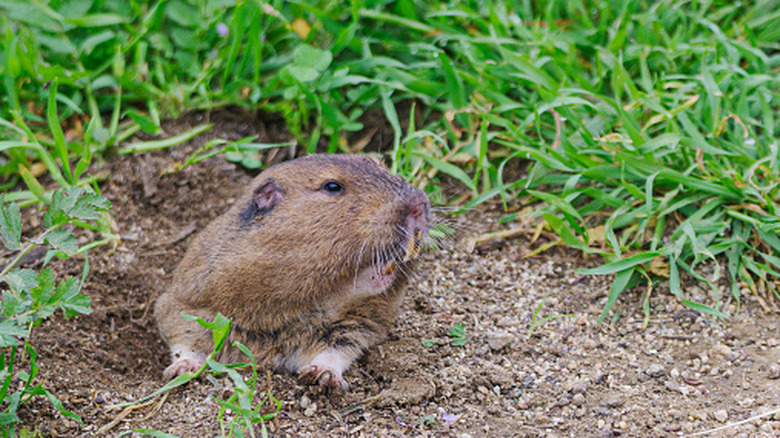
Although they may look cute from afar, gophers can pose a real problem in your yard. This is especially true if you're a garden enthusiast. Gophers are herbivores. As a result, when they enter your garden, seemingly every plant is at risk of becoming a buffet. Fortunately, there are several plants you can incorporate that can reduce the gopher appeal of your yard through scent (or taste), from herbs to flowers.
When it comes to using plants to reduce gopher presence in your yard, there are two types you want to pay attention to: plants that deter gophers, as well as plants that may not actively deter them but won't attract them either. For example, plants like eucalyptus or lavender are often displeasing to animals due to their strong scents, so they can help encourage gophers to go elsewhere. Meanwhile, plants like daffodils typically go untouched due to their taste and scent, unlike other appetizing choices (such as carrots, parsley, or poppies). Between these two plant groups, you can design a gopher-resistant garden that has a better chance of avoiding unwanted feeding activity.
Before diving into the different plants you can use to help keep gophers out of your garden, there is one thing to keep in mind: This isn't a guaranteed fix. These plants are gopher-resistant, not gopher-proof, and plants are not a pest control method meant to be used alone. Rather, when paired with physical barriers and other control methods, a garden full of daffodils, lavender, and similar plants can be a helpful way to deter gophers.
Daffodil
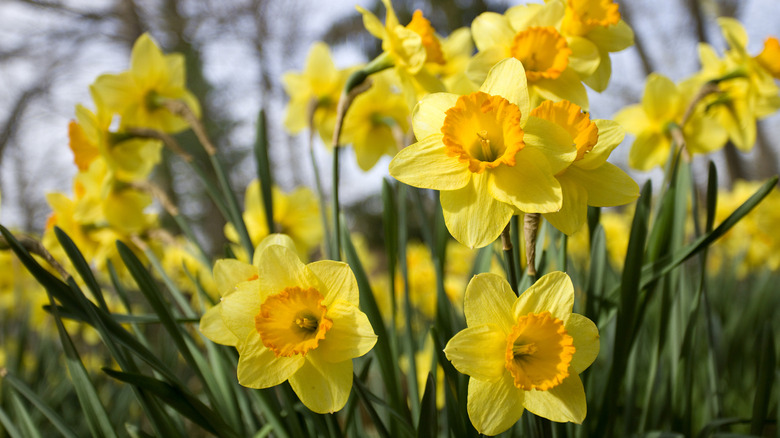
When it comes to garden pest repellents, daffodils (Narcissus) are a common go-to. These vibrant perennial flowers are often praised as both deer- and rabbit-resistant. However, they're also a top contender among gopher-resistant plants. Gophers tend to leave these flowers alone, allowing them to thrive without ending up on the menu. So, while they may not actively repel gophers from your garden, they can reduce the likelihood of attracting them. There are several species and cultivars of daffodils you can choose from for your garden, with most hardy in USDA Hardiness Zones 4 through 8.
Gopher spurge
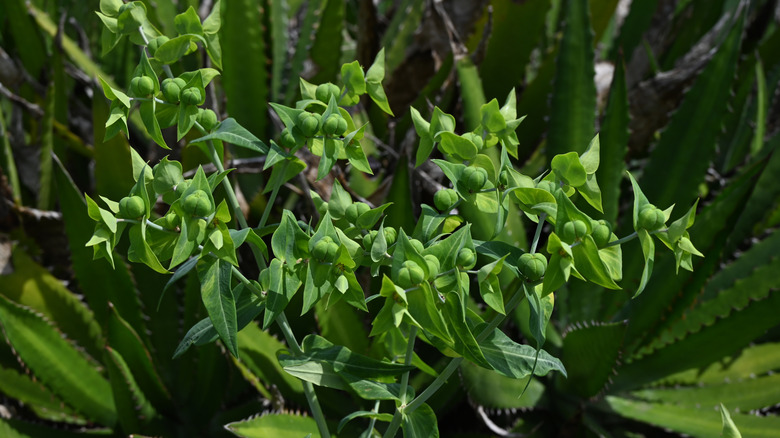
Gopher spurge (Euphorbia lathyris) is also called the mole plant, and it got its name from beliefs about it repelling moles and gophers. Like with other plants, there's still no guarantee that adding this plant to your garden will repel all gophers perpetually. Still, it has seen success in surviving against hungry rodents. That's because plants in the Euphorbia genus, including gopher spurge, contain an bitter, milky sap with a toxicity that makes it irritating even on contact. Gopher spurge is an annual.
Naked lady
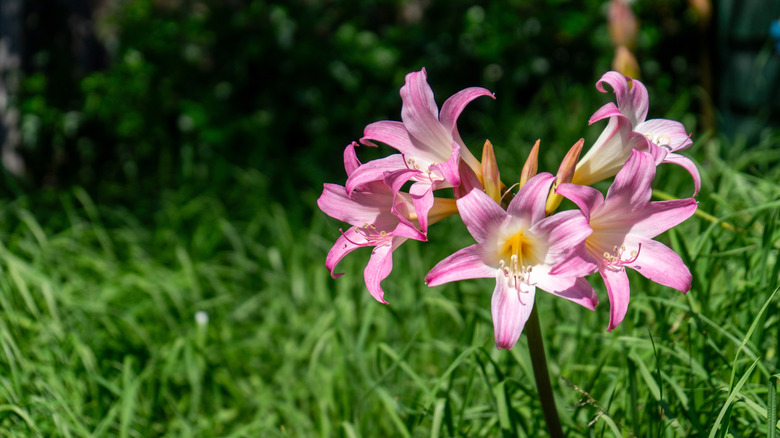
Naked ladies (Amaryllis belladonna) are another plant that gophers tend to avoid. They can help keep these critters out of your yard while keeping visual appeal front and center, thanks to their showy flowers that appear from late summer to fall. Like many other gopher-resistant flowers, naked ladies also resist deer and rabbits, which is perfect if you feel like your garden has unfortunately become a free-for-all for wildlife. These bulbs are hardy in zones 3 through 10, allowing them to remain a consistent garden mainstay in a variety of climates.
Onion
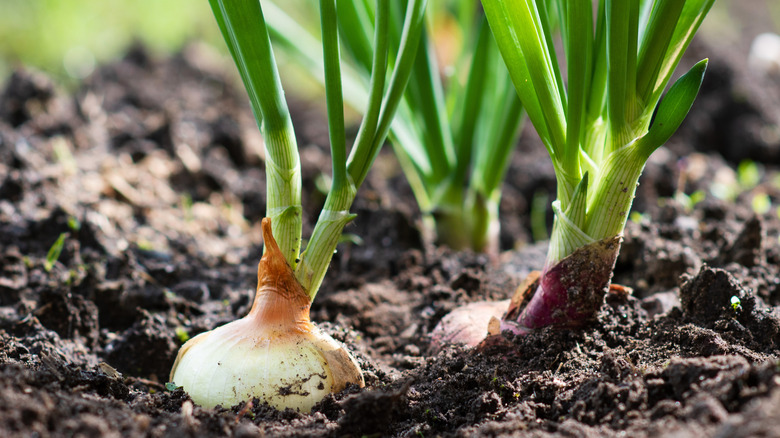
The same scent that brings your mirepoix to life is also what helps keep gophers from becoming too interested in your garden. Onions (and their near cousins, some of which are also on this list) can deter pests because of this strong odor, which comes from sulfur compounds. Of course, like with all plants, onions alone may not entirely solve your gopher problem, and particularly resilient rodents may target the onions themselves. However, they can be one helpful component of a gopher-free garden.
Lavender
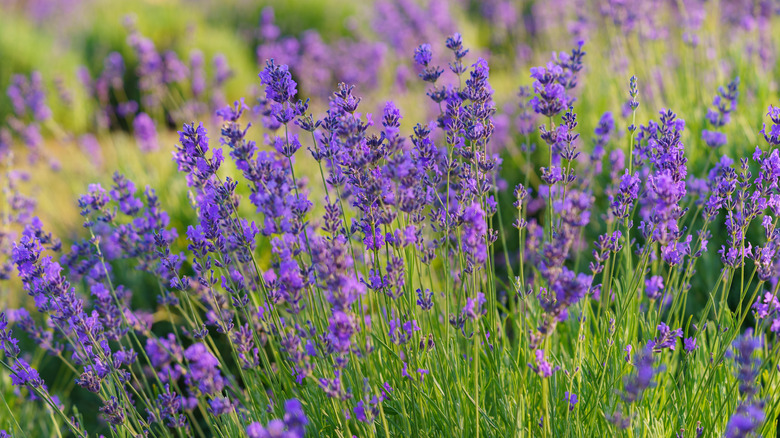
Onions aren't the only odor-based defense system for your yard and garden. You can also incorporate lavender (Lavandula spp.), which produces a strong scent, often leading animals to avoid that area. Gophers heavily rely on smell when looking for their next meal, and strongly scented options like lavender can aid in deterring these little rodents. Common lavender (Lavandula angustifolia) is hardy in zones 5 through 9, and it will also attract more butterflies to your garden.
Oleander
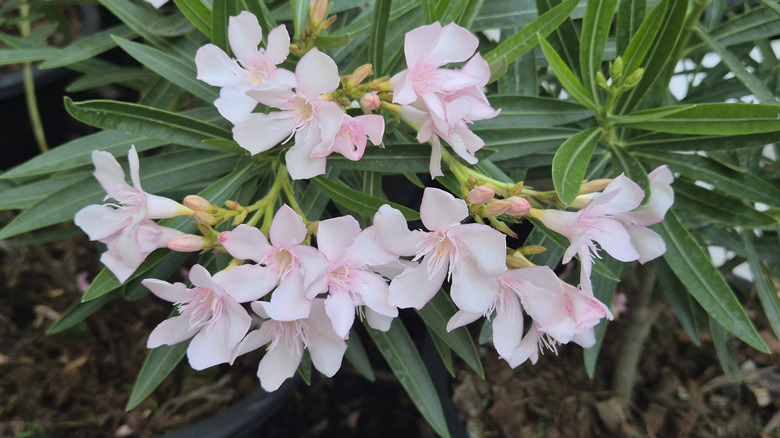
Oleander (Nerium oleander) is a highly toxic shrub. Needless to say, gophers aren't exactly gnawing at the bit to get a taste of this bitter and potentially dangerous plant. Because of this, it can work well to keep gophers out of your yard, cutting down on their food source while keeping your garden colorful and visually appealing. Like all plants on this list, oleander is gopher-resistant, not gopher-proof, but it is often employed as a way to keep gophers out of yards. Oleander is hardy in zones 8 through 10.
Hydrangea
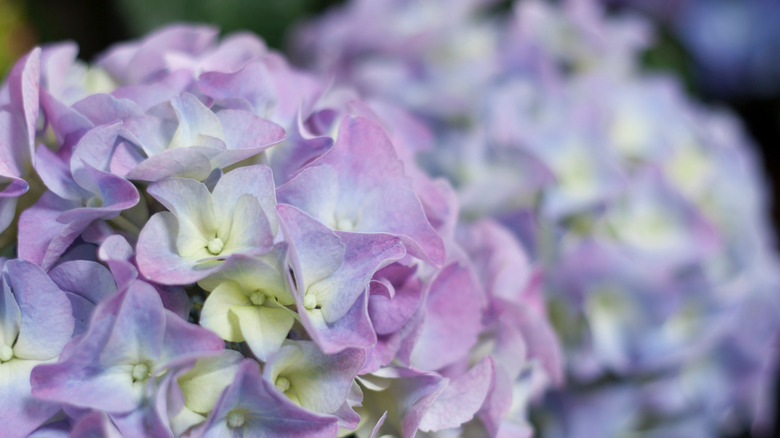
Hydrangeas (Hydrangea spp.) are among the most popular garden shrubs, and it's no surprise, given their large, beautiful blooms that look the way a New England summer feels. But hydrangeas also often go untouched by gophers. The key is to pick the right species for your yard, as different species are hardy in different zone ranges. Some species are also toxic if ingested, which is something to keep in mind when perusing.
Marigold
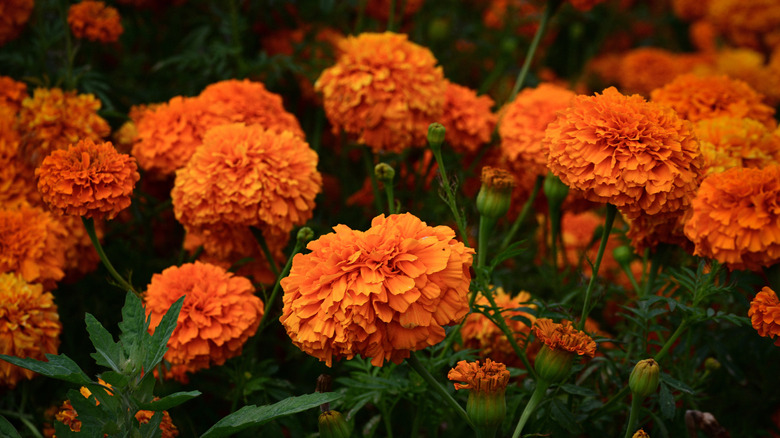
Marigolds (Tagetes spp.) are often regarded as a go-to in the gardening world for pest prevention, although again, they work best when they're not your sole line of defense. When it comes to gophers, marigolds work in a manner similar to lavender, where their scent is the main repellent factor. There are several different species of marigold to choose from, most of which are grown as annuals in most zones.
Society garlic
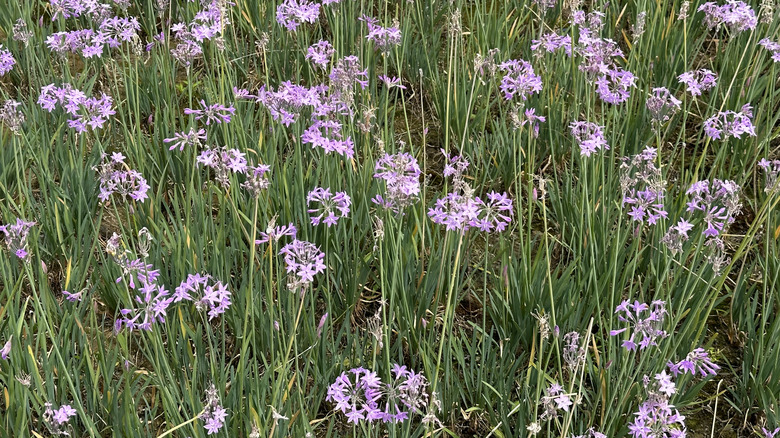
Like lavender and onions, society garlic (Tulbaghia violacea) has often shown success at holding up against gophers, with many gardeners reporting success at growing this plant without the animals' interference. Society garlic produces eye-catching flowers but overall has that tell-tale garlic scent, which is why it can be off-putting to animals. This plant is hardy in zones 7 through 10. While not preferred by gophers, it is edible for humans, allowing it to pull double-duty.
Crown of thorns
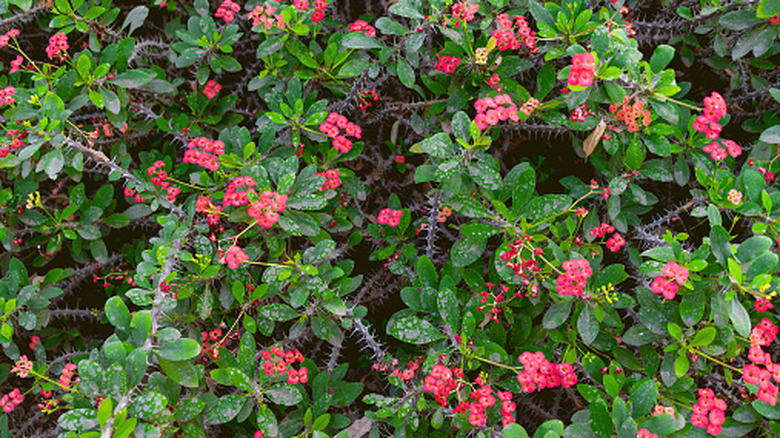
Although many regions may only be able to enjoy this plant as a stunning pink succulent that thrives indoors, if you live in the right hardiness zones (9 through 11), you can also grow crown of thorns (Euphorbia milii) plants outdoors. Crown of thorns is another Euphorbia species, like gopher spurge. Gophers don't typically eat this plant, and they may even avoid its roots altogether, likely due to its irritating sap.
African milk barrel
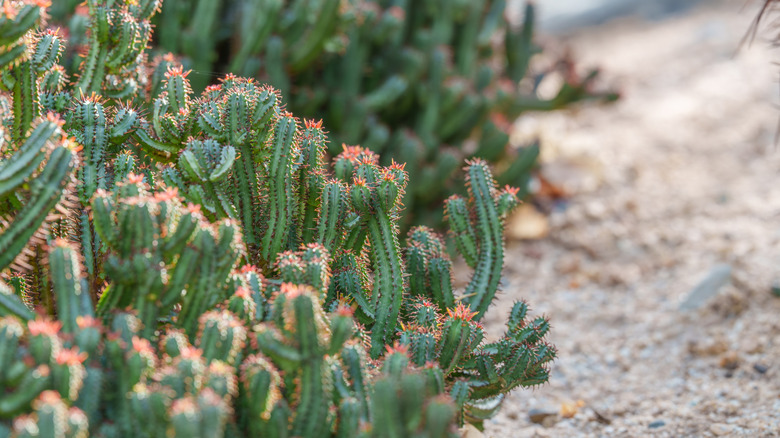
Like gopher spurge and crown of thorns, African milk barrel (Euphorbia horrida) also produces a sap that discourages animals from grazing. If your goal is to reduce viable food sources for gophers while maintaining a visually appealing yard, you may be interested in this Euphorbia option. It's also deer- and rabbit-resistant. African milk barrels are hardy in zones 9 through 11, and their unique appearance makes them great for incorporating into a succulent-based natural sculpture garden.
Geranium
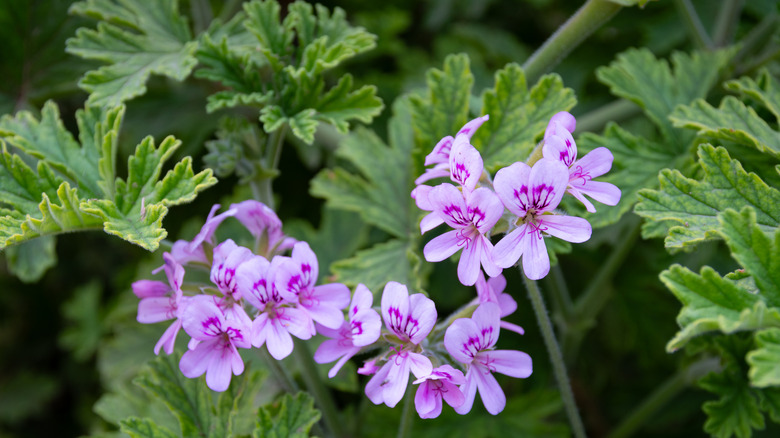
Geranium (Pelargonium spp.) is another attractive flower that's gopher-resistant. For those gardeners familiar with geraniums, you may recognize them as a fragrant addition to your garden, especially zonal and scented-leaf geraniums. However, that smell isn't just a sensory experience; it also serves as a deterrent for any visiting critters, including gophers. You can choose to grow geraniums as a perennial in zones 9 through 12 or as an annual elsewhere.
Thyme
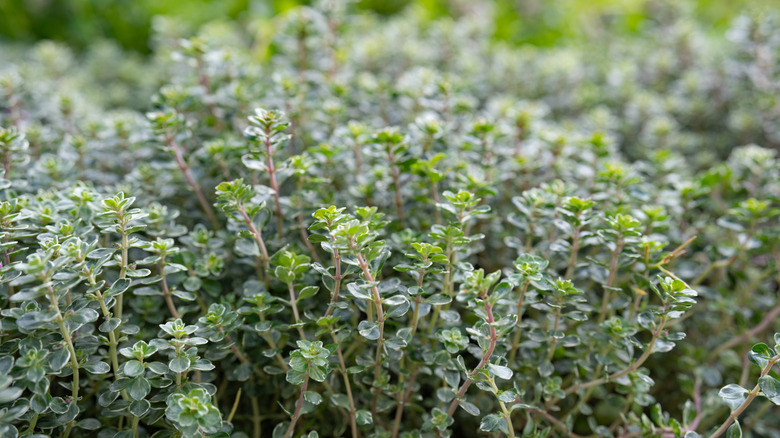
Don't discount your common kitchen herbs for banishing gophers. Thyme is another one of those plants that gophers don't like the smell of. You can use its strong odor to help keep gophers out of your yard, while also harvesting the plant itself for use in the kitchen. This is a clever approach if gophers are a problem but you're short on outdoor space, since thyme is a multipurpose plant. Common or garden thyme (Thymus vulgaris) is hardy in zones 5 through 9.
Eucalyptus
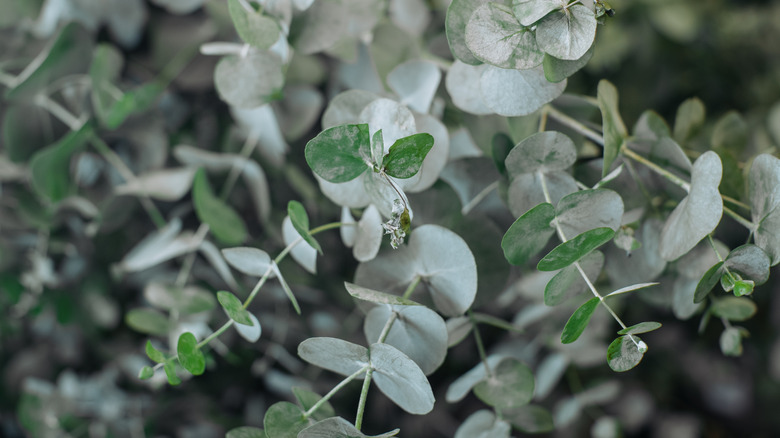
If you've ever decorated with dried eucalyptus (Eucalyptus cinerea) before, then you know just how potent the smell of this plant is. This scent hangs around the living plant as well due to the natural oils in the leaves, which means that adding eucalyptus to your landscaping could help keep gophers out. Gophers will pick up on the smell, which can make your yard less hospitable to these garden invaders. Eucalyptus is hardy in zones 8 through 11.
Crown imperial
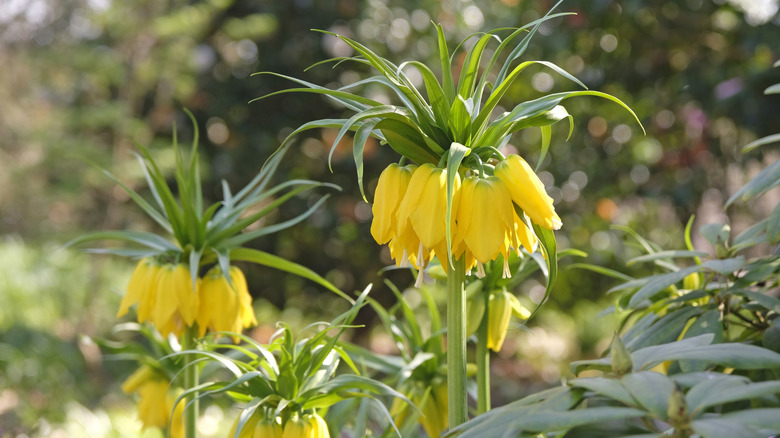
Choosing gopher-resistant plants doesn't mean you need to sacrifice color. Instead, with crown imperials (Fritillaria imperialis), you can reap the benefits of repelling gophers while also enjoying the bright flowers that this plant has to offer. Crown imperials' bulbs produce a strong odor that gophers can smell as they dig, which often encourages them to find lunch elsewhere. On top of this, they also bloom throughout the spring and summer with vibrant orange or red bell-shaped flowers. Crown imperials are winter hardy in zones 5 through 8.
Fire sticks
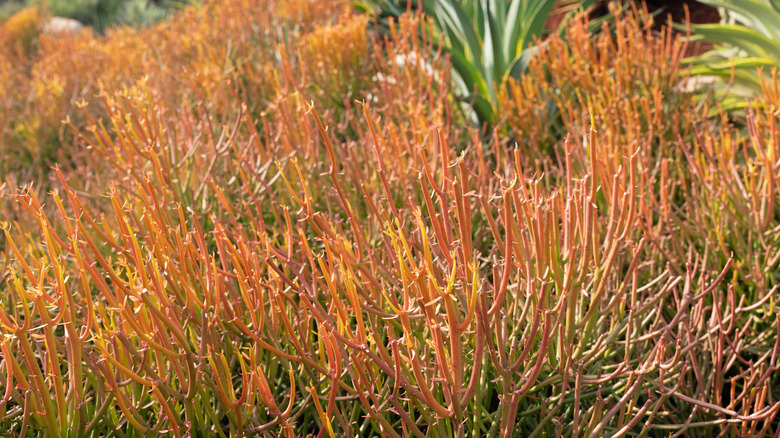
Fire sticks (Euphorbia tirucalli) are another one of those Euphorbia species that help keep unwanted critters at bay because of the milky sap they produce when damaged. As a result, gophers tend to steer clear. Fire sticks are, however, only hardy in a small range of warmer areas, specifically zones 9 through 12. Cooler climates will have to opt for hardier gopher deterrents.
Rosemary
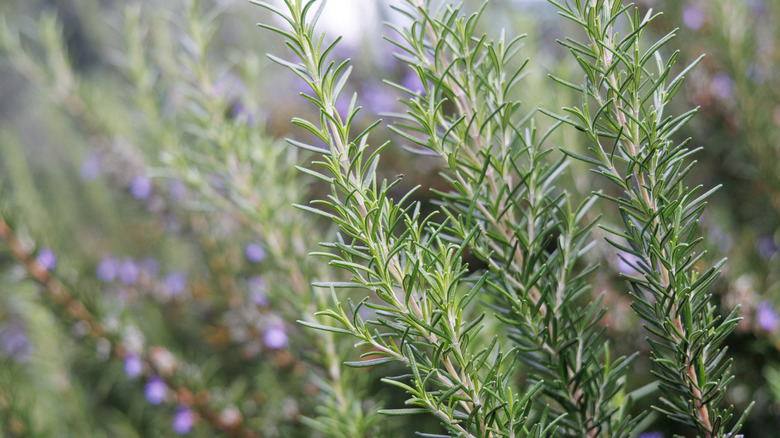
If you're adding edible options like thyme and onions to your garden as a smelly way to repel gophers, don't forget about rosemary (Salvia rosmarinus). Like many other common herbs, rosemary contains highly fragrant oils. With their sensitive noses, gophers typically prefer to avoid it. Paired with its use in the kitchen, it has multiple purposes in the garden, which is good for making an inhospitable environment for gophers while making the most of a small garden space.