

Goodbye Bare Concrete: The Cheap, Moisture-Proof Flooring More Basements Could Use
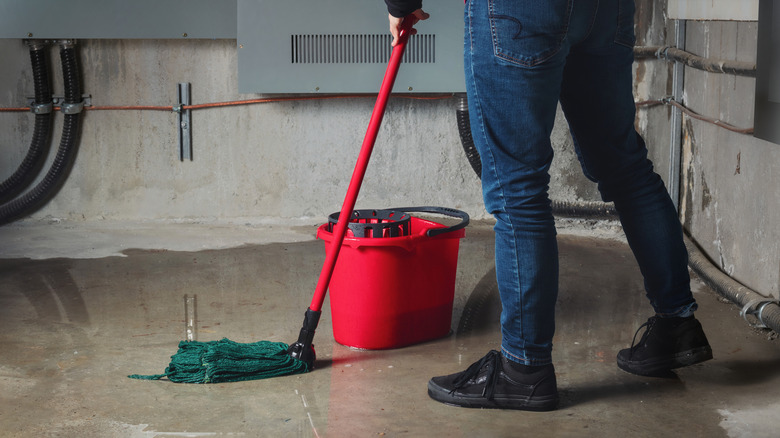
The basement is typically a space in your home that doesn't get much attention. These dim, cool spaces often have concrete flooring. While that may seem practical, it's not an especially handy or long-term solution, particularly in homes where dampness is a recurring issue. There are many ideas for basement flooring that could work. However, instead of leaving a concrete floor bare, adding an epoxy floor coating is a budget-friendly way to upgrade your basement while adding a surprisingly durable layer of moisture resistance.
Epoxy coatings are a durable resin finish that bonds directly to concrete. The coating creates a hard, sealed surface for your floor. Concrete may look solid, but it's actually filled with tiny pores that can absorb water from spills and humidity. Over time, that trapped moisture can contribute to staining, surface deterioration, and other issues that are common in basement environments. Instead of absorbing stains and moisture the way that untreated concrete does, epoxy forms a protective barrier that helps prevent water, other liquids, or chemicals from penetrating the surface. With proper installation, it can extend the life of your floor by shielding your concrete from chemical exposure, abrasion, and other wear and tear.
In a basement, where humidity and ground moisture can be ongoing challenges, that extra layer can make a big difference in how the room feels and functions. It's low-maintenance and protects the concrete beneath from everyday wear. The average cost is about $2 to $5 per square foot for a DIY installation and between $3 and $12 per square foot for a professional installation.
Why epoxy is a better choice than bare concrete
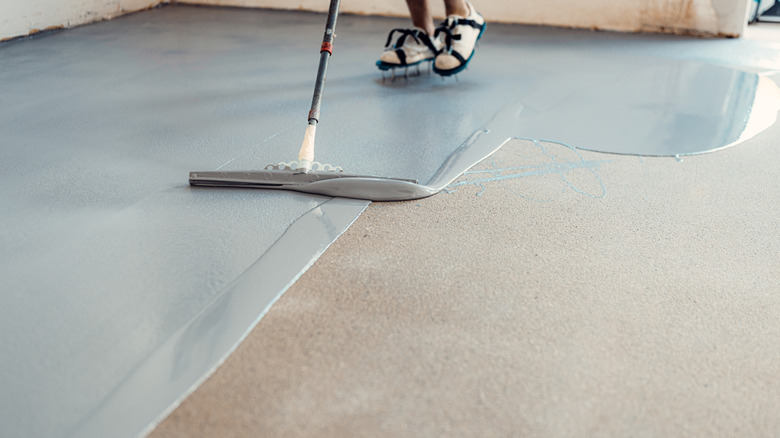
One of the biggest advantages of applying epoxy over concrete is its ability to protect against surface moisture and spills. Untreated concrete flooring can absorb the moisture in your basement. Over time, this can lead to problems like surface deterioration, staining, and even mold and mildew. You can take steps to safely dehumidify your basement to combat moisture and mold, but it may not keep it from coming back. An epoxy coating is a non-porous surface that is less likely to encourage mold and mildew than bare concrete. Spills will sit rather than soak in, reducing the risk of long-term damage.
Epoxy also improves usability. A sealed, smooth floor is easier to sweep and maintain, making the basement more functional. Homeowners looking to turn the space into a laundry room, gym, or storage area may find epoxy to be a relatively inexpensive upgrade. There are many finish options, from paint-chip styles to metallic coatings, so you can create a floor to fit your home's aesthetic. It can make the space feel more finished without the need for a full renovation.
An epoxy coating is intended as a protective and preventative measure on your basement floor, not a solution to existing moisture issues. If the floor has moisture problems, applying epoxy does not fix it. In fact, it can actually make matters worse by trapping the moisture underneath the coating. The concrete needs to be clean and dry, and priming your floor is necessary before application. If moisture is present, the epoxy will not bond correctly and could peel or fail. You can test the floor's moisture levels or hire a professional to help ensure proper adhesion and long-term performance.