

Not Viburnum: The Hydrangea Alternative That Adds Texture To The Garden

We may receive a commission on purchases made from links.
Hydrangeas are popular garden plants. The catch is that they can also be quite demanding, which is why many gardeners sometimes recommend growing viburnums instead. Viburnums are almost carefree once established. Plus, they look just as good as hydrangeas. Still, not everyone wants to plant viburnums, as they can be aggressive growers. So, it may be worth taking a look at pentas (Pentas lanceolata). Commonly known as star flowers or Egyptian star cluster, pentas are herbaceous perennials that are well-known for their beauty and butterfly appeal in the garden.
They make great substitutes for hydrangeas, especially in warm areas, as they thrive in heat and have very good drought tolerance as well. Hydrangeas, on the other hand, start to decline when temperatures rise, and they need consistent watering. Pentas also offer a better pollinator value in the garden. They have nectar-rich flowers that not only attract a ton of butterflies but also bees and hummingbirds. They are a really good choice if you are trying to start a pollinator garden. In comparison, many hydrangea varieties have sterile flowers, but can still provide nectar to pollinators.
Other than that, pentas are also generally pest- and disease-free, whereas hydrangeas are susceptible to a number of diseases, including powdery mildew, leaf spot, and blight, as well as pests like scale, aphids, and spider mites. Put simply, if you are looking for low-maintenance alternatives to hydrangeas, pentas are a good choice. Just note that pentas only grow as perennials in USDA plant hardiness zones 10 and 11. Outside these zones, you will have to grow them either as annuals or overwintering them indoors.
Using pentas to add color and texture to your garden
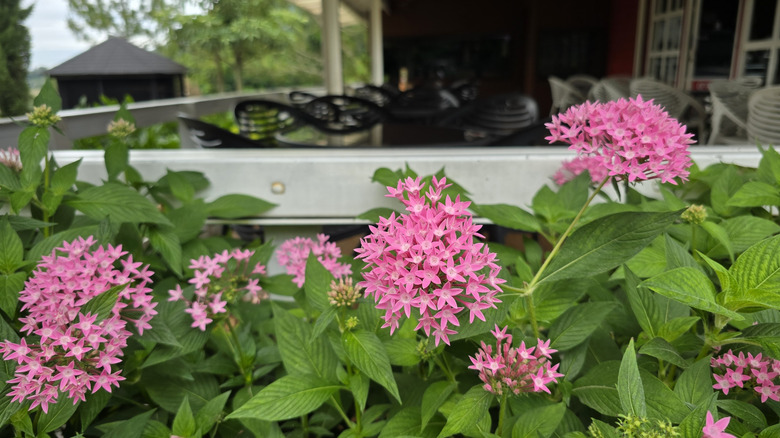
The good thing about pentas is that they can add color and texture to a garden without taking up much space. Each plant only grows about 2 to 3 feet tall and 15 inches wide. So, you can use them easily both in containers and in mass planting in beds and borders. Even better? Instead of producing single scattered flowers, pentas produce flowers in dense clusters, and a single plant can carry as many as 20 clusters at one time. When planted in groups, they create a very beautiful full look that adds depth and visual interest throughout the garden.
Pentas also come in many colors. Lavender, red, pink, white, purple, violet, the list just goes on. Just remember that full sun is the key to getting the best bloom production. That does not mean, however, that you cannot plant them in partial shade. You absolutely can. They will just produce fewer flowers. Other than that, pentas also need a well-draining and fertile soil. So, make sure you add plenty of organic material to your garden. Plus, you can also look into additions that can boost the health and productivity of your garden soil.
It is also important to note here that pentas prefer slightly acidic soil with a pH between 6 and 7. So, make sure to check the pH of your soil as well with a home-based soil testing kit like Rapitest Soil Test Kit for Gardens before planting pentas in your garden. Lastly, water plants regularly when they are getting established and fertilize them once every 6 weeks or so, too. Then, once established, water only when needed, and you will be good to go.