

Don't Throw Them Out: The Kitchen Trash You Could Be Adding To Your Compost
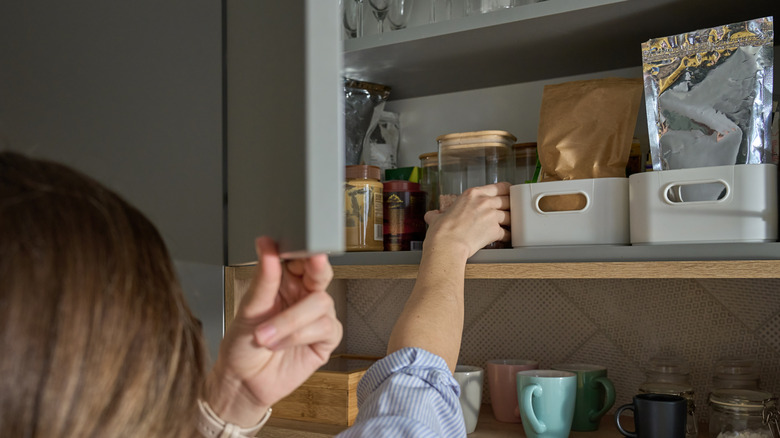
Expired pantry items usually go straight into the trash, especially when you find an old bag of flour, your cereal gets stale, or forgotten box of pasta hiding in the back of a cabinet. But before you toss every outdated dry good, check whether it could go into your compost instead. Many plain, plant-based pantry staples can break down just like other organic materials, giving you a low-effort way to reduce kitchen waste and declutter your pantry.
This works best with dry goods such as flour, oats, rice, cereal, and pasta. Canned and cooked beans can also be added as long as they are unsalted and contain no flavorings or sauces. Adding small amounts at a time makes the items less likely to attract pests or create sour smells. Speaking of pests, composting can aid in cleaning your pantry after you find invasive critters. Even expired items with bugs can be composted. Just freeze the item first — yes, bugs and all — before adding it to your compost pile.
Why expired dry pantry goods can create a rich healthy compost
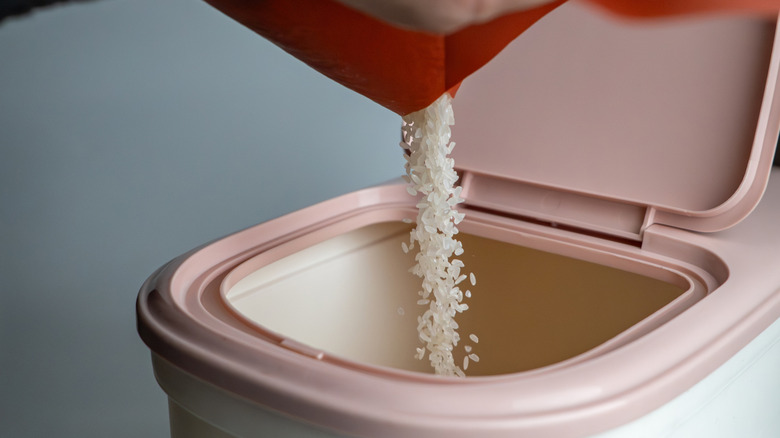
Plain expired pantry staples can become a rich, healthy compost because they are made from plant-based materials. Flour and pasta are made from wheat. Rice, oats and wheat are considered cereal grains and fully compostable. The key is to treat these foods as compost ingredients, and not as a full compost pile on their own. Some ingredients, like oats, rice grains, nuts, and nut shells, can take a while to fully break down on their own and may attract pests if they're not well mixed. But with the right blend of other materials, they'll add valuable nutrients.
Compost needs a balance of "brown" and "green" ingredients. Vegetable scraps, grass clippings, and plant matter are "green" materials that give your compost a serious nitrogen boost. Other "brown" materials like leaves, cardboard, straw, shredded paper, and your dry pantry goods bring the carbon portion of the compost. They also provide dry bulk, keeping your compost from becoming too wet and rancid. A good rule of thumb is to combine brown and green in a ratio of 30:1, based on weight. Stir or tumble your compost after adding your expired pantry materials to mix it in. Used carefully, this tip can help you declutter your pantry while sending less food waste to the landfill.
What pantry items should never go in the compost
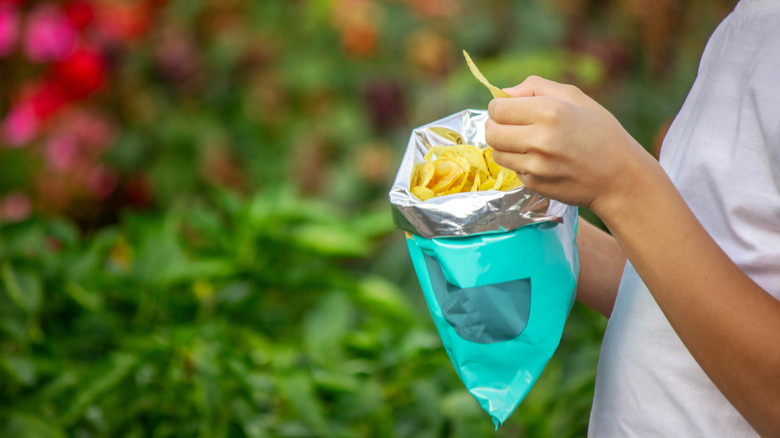
Although there are many food items you can add from your pantry, there are also some things you should never add to your compost heap. Of course, start by making sure you remove all packaging, tags, and labels from your items. Even "compostable" or "biodegradable" packages usually aren't fit for a simple backyard compost pile. They're designed to break down through commercial composting operations or landfills, which generate higher internal temperatures.
You should also skip anything oily, greasy, dairy, or meat-based. Items like ramen seasoning packets or snack foods coated in oil and salt can throw off the microbial balance of your compost pile. Excess salt accumulated in the compost can also be transferred to garden soil later, where it will wreak havoc on your plants. If something looks foul, it probably shouldn't go in your compost either. A little surface staleness is one thing, but questionable mold, strong odors, or mystery contamination are good reasons to keep an item out of the pile. If you do not know what an ingredient is, it's best not to add it to the compost.