

What's The Average Lifespan Of A Generator?
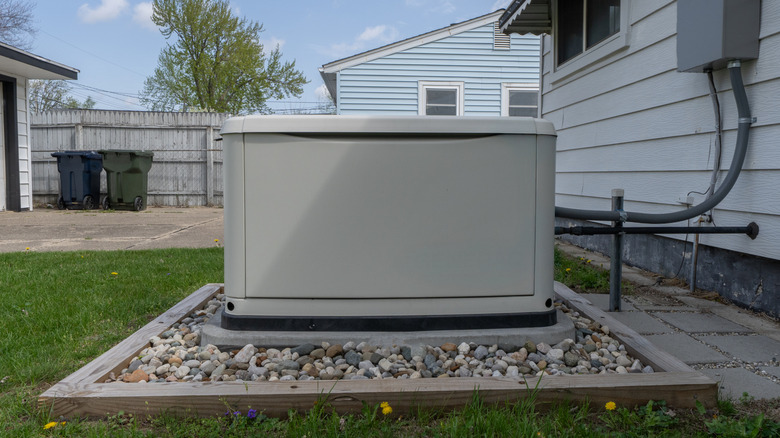
Depending on where you live, having a home generator can be an absolute necessity rather than a luxury. In states like Texas — with its unpredictable winter freezes and summer grid strain — or Florida, where the weather brings intense hurricane seasons, being able to have power when the main electrical grid fails is crucial. Before investing in a generator, though, it's important to understand how long of a lifespan you can realistically expect from your unit. Ultimately, the life of your unit is dictated by three main things: its frequency of use, the type of fuel it uses, and maintenance. While the size of your generator doesn't dictate a specific lifespan, it does have a big impact on how much work the engine has to do and how well it deals with heat as time goes on.
When it comes to understanding everything you need to know about getting your first generator, the true measure of its longevity isn't counted in calendar years, but in operating hours. Portable home generators can last between 1,000 and 3,000 hours, though if used strictly for occasional emergency backup power, they can easily last 10 to 20 years. These are built with smaller air-cooled engines than whole-home standby generators and use gasoline, which burns hot and degrades quickly.
Permanently installed whole-home generators are engineered for longevity. These use durable, automotive-grade engines and good cooling systems to cope with long outages. Propane (or natural gas) generators typically run for 3,000 to 6,000 hours, or about 20 to 30 years. If the generator is diesel-powered, you can look forward to even greater longevity and durability. These have an average lifespan of 5,000 to 10,000 hours (or 25 to 30 years), and are the gold standard for long-term endurance.
How to maximize a generator's lifespan
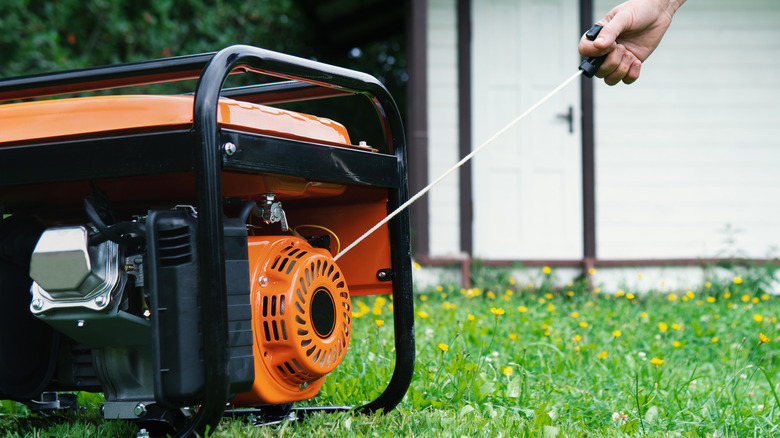
Knowing your generator is properly maintained gives you total peace of mind during an emergency. And since these aren't the cheapest thing to buy for your home, protecting that investment through consistent care is essential. If you want to hit the high end of its life expectancy, routine maintenance is non-negotiable. It's also important not to make these common mistakes with your home generator that can dramatically shorten its lifespan.
First, you need to change the oil regularly. Generator engines don't have the massive oil capacities of cars. For portable units, oil should typically be changed every 50 to 100 hours of use, after its first change at the 25-hour mark. For standby units, it's usually every 100 to 200 hours, or at least once a year. Contrary to what many homeowners assume about letting a backup system sit idle, you need to keep the parts moving by exercising the engine. To do this, follow the 20-20-20 rule: every 20 days, operate the generator under at least 20% electrical load for 20 minutes. This circulates oil, lubricates internal seals, and prevents moisture buildup inside the engine.
In the same vein, you'll need to ensure the fuel stays fresh. Never let a gasoline generator sit idle for months with fuel in the tank. It's best to use fuel stabilizers or run the carburetor completely dry before storing it to prevent corrosion. Because modern ethanol-blend fuels degrade rapidly and attract moisture, leaving untreated gas in your system is an open invitation for clogs and internal rust. Taking five minutes to drain the tank or add a stabilizer before storage ensures your generator will actually fire up when the grid goes down.