

Grow This Low-Maintenance Perennial With Lush Foliage As A Ground Cover In Shady Spots
Shady spots are some of the trickiest areas to fill in a garden. The plant choices can feel limited, and even when you do find something that tolerates low light, it often comes with a long list of demands. Trifoliate bittercress (Cardamine trifolia), however, is a welcome exception. It is a low-growing, evergreen herbaceous perennial that is often used as a groundcover in landscapes. It grows well in shade, even in deep shade, and is pretty low-maintenance, too. Once established, all you really need to do is clean up its spent flowers and occasionally divide it to keep the spread under control.
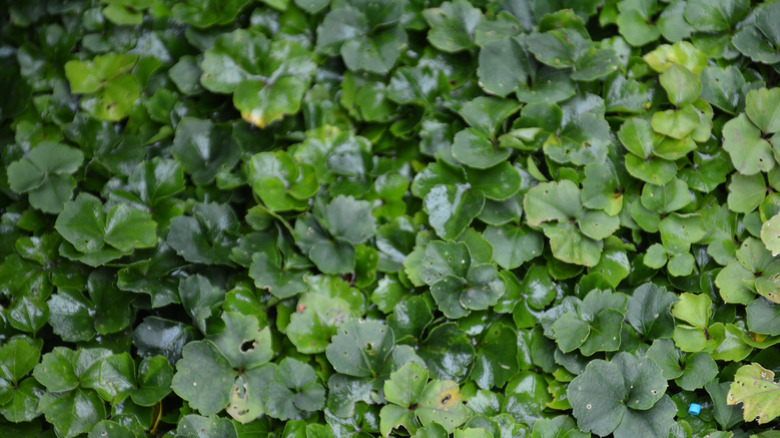
As for its size, the trifoliate bittercress grows about 4 to 6 inches high and spreads 12 to 18 inches in a near-perfect circle, forming a low mound. The spread, however, is quite slow. When it comes to flowers, the trifoliate bittercress blooms in masses from April to May. The flowers are four-petaled and create a striking contrast with the trifoliate bittercress's leathery green palmate leaves. Deer and other critters keep their distance from it. Plus, it attracts butterflies and bees.
In addition to groundcover, trifoliate bittercress works well for edging, beds, borders, and more. It is hardy in USDA zones 5 to 9. If you live outside these zones, you will need to explore other ground covers that thrive in the shade and add beauty to a garden.
Growing trifoliate bittercress
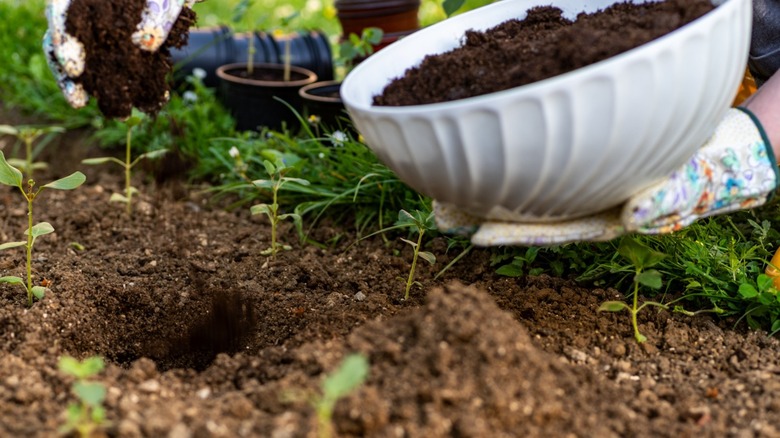
Once you have decided where you want to grow trifoliate bittercress in your garden, the next step is to ensure the soil is suitable. It thrives in moist, well-draining, and fertile soil. Depending upon your soil's pH, you may need to make adjustments. It prefers a pH between slightly acidic and neutral. If you're unsure of your soil's pH, there are many home-based soil testing kits available to help you find out.
Once the soil is ready, you can propagate the trifoliate bittercress using seed or division. Division may be preferable as seeds can take quite a while to germinate and establish. Plus, you can buy pre-grown plants from a nursery or online. No matter how you propagate it, you must ensure you space plants correctly when establishing groundcover. And when it comes to trifoliate bittercress, you should space the plants at least 12 inches apart.
Proper spacing helps achieve the desired results faster and ensures the plant covers the area uniformly. Once established, trifoliate bittercress requires little care. It is drought-tolerant and has no serious pest or disease issues. Do be sure to water it regularly to help keep it looking fresh. If you find you're not able to water regularly, you can automate your plant watering by installing an individual drip irrigation system.