

This Graceful Flowering Shrub Does More Than Beautify Your Yard
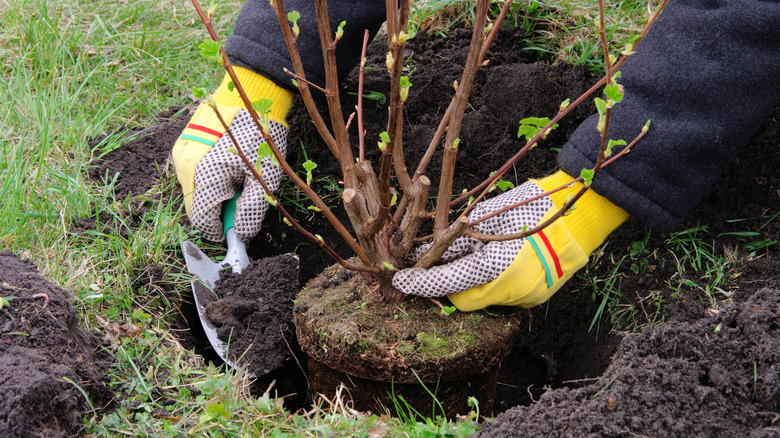
When deciding which plants to add to your front yard or back garden, your top priorities might include boosting curb appeal, creating a low-maintenance space, or even attracting pollinators. All of these considerations can help to narrow your choices and guarantee that you're satisfied with the final product, but there's one important factor that many gardeners fail to take into account: fire risk.
Responsible planting is one of the easiest ways to help protect your home against fires, and by making landscaping choices that minimize the amount of flammable material outside of your home, you can create a barrier against potential damage. Somewhat surprisingly, azaleas (Rhododendron) fall into this category. Fire-resistant plants drop little flammable material, hold water in their leaves, have deep root systems, and don't contain high amounts of oils or resins that could easily catch fire.
Azaleas check every box here, and as an added bonus, they provide a lush alternative to the succulents that are more frequently recommended for this purpose. If you live anywhere in USDA Hardiness Zones 4 through 8, you can enjoy a spectacular burst of color in the spring and lush greenery through all or most of the year, all while resting assured that your space won't be a prime target for wildfires. With that being said, however, proper maintenance is essential to maintain this plant's fire-resistant quality, as a dry, withering, or messy azalea could more easily become kindling.
How to properly maintain your azaleas to minimize fire risk
To increase the chances of growing successful azalea bushes, you'll want to make sure they have access to the proper sunlight, soil, and water conditions. These plants don't need full sun, so choose somewhere in the garden that gets dappled or partial shade. They also prefer acidic, loamy, well-draining soil, so if you're not working with this mix, it might be necessary to amend your existing planting area. Keep your plants well-watered and add some mulch in winter, and your bushes will thrive.
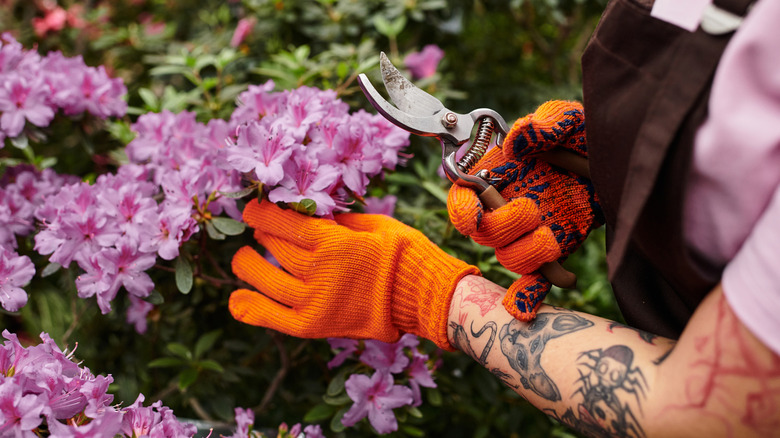
Occasionally, especially if you're growing azaleas specifically for their fire resistance, you should prune your bushes. This will help to maintain their shape, but it will also reduce the amount of dead material that could catch. Make sure to also clean up dropped leaves and petals under and around the bush for the same reason.
There are plenty of different kinds of azaleas you can choose that will be a lovely, fire-resistant addition to your garden, but if you want the maximum amount of greenery and the fewest dropped leaves, go for an evergreen variety (subgenus Tsutsusi). These plants will stay green, making them great azaleas to use as hedges in areas where you want year-round privacy or shade. Regardless of which specific cultivar you pick, these plants are sure to be a stunner that will be appreciated by you, visiting pollinators, and your local fire resistance authority.