

13 Summer Gardening Mistakes That Are Ruining Your Perennials
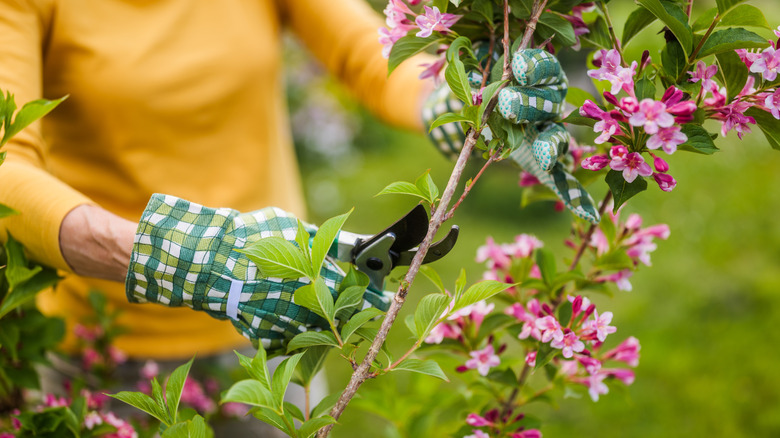
Summer is peak season for many perennials. In an ideal world, you take good care of them in spring after they break their dormancy, and by summer they are looking fabulous and taking care of themselves. Unfortunately, it's all too easy for even the most well-meaning gardener or plant parent to make a seemingly innocent mistake that can set the perennials back for the rest of this season, and even beyond.
I have two decades of experience as a master gardener and some of the most common issues I see involve helicopter plant parenting. Things like cutting back too hard, as well as inappropriate fertilizing or watering in an effort to "help" are all well-intentioned mistakes. On the other hand, you also get people that pay no attention to their perennials and just assume that because they are perennials, they are self-sufficient. This second group don't provide enough support during the first summer or they skip things like deadheading and post-bloom cutbacks entirely. Gardeners need to find the right balance of providing care without going over the top.
Skipping the post-bloom cutback on reblooming perennials
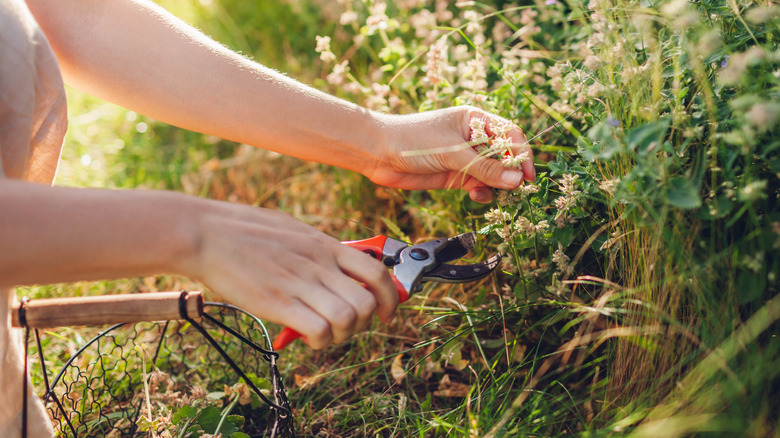
Some perennials like catmint, salvia, veronica, yarrow, and hardy geraniums are re-blooming. This means they'll produce a second flush of flowers later in the season, but only if you give them a post-bloom cut back when the first flush fades. The problem I see most here is that gardeners either skip this entirely, or they just do a light deadheading and think that's enough.
Depending on the perennial, you might need to cut it right down to just above the healthy basal growth, rather than just clipping individual spent stems. For catmint and herbaceous salvias, that often means taking most of the plant back to just a few inches above the crown. With yarrow, you want to cut it back to its basal rosette, and for hardy geraniums, you only want to shear them back by around a third. It really does look severe, but the perennials that do best with this treatment bounce back incredibly fast, and you'll get a really beautiful second flush of blooms.
Treating drought-tolerant perennials as self-sufficient in their first summer

Drought-tolerant perennials are incredibly useful because they help you create a low-maintenance flower garden, especially if you combine that with low-maintenance watering systems. They are not indestructible, though, especially in their first year. Even the most drought-tolerant, low-maintenance perennials that don't generally like a lot of fuss, such as echinacea, rudbeckia, and many ornamental grasses, still require help during their first season. They're only truly drought-tolerant once they are fully established, which can take a year or two.
These plants are generally able to withstand dry conditions, because they have an extensive and deep root system. When they are newly planted, they only have a small, stressed root system and they haven't had time to grow a strong one by the time summer rolls around in their first season. Therefore, you'll need to treat them kindly and provide deep thorough watering during their first year. Depending on the type of plant, you may have to continue watering during year two as well. By year three, most truly drought-tolerant perennials only need supplemental water in extremely hot weather.
Assuming a wilting plant always needs more water
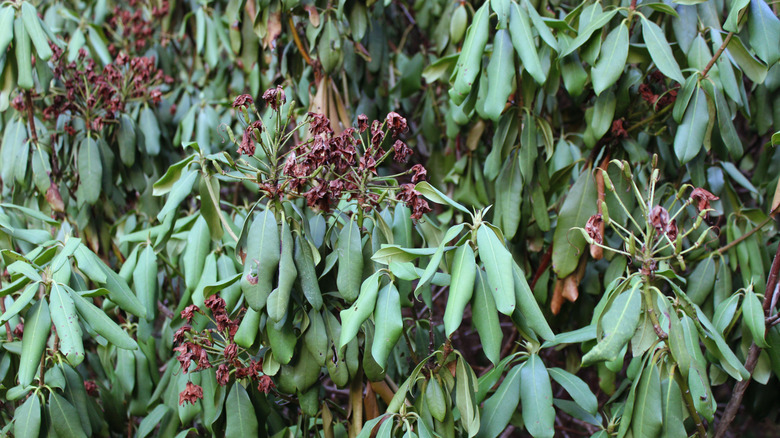
Many gardeners, not just novices, see their perennials start to droop at noon or early afternoon on a hot day, and the first thing they do is rush for the hose pipe. But mid-day wilt is a normal and temporary response to high heat and bright sun. It doesn't automatically mean that the soil is dry or that the plant needs immediate water. Nature's not necessarily crying for your help. The plant is limiting moisture loss through its leaves to cope with the hot, bright conditions. Hence it gets a bit droopy. But it perks back up as temperatures drop in early evening.
If you water during the hottest part of the day because you see that little droop, you can excessively stress the plant. Plus, if you've already watered recently or the plant in question is in heavy or poorly drained soil, adding copious amounts of water just because the plant is looking a bit sorry for itself can cause waterlogging problems and root rot. You're far better off setting up a regular watering system, heading out in the early morning to check how dry the soil is a couple of inches down, and watering deeply where necessary before the heat of the day really sets in. This lets the foliage dry off during the day, without leaving the plant wet overnight, which would encourage fungal disease and pests like slugs.
Fertilizing heat-stressed plants
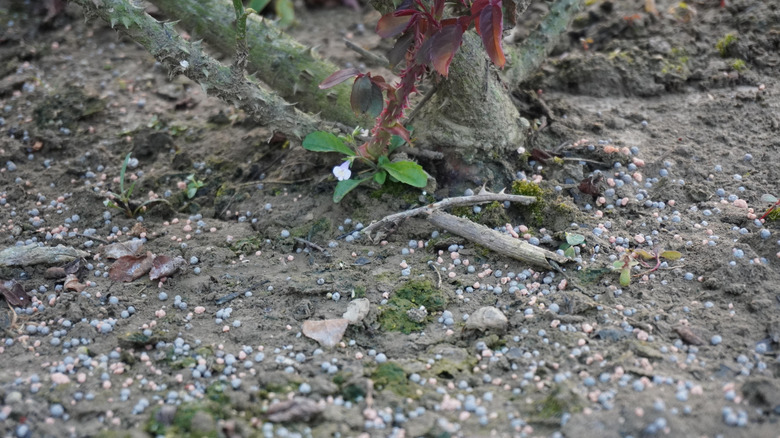
Heat stress can cause your perennials to look a bit worse for wear in a heat wave. Many gardeners see this and try to help their plants along with a quick boost of fertilizer. Don't be one of those gardeners. Forcing a sudden influx of concentrated nutrients onto a plant that's already wilting or showing signs of drought stress, or otherwise is struggling in extreme heat, just causes more problems. The fertilizer further stresses the plant because it encourages it to put off lots of new soft growth. This sudden rapid growth further depletes the already stressed plant's limited energy reserves. Plus, that new delicate floppy growth is extremely vulnerable to heat.
If the mature foliage is already struggling, then the new tender leaves will struggle even more. It scorches easily and causes stress to the wider plant system, including the root, and it certainly does nothing to address the underlying issues, which are usually related to heat and moisture, rather than a nutrient deficiency. The best thing you can do for heat-stressed plant is to give the root zone a nice, thick layer of mulch and to use an olla or a similar ground-level watering setup to help limit the impact of the hot weather.
I only use natural fertilizers, most of which I make myself. Even then, I only apply them in spring when my perennials may need a bit of a boost while the new growth is actively emerging. Then, maybe a light application on re-blooming types after I've cut them back — but only if the temperatures have dropped or leveled out
Cutting off or tying back post-bloom foliage on peonies, daylilies, and spring bloomers
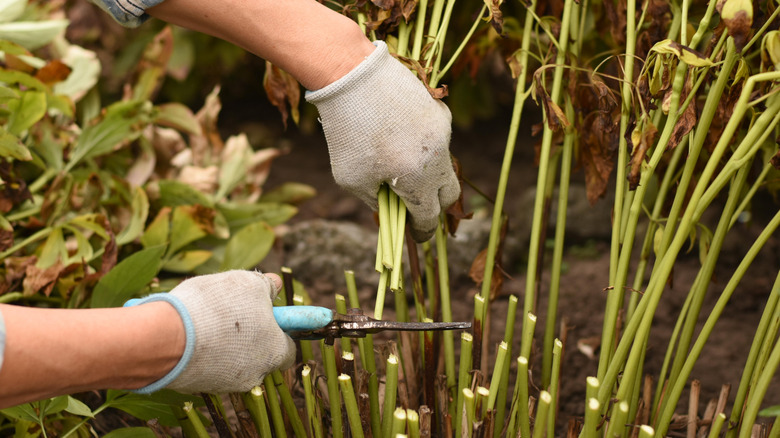
While some perennials look glorious all through summer, some, like peonies, hostas, and daylilies, look awful. By the end of July, the foliage on these plants is battered by rain and heat and has probably started to yellow. Some gardeners dislike this disheveled look, while everything else around those plants is still in its full glory. There's an old-school gardening habit that I wish people would let go of, and that is to remove, braid, or tie back this sad-looking foliage to hide it or minimize its visual impact. This is something that I strongly advise against, because that foliage is still working.
Even if it looks ragged and bedraggled, it's still photosynthesizing and returning energy back to the root system in preparation for the next year. If you remove it or braid and bunch it so tightly that the light can't reach much of the surface, you interrupt that process, weaken the plant, and shorten its lifespan. Leave your foliage until it truly dies back, rather than cutting it off just for the sake of appearances. Peonies, for example, are notorious for reacting badly to being cut back hard in July, as they then frequently produce significantly fewer or smaller blooms the following year. If you're really concerned by the disheveled appearance, then make sure your early-blooming perennials are surrounded by summer-active neighbors that will fill in and mask the fading foliage. Choose things like rudbeckia, helenium, or annual zinnias to hide the untidy foliage without sacrificing the plant's ability to prepare for next year.
Skipping mulch entirely in summer beds
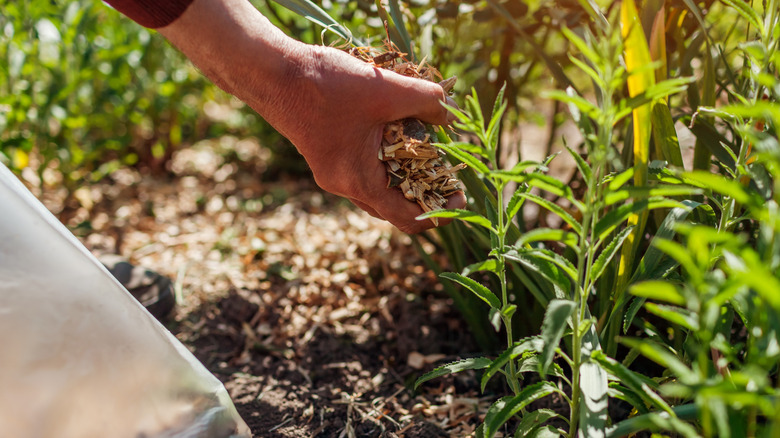
Because I'm a permaculture specialist, I practice interplanting and encourage biodiverse systems in my gardens. So I hate to see bare soil, especially in summer. You leave yourself open to weeds taking hold. Plus the bare soil heats up faster and can scorch roots under direct sun. You're also creating more of a watering burden for yourself, because moisture dissipates far more rapidly. Your "clean" empty soil surface can create root zone temperatures that stress perennials, even if the air temperatures are technically within a tolerable range.
Make sure you provide a 2 to 3-inch layer of organic mulch around the entire root zone. I cover my whole garden bed with mulch, just making sure I pull it back an inch or so from plant stems. Under and around many of my perennials, I use a variety of low-growing, low-maintenance ground covers as living mulches. The best low-growing ground covers bring color, encourage pollinators, suppress weeds, maintain moisture, and lower soil temperatures, and they can't compete with my large mature perennials. If you don't want to go with a living mulch, there are plenty of excellent garden mulches to choose from, including shredded bark, wood chips, straw, pine shavings, and composted leaves. Even if you haven't mulched yet and the summer is already underway, it's not too late. Your perennials will thank you profusely, even if you don't mulch until mid-season.
Not deadheading plants that need it
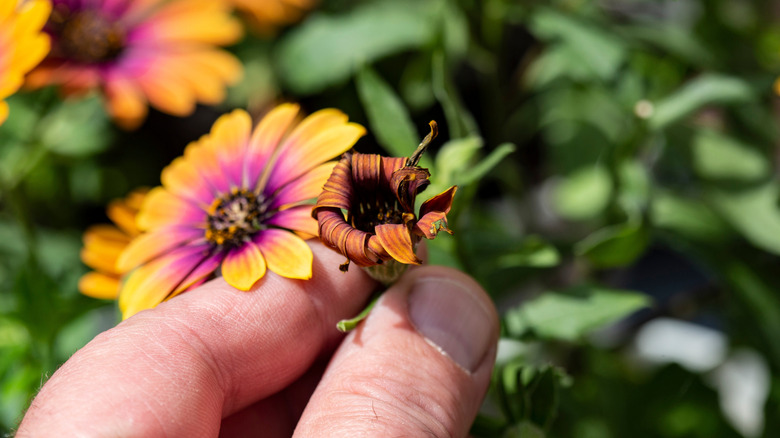
You can extend the blooming season of many perennials by deadheading spent stems. If you don't deadhead those stems, that spent flower signals to the plant that the reproductive cycle is complete and it doesn't need to keep directing energy into flower production. If these plants are left to just run to seed, they will stop producing new buds much faster than ones in the same growing conditions that are being regularly deadheaded.
Keeping blooms coming all through summer on these plants requires regular deadheading, not a single cut back. Even when most home gardeners do this, they don't get it quite right. They either cut the spent stems flush with the ground or just nip off the very top of the flower head. What you actually want to do is cut the spent stem back to just above a healthy leaf node or a visible set of new buds. With coreopsis, for example, this usually means cutting the spent stem about half way down to where it branches. For salvias, on the other hand, you cut spent spikes down to where you can see the lateral buds forming. Try to get in the habit of deadheading around once a week during the peak summer bloom to maximise the flowering season.
Heavy pruning during a heatwave
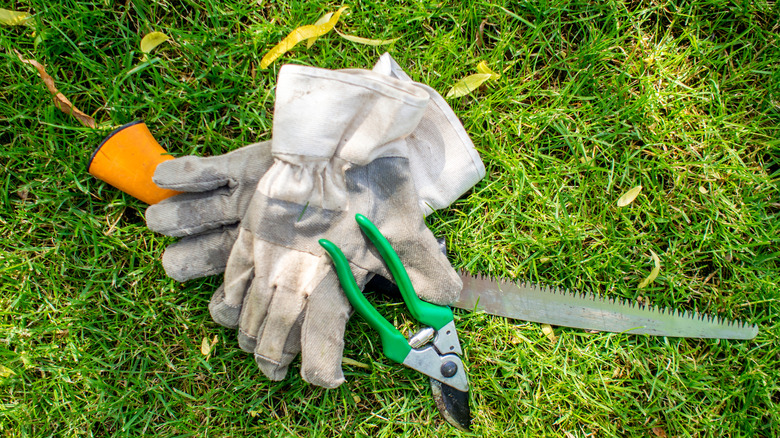
Just as giving too much during the heatwave in terms of fertilizer is a bad idea, taking too much away during a heatwave in the form of heavy pruning is also a recipe for disaster. Perennials need their foliage canopy during a heatwave, because they use it to regulate their own temperature. The canopy provides shade for the root zone, which can help to reduce root stress. Plus, when you cut it back hard, you create the dreaded new growth, which is the exact same issue as you get when you apply fertilizer during the same period.
As I mentioned earlier, that tender growth is the most vulnerable tissue on the plant. It doesn't have time to mature, toughen, and harden, and its cuticle is still thin, so it's at a much higher risk of heat stress than older foliage. You'll end up with stressed new growth that's scorched and curling, and some plants will just stop, conserving their energy, rather than risking it in extreme conditions. Save anything more than a gentle re-blooming cut back for when the weather is cooler and it's more appropriate for seasonal pruning. Some perennials need pruning in April, or even early spring, rather than in the heat of summer.
Dividing perennials in midsummer heat
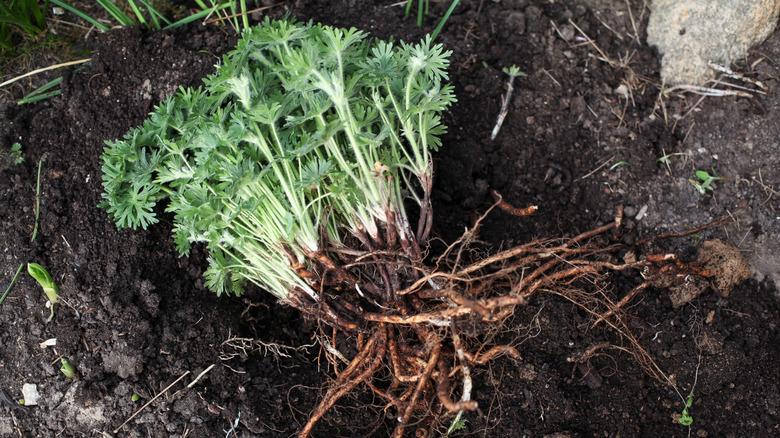
Doing pretty much anything other than the most basic of maintenance to your perennials during the midsummer heat is not a great plan. That's especially true of stressful processes like division. When you divide a perennial, you cut through its root system and separate it into sections. This means that you end up with multiple plants with smaller root masses and fewer stored resources. The whole process is pretty stressful on the plant even in mild spring or late fall conditions.
At least when you do it in spring or fall, the plant has weeks of reasonable weather to recover, heal, and re-establish itself. If you try this in a July heat wave, those freshly severed roots will be trying to re-establish under extremely harsh conditions and are likely to dry out. The failure rate on mid-summer perennial divisions is high, because it's a stressful process combined with stressful growing conditions for what is essentially an immature plant. Even plants that survive often take until the following year to look anything like they should, and they probably will take at least two years to fully establish. If summer division is genuinely unavoidable, then at least wait until the worst of the heat is over and pick the most favorable conditions you can find. A cloudy day after rain with comparatively mild temperatures and a forecast of at least a few days of continued mild temperatures is about the best you'll get. Water the plant deeply the day before you make the division. Make the fewest divisions you possibly can, and do it out of the sun. Get them back in the ground as quickly as possible.
Overcrowding plants and ignoring poor air circulation
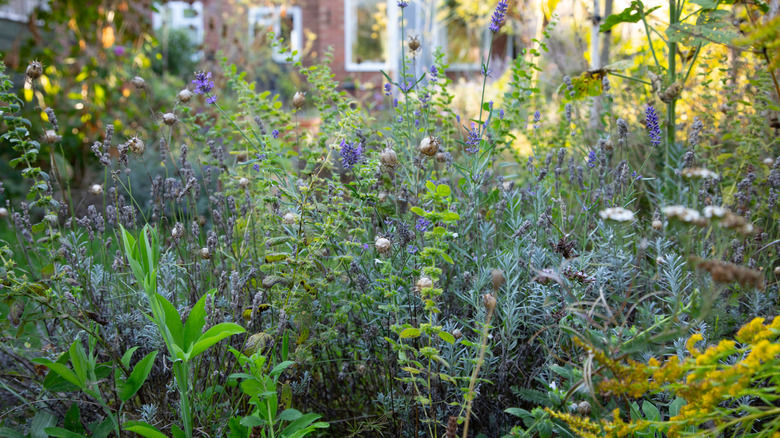
Cramming in as many plants as possible to make the border look fuller sooner is a very common gardening mistake. Initially, your beds and borders will look wonderfully vibrant and full of life. If you've packed plants in too tightly, you've created a dense, humid, stagnant area around the foliage that's the perfect environment for fungal diseases like powdery mildew. While plants like phlox, asters, bee balm, and coreopsis are all particularly sensitive, no perennial is immune. Instead of clean, vibrant foliage, you'll end up with a yellowing mildewed mess.
When you plant perennials, make sure you check the plant label for the recommended spacing. Although the plant is only small when you first get it, it will continue to grow and reach a considerable mature size, so when planting out, you have to plant with the mature size firmly in mind. Some plants get very dense and sort-of overcrowd themselves, and those plants will need some selective interior stems removed during the summer to open them up and allow air flow through to the center of the clump. Never remove more than a third of the stems from the interior of these kinds of perennials, such as bee balm and phlox, at any one time.
Using overhead sprinklers on susceptible plants
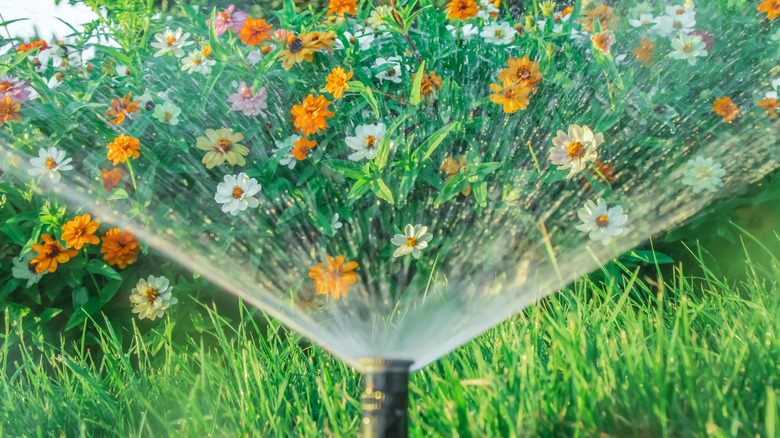
I always recommend using effective low-maintenance watering systems, which tend to water at or below the soil line. However, many people still rely on overhead sprinkler systems. But these wet the foliage much more effectively than they water the ground. Overhead sprinklers leave the leaves wet for many hours, making them susceptible to fungal pathogens. Plus, water quickly evaporates from plant leaves, so the plant's roots don't get the benefit of the water that you've applied.
You're much better off using an olla, a soaker hose, or a buried irrigation line. You can then water deeply right at the root zone without worrying about plant pathogens. If it's your preference, you can still use a timer setup or a smart watering system, you'll just get better results and healthier plants.
Staking too late
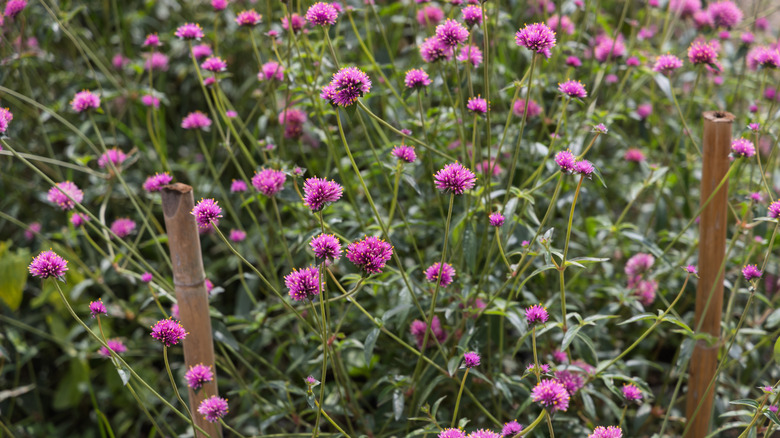
Most people underestimate how damaging staking perennials at the wrong time can be. The purpose of a plant support is to give stems something to lean against or grow through as they develop. This ideally needs to be done when the plants are fairly young. Driving stakes or large supports into the soil around established perennials can cause significant stress and damage to the roots.
If you must do this, your best option is to do it in spring when the plant has plenty of time to recover. If you wait until mid-summer when the plants may have already flopped because they are too heavy or their stems are so tall that they can't support themselves, the support isn't always that effective. Fallen stems that you prop back up rarely truly recover their natural form, and the break point where the bend occurred stays visible. Get your supports in early and, where possible, get the framework for your support in when you initially plant the perennial.
Letting early pest problems go unchecked
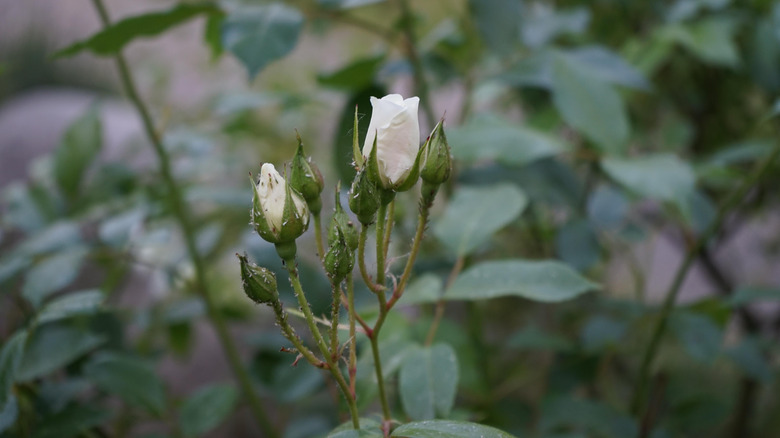
Yes, perennials come back year after year, but pests can still cause significant damage. It's important that you give even your biggest, toughest perennials the occasional once-over to check for the early signs of pests, and, if you see any, take action. Pest colonies can get out of control fast. A small cluster of aphids on a bee balm stem can become a full infestation, devouring and destroying new growth in just a couple of weeks. This is made worse if you spot ants among the aphids, because it implies that you've got ants farming aphids, and they protect the aphid colony from predators.
Spider mites are damaging too, but their early signs are easy to miss. For example, you might see a few stipple marks on hosta foliage in warm, dry conditions and not think there's a problem until the leaves start yellowing and dropping, and suddenly you've got spider mites running everywhere. Whatever the pest that's invading your perennials, the earlier you catch the signs, the easier the problem is to fix.