

A Pear Tree Does More Than Spoil You With Juicy Harvests
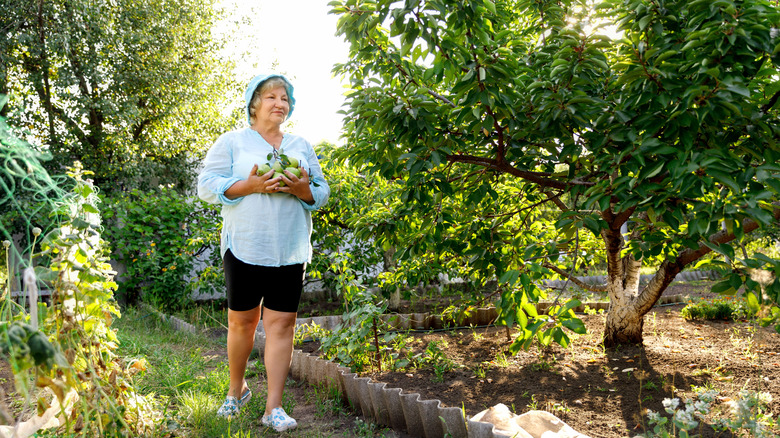
Whether you love them fresh as a tasty snack or poached and served with fresh cream, pears are truly delicious. For gardeners, growing a couple of pear trees in their yard can provide them with a juicy harvest without too much effort. But did you know that pear trees can offer so much more? If you've ever lived with one or more of these trees throughout the seasons, you may know that they can easily add biodiversity, provide a delectable food source for pollinators, and add cooling shade in summer and glorious color in the fall. Can you believe you can get all these benefits from just one tree?
Well, actually, you're going to need two if you want to be spoiled with a bumper juicy harvest, because the blossoms need to be cross-pollinated to develop plenty of fruit. You will find that most of these trees will produce a little fruit without cross-pollination, but not enough to keep most gardeners happy. Of course, once you have an abundance of them, you'll want to know how to test if the pears on your tree are ripe.
This brings us to one of the other benefits provided by a pear tree: nectar and pollen for bees. Pear trees will be covered with gorgeous white blossoms in early spring, and these will draw in the bees in absolute droves. It's a great way to bring more pollinators into your yard and is particularly beneficial, as these flowers may appear much sooner than others in your garden, providing a much-needed early food source.
A pear tree adds biodiversity to your garden
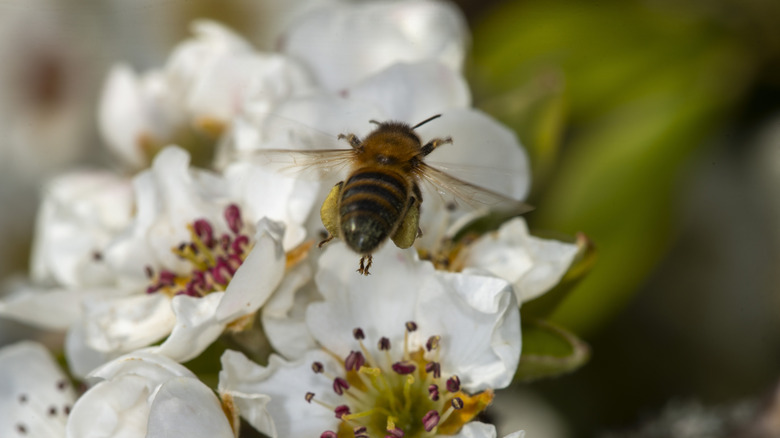
Throughout the year, you'll find that a pear tree will be a benefit to many living creatures besides providing you with scrumptious fruit. The fruits higher up in the tree will be a welcome sight for many different bird species that will happily feast on them. This may cause some of the pears to drop to the ground, and these will be enjoyed by any small mammals that visit your yard, as well as ground foragers like blackbirds. In addition, the foliage-covered branches provide excellent cover for resting and nesting birds. Of course, apart from bees, other pollinators, like wasps, will happily visit the flowers when the tree is in bloom.
Apart from all of these benefits, pear trees are also quite visually pleasing right through the year, starting with those stunning blossoms that herald in the spring. Following these are the masses of green leaves, which will provide you with some welcome cooling shade in summer. You can grab a comfy chair and a cool drink and sit under the pear tree with a good book in perfect comfort. Then, as the seasons change again, the leaves start to turn to glorious shades of yellow, red, and orange, before they drop to the ground, providing a colorful carpet for you to rake up and add to the compost. Of course, when winter rolls around, you're left with bare branches that let the sunshine through just when you need a little cheering up. Now that you know how great pear trees are, you might want to explore a few different types of flowering pear trees that are good for any garden.