

Forget Weed Barriers: Keep Weeds Out Of Your Gravel Garden Beds Using Herbs Instead
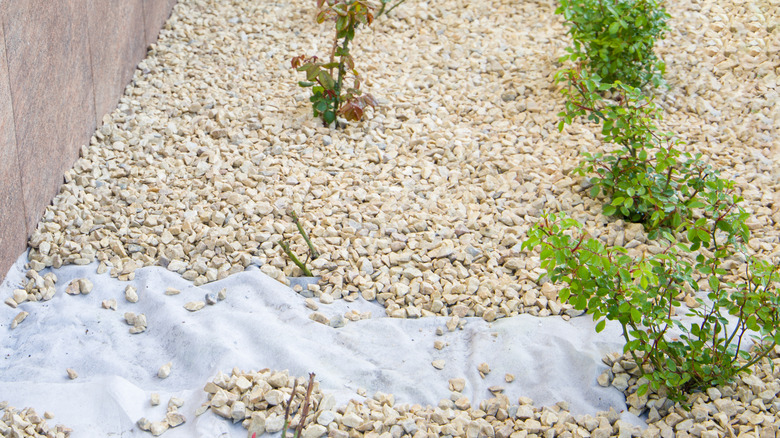
So you've decided to jump on the garden trend that's gaining popularity and xeriscape your yard. For this, you've chosen to top your garden beds with gravel. Before you get into those landscaping chores, you might be undecided as to what you want to use to prevent too many pesky weeds from popping up so that you can enjoy your garden rather than having to work in it constantly. Although weed barriers like landscape fabric might have been a consideration, there's actually a better option – growing herbs.
There are downsides to using landscape fabric, even though it may do a reasonable job of suppressing weeds in the beginning. It will eventually degrade, and you might end up pulling up bits when the weeds start to come through. You'll also find that some of these weed barriers aren't very permeable, and the soil underneath could still be dry even after a nice, soaking rain. This can harm the soil structure, making poor soils even worse and reducing the vitality of the plants you have growing in your gravel garden beds. Other possible weed barriers like cardboard or newspaper will also work well in the beginning, but they break down fairly quickly, reducing their effectiveness. Herbs, on the other hand, can easily and quickly cover the ground and prevent weed seeds from germinating. Choosing the right ones that will happily grow in these conditions will keep your garden weed-free and looking lovely.
Choosing the right herbs to keep weeds at bay
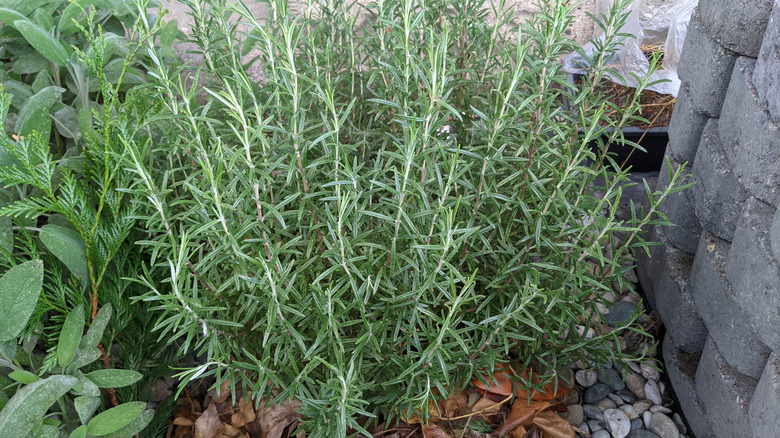
There are plenty of easy-to-grow herbs that are perfect for your gravel garden beds, but generally you want to select Mediterranean ones that fully appreciate excellent drainage and don't need an abundance of water. And for these to also suppress as much weed growth as possible, you'll want herbs that grow quite dense and cover the ground fully so that any weed seeds that are in the soil don't get the sun that they need to germinate. While the gravel mulch can help to suppress weeds to a degree, weed seeds can still blow in, settle on the gravel, and germinate, as a lot of weeds are fairly hardy and opportunistic. Therefore, planting a dense cover of herbs means there's no space for weeds to get established.
Herbs that can grow happily in a gravel garden bed include rosemary (USDA hardiness zones 8 through 10), oregano (zones 3 through 10), and creeping thyme (zones 5 through 8). Rosemary grows as a dense shrub and can even be pruned into a hedge, while oregano and creeping thyme are low-growing plants that can quickly cover the ground. Other herbs you can add to the mix include marjoram, chives, lavender, parsley, sage, and Roman chamomile. All of these herbs hail from temperate regions that typically have rocky soils, and thus need excellent drainage, which gravel provides. Most are also quite dense in growth, which means that they'll form a nice mat over the gravel to prevent those pesky weeds from taking hold.