

Not Brick, Not Concrete: How People Are Turning Plastic Waste Into Beautiful Pavers
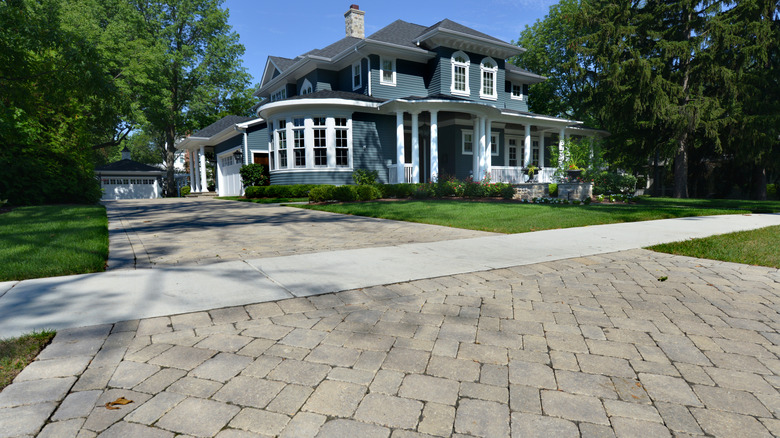
Brick and concrete pavers are both popular choices, but each has its drawbacks. While bricks are eco-friendly, made with natural material and no chemical additives, the color range is limited. It also takes skill to install them properly, so costs can be high. On the other hand, while concrete pavers are affordable and easy to work with, according to Fair Planet, the material itself is responsible for more environmentally damaging carbon emissions than most countries. Some people are taking a different approach, turning recycled plastic into pavers that are durable, beautiful, and better for the planet.
Permeable pavers, essentially recycled plastic grids that can be filled with gravel, have been available for some time and are one of the trending driveway materials that can give an upscale look. Now some enterprising companies are producing solid slabs that mimic traditional brick or concrete pavers. The variety of approaches can be as interesting as the range of products.
Around the world, small-scale factories are mixing molten waste plastic with sand and compressing it into pavers and cobblestones. It's important they use the right plastic because some, like PVC, can release toxic fumes. However, there are alternatives.
Plastic recycling for paver production in North America
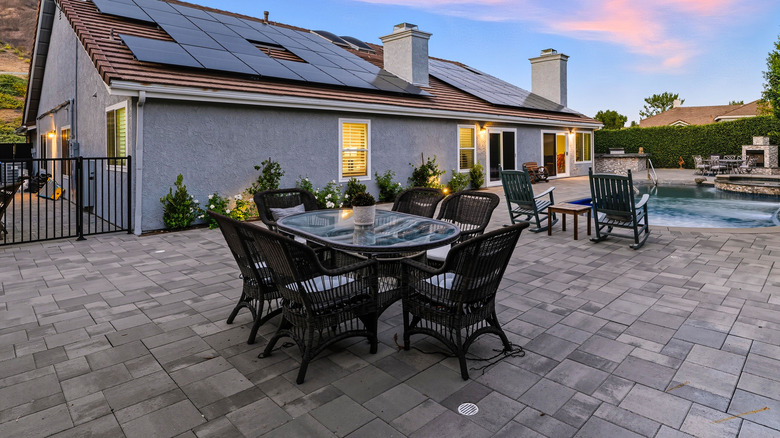
If you've been thinking about stylish ideas for your perfect patio, then companies in both America and Canada produce pavers made from recycled plastics. Some seem to be quite guarded about their manufacturing process, simply saying that their pavers are 100% post-consumer plastic waste. Others are more forthcoming, mixing shredded plastic with pulverized glass, melting the two together and forcing them through an extruder.
The resulting pavers claim to have a number of advantages beyond being eco-friendly, though it's important to check specifications carefully. In general, they offer high durability and shouldn't chip or crumble like concrete. Maintenance is seldom more than giving them a quick wash. Some can be strong enough for driveway use, but others may only support foot traffic.
The industry is growing, but still relatively undeveloped. So unfortunately, tracking down recycled plastic pavers is nothing like as easy as popping into your local big box store for the concrete equivalent. Nevertheless, for the ecologically aware homeowner, they offer a sustainable alternative to traditional pavers for creating impressive driveways and patios that can turn your backyard into an oasis of calm.