

Not Copper Nor Coffee Grounds: Use This Bathroom Staple To Help Deter Snails And Slugs
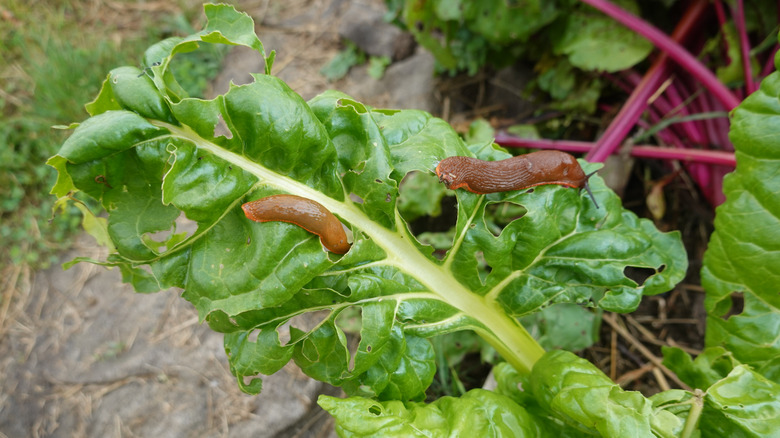
If you are dealing with snails or slugs in your garden, you've likely been wracking your brain (and searching the internet) for a solution that actually works to stop them from destroying your plants. Unfortunately, there are a lot of popular garden myths about deterring slugs, so it can be tough to separate fact from fiction when looking for solutions online.
Fortunately, at least one home remedy that you might come across can actually work in some situations. Petroleum jelly, perhaps better known by the brand name Vaseline, can create a slippery barrier that slows down these nighttime pests. By applying a generous layer along the entire rim of a pot or raised bed, you can create a slippery barrier that slugs will struggle to cross.
While petroleum jelly can work, it's important to use the method correctly and in the right situations. For areas in your garden where there is nothing to apply the petroleum jelly to, for example, you will need to try other organic methods to get rid of slugs and snails.
How to use petroleum jelly to deter snails and slugs
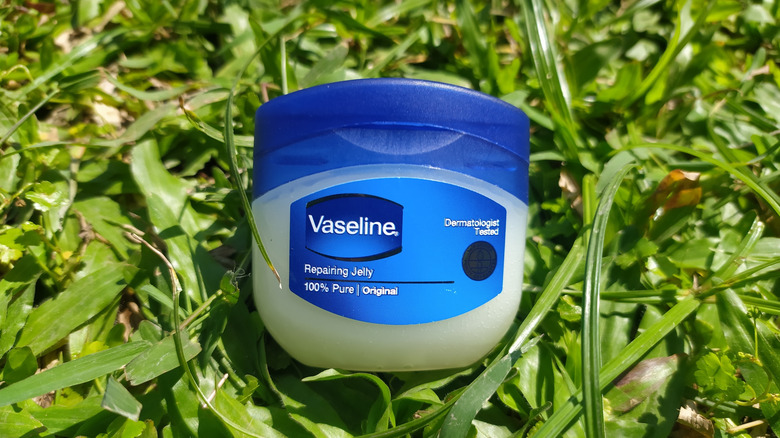
The technique for using petroleum jelly to deter snails and slugs is simple. You simply smear a generous layer of the oil-based product across the lip of a plant pot or the top edge of a raised garden bed. Make sure the layer is fairly thick and that there are no gaps or breaks in the slimy perimeter you've created. Otherwise, the pests will just sneak right past your barrier through those breaks or thinner areas.
While it's one of the safer, nontoxic alternatives to pesticides, this method won't work as well for in-ground plants where there's no edging to apply the petroleum jelly to or where pests can easily bypass the barrier altogether. Instead, it works best for your potted plants or raised beds where you can apply a thick layer of petroleum jelly around the entire perimeter. It's also something you'll need to reapply regularly as rain and weather degrade the barrier.
With that said, when paired with other deterrent and management techniques, it may be a cheap and easy way to slow down snails and slugs enough that any damage your plants do suffer is minor enough that they'll be able to recover. Even if all you do is slow down feeding rates, the plant might look a little worse for wear if the occasional slug still makes its way through the barrier, but the damage likely won't affect its long-term health.
How to deter snails and slugs elsewhere in your garden
Whether you have in-ground plants you want to protect where petroleum jelly might not work, or you just want to take a more comprehensive approach to controlling snails and slugs in your garden, it's better to pair the petroleum jelly method with other management techniques. To minimize snail and slug damage in the rest of your garden, a few simple changes to your gardening routine may be enough to do the trick.
For example, don't water your lawn or garden beds in the evening. The best time of day to water your lawn is early morning anyway. Since snails and slugs typically come out in the evening, watering earlier allows the moisture to absorb into the soil or evaporate off of other surfaces throughout the day. Come nightfall, your garden won't be the damp, dark paradise slugs are looking for.
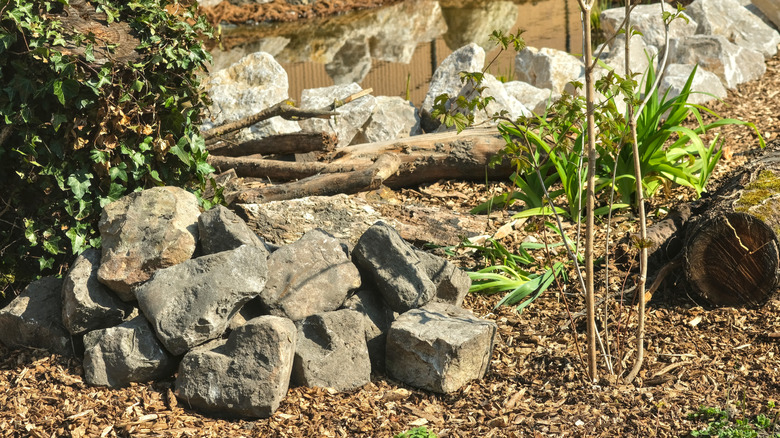
You can also minimize slug damage by attracting their predators to your garden. Lots of birds, frogs, reptiles, and even other insects will gladly feast on the slugs and snails. By creating habitat for those predators, you can restore some balance to the ecosystem. The best habitat to create depends on which predator you're trying to attract. Something as simple as adding a decorative pile of logs or large rocks to a back corner in your yard can create the ideal habitat for reptiles.