

Why There's Simply No Need For Traditional Landscape Fabric Anymore
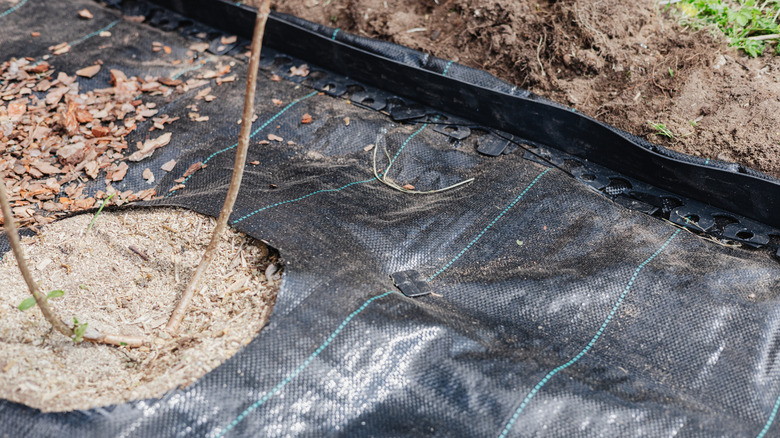
Does it feel like your garden beds are plagued with weeds year after year? If so, you may have been tempted to opt for some heavy-duty landscape fabric to keep them down once and for all. However, before you go all in on this option, you may just want to consider the many downsides to using landscape fabric in your yard or garden and what alternatives may be available instead.
Landscape fabric can be effective for smothering weeds for a year or two in certain situations. However, it is not actually a great option in the long term for a variety of different reasons. First, while the fabric blocks weeds growing up from underneath, it is still vulnerable to new weed seeds being blown on top of it, creating a hotbed setting for them to germinate above it. In addition, many hardy weeds can also either push their way through the fabric or find their way around it through gaps or open edges. Also, landscape fabric blocks any organic materials that fall on top of it — such as leaves — from reaching the soil underneath. This prevents those materials from decomposing into the soil, impacting its overall health.
As a result of these concerning downsides, plenty of other options have been put forward as effective — and far more natural — alternatives, meaning there simply isn't a need to use the traditional landscape fabric any longer. So, let's take a look at some of the most popular alternatives and, crucially, why they may be the better option for your garden both in the short and the long term.
Alternatives to landscape fabric
If you are still looking for something with a good amount of coverage, why not opt for burlap? This material works to suppress weeds, but unlike landscaping fabric, it is permeable. This means that the soil is still able to interact with the air, water, and nutrients released from organic materials sitting on top. For the most environmentally friendly option, look for burlap from your local area, as this cuts down on the carbon emissions required to ship it long distances.
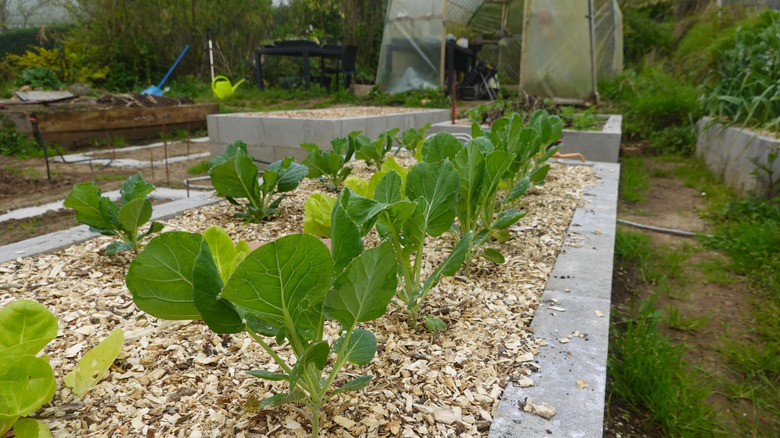
Alternatively, you could look into wood chips. This material is widely available and often comes with eco-friendly dyes that make it perfect for a gorgeous backyard design. A layer of wood chips will not only help to suppress weeds, but it will also help to hold moisture in the soil and keep it cool on hot, dry days. Keep in mind that, because wood chips are organic, they will break down over time. While this does help improve the health of the soil, it means that you will likely need to top it off every once in a while to ensure it looks nice and works as effective weed control.
Finally, another natural alternative to landscape fabric is planting ground cover. These quick-growing plants inhabit the area where weeds may sprout, starving them of soil and sunlight. Look for the best ground covers to plant for your area that aren't too aggressive, as these can be harder to control and maintain.