

Skip Traditional Weed Barriers: Amazon Has A Biodegradable Option For Your Yard
We may receive a commission on purchases made from links.
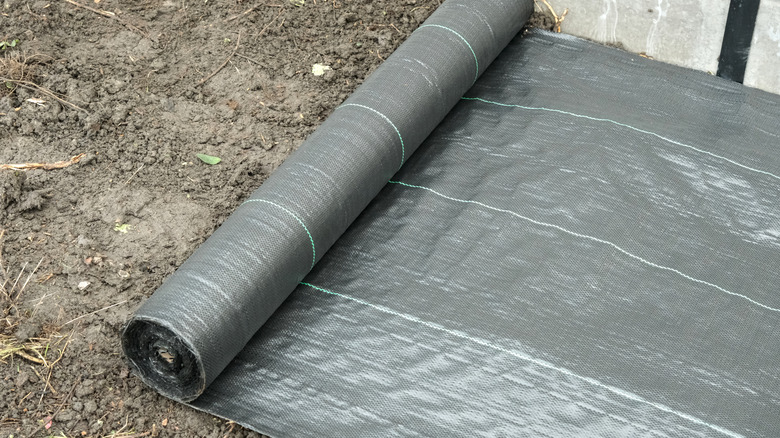
As gardeners, we're constantly burying materials in the soil. Whether it's logs and sticks decomposing in our hugelkultur garden or the compost underneath our rose bushes, everything we put in has a lifespan. That is, until you start talking about weed fabrics and plastic barriers. Landscape fabric is only effective for a matter of years, but how long does it take before you stop finding pieces of it in the ground? With those challenges in mind, if you love the way weed blockers work, you might be interested in a paper barrier that performs the same weed-blocking duty but breaks down into the soil instead of becoming a future chore.
The AGEGOMIC Biodegradable Weed Barrier from Amazon is a paper weed barrier that disappears into the soil instead of lingering for decades or requiring cleanup after a few short years. It feeds microbes and other soil life while adding organic matter to your soil, unlike weed fabrics, which contribute nothing. Traditional weed fabrics are high-maintenance, because the roots of your plants and shrubs eventually become embedded in them, along with weeds, and everything turns into a giant mess. When you try to clean it up, you end up damaging the roots of your plants. Plastic is even worse because it can prevent moisture from reaching the soil. Paper mulch like this biodegradable weed barrier has performed well in trials, so let's look at how to install it and where it works best.
How to lay down paper mulch
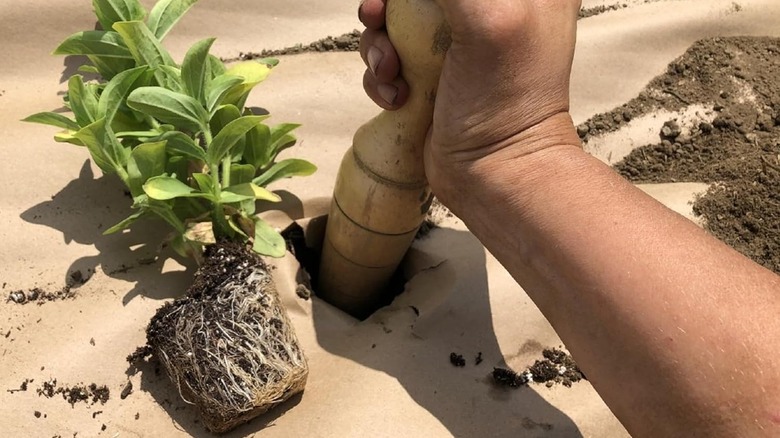
With only 52 reviews on Amazon, the AGEGOMIC weed barrier is earning 4.1 out of 5 stars. WThe reviews are worth reading because they offer useful insights into what not to do when installing paper mulch. The methods are slightly different from traditional weed fabric. The product listing has step-by-step instructions with images, showing how to roll it out in rows and cut it to size, and there are pre-printed guidelines that make this easier. Then cover it with a light layer of mulch or topsoil and wet it so it doesn't blow away. You can also secure it with rocks or use these GreenStake 4-Inch Biodegradable Garden Stakes from Amazon.
Once it's installed, puncture holes for your seeds or bedding plants. It cuts more easily with a utility knife or scissors than landscape fabric does. After planting, cover the paper mulch with 2 to 3 inches of an organic mulch such as bark. This combination works best because the bark keeps the paper in place while the paper effectively blocks any young weeds from coming up after they germinate. If you're using it without mulch, you may have to bury the loose edges from time to time to prevent pieces from catching the wind and blowing away. Eventually, it breaks down into the soil over the course of a year or so. (This can be faster if your soil has a healthy biome for breaking down organic materials.)
Where paper mulch shines (& where it doesn't)
One review for this biodegradable paper mulch mentioned that the paper mulch deteriorated too quickly, but that's actually a feature, not a bug. Paper mulch is designed to deteriorate, unlike traditional weed fabrics, so where you use it has to match that feature. Many of the drawbacks people mention stem from treating paper mulch like regular weed fabric. When it's used for the wrong purpose, the results usually aren't very good. For example, although the product listing recommends using it for gravel roads, permanent installations like driveways and paths are not the ideal use cases for paper mulch. (Also, there's actually a better solution for gravel driveways that skips weed barriers altogether.)
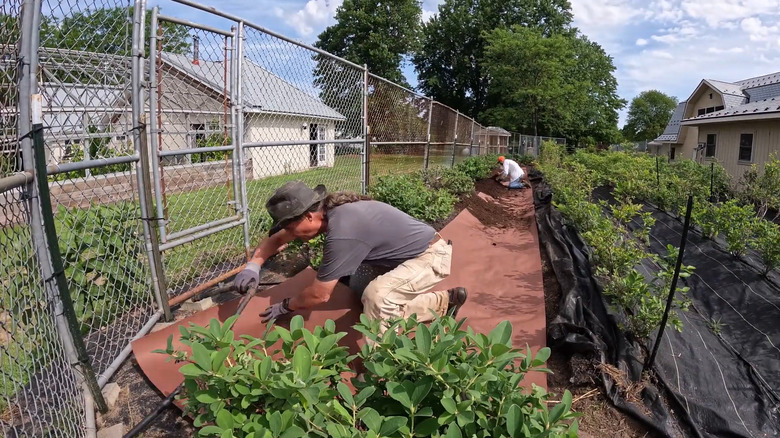
The best fits for paper mulch include vegetable gardens, annual beds, and greenhouses — really anywhere that beds are disturbed every year. Another bonus is that there are no seeds in this mulch. If you've ever purchased "weed free" bales of straw that contain viable grain seeds, you understand how important this is. You may have tried getting rid of weeds with a cardboard box hack or using newspapers as mulch in your garden. This product offers similar benefits, but you don't have to worry about packing tape, box staples, or ink. A 4-by-100-foot roll costs $58.99, making it a good value considering the time it can save, and there are several size options available depending on how much coverage you need.