

What Is The Average Lifespan Of Asphalt Shingle Roofing?
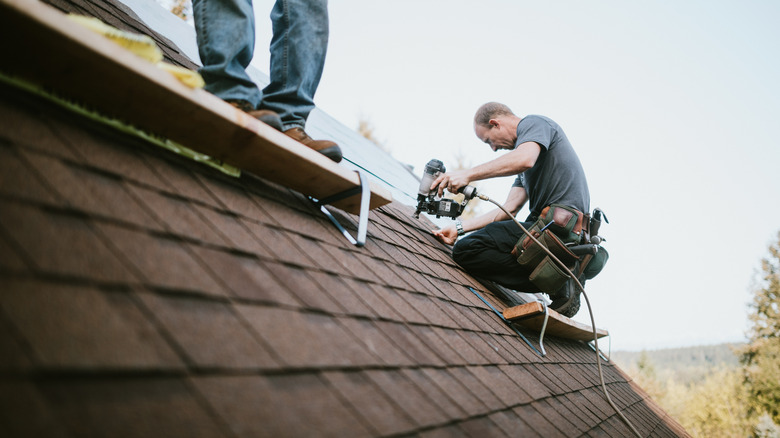
Picking the best roof for your home is a major decision for any property owner, and replacing a roof is easily one of the most significant investments a homeowner will ever make. If you're lucky, you'll only need to do this expensive home improvement project once or twice over the span of your homeownership journey. While a standard asphalt shingle roof is generally expected to last anywhere from 15 to 30 years, that window is far from a guarantee. In reality, a mix of regional weather patterns, the kind of shingle you choose, and even the hidden airflow inside your attic can silently fast-track your roof toward early retirement.
Asphalt roofing comes in three primary shingle types: traditional 3-tab, architectural, and luxury shingles. Traditional 3-tab asphalt shingles are thin and lightweight. Because of this, they are the most prone to blowing off in high winds and wearing down quickly, lasting an average of 15 to 25 years. Architectural shingles are the modern standard for most homes. These are layered and at least twice as thick as 3-tab shingles, giving them a textured, 3D look. They offer much better wind resistance and tolerance to severe weather — you can expect an average lifespan of 20 to 50 years.
Luxury asphalt shingles (sometimes called premium shingles) are the high-end heavyweights designed to mimic the look of slate or wood shakes. They offer maximum impact resistance against hail and the thickest waterproofing layer. These can typically survive 35 to 50-plus years before they need to be replaced, depending on your location. No matter which option you choose, be sure to use common solutions to help prevent shingle damage (such as installing roofing strips to prevent moss) to have the longest-lasting roof possible.
What are the signs of an aging asphalt shingle roof?
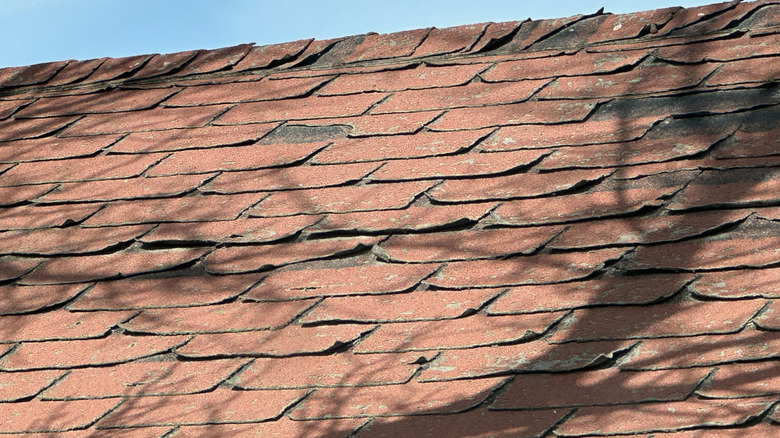
When the years start stacking up on your home, there are clear signs your roof needs replacing ASAP. As the volatile oils in the asphalt dry out over time, shingles become brittle and highly vulnerable to the elements. For homeowners trying to gauge if a replacement is imminent, there are some visual and structural warning signs that a roof is past its prime. First, as shingles dry out, their edges warp, leaving the roof highly vulnerable to wind uplift and driving rain.
The sand-like ceramic granules on shingles protect the underlying asphalt from UV damage. As the adhesive bed fails, these granules shed into gutters and downspouts, leaving behind bald, dark patches exposed directly to the sun. You'll also start to see moss and algae growth take hold in shaded or moisture-heavy sections of the roof. While dark algae streaks are mostly cosmetic, thick green moss is a structural hazard. Perhaps the most alarming sign of severe, hidden damage is a spongy decking. A failing roof eventually impacts the underlying structure. If the roof feels soft, bouncy, or spongy underfoot, moisture has already bypassed the shingles and is actively rotting the plywood decking below.
If you're unsure about the age of your roof, you don't necessarily have to play a guessing game. A great rule of thumb is to look at your neighbor's roof. Because subdivisions are typically built simultaneously, a wave of neighborhood roof replacements is a sign that yours is likely next. You can also check your home's closing documents or contact your local building department to see when the last roofing permit was pulled for your address.