

Ditch Fans And AC: The Eco-Friendly Patio Alternative That Looks Good & Keeps Cool
We may receive a commission on purchases made from links.
While we most often see mid-century modern pieces indoors today, breeze block is an exception. These perforated bricks, featuring patterns reminiscent of quilt squares or folk art tiles, create a durable, decorative screen when mortared together. They were a common sight on homes built in the 1950s and 1960s. Today, breeze blocks are making a noticeable comeback, offering homeowners a way to beautify the exterior of their homes in a unique way, along with a way to save money on cooling.
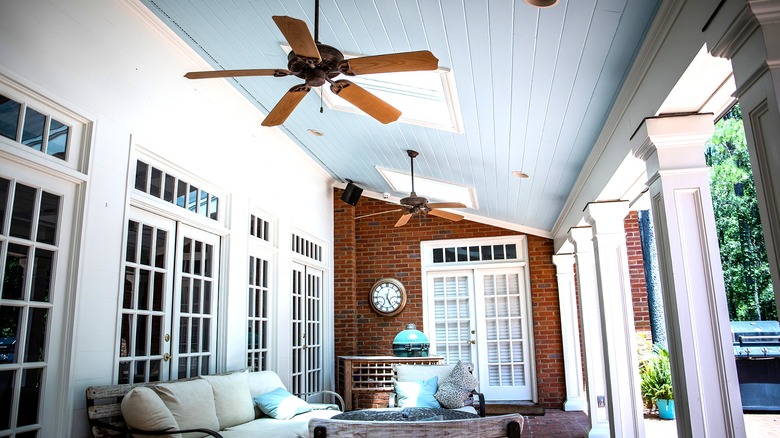
On a really sweltering day, a few fans or an air-conditioning unit can make hanging out in our cozy outdoor living rooms more bearable. But their energy needs can make these cooling methods less than ideal, especially when the cooled air disperses so quickly away from their targeted areas. A breeze block screen, on the other hand, requires no energy; and it can not only block the sun's direct rays – while letting light through — but it'll also allow for air to flow, rather than for the air to meet with a solid wall.
In addition to being a source of passive cooling, though, breeze blocks (or screen blocks) are light on the planet in other ways, too, as the blocks are also sustainable, and have been. Original breeze blocks from decades ago were produced with recycled materials, such as fly ash, that would otherwise go to waste.
Jumping on the breeze block bandwagon
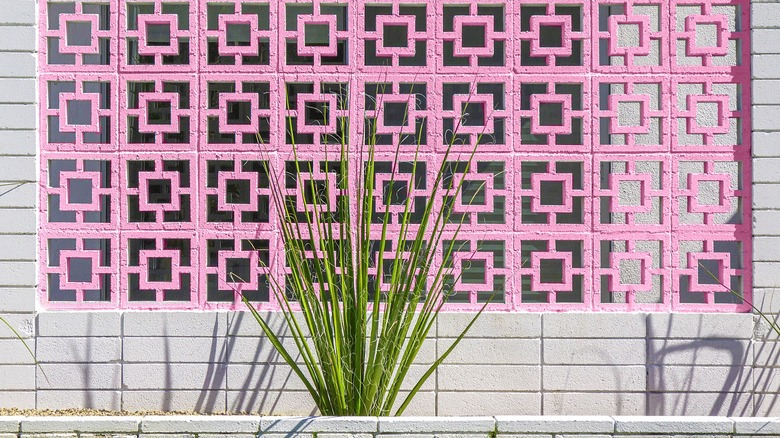
Breeze blocks have been on the architectural back burner (or, maybe even back in the pantry) for over 50 years. However, with rising energy prices and environmental concerns about fossil fuel-based power, it's time to get reacquainted with these geometric, symmetrical building materials.
A smartly situated wall of breeze blocks near your patio can take the brunt of the sun's heat while keeping it off you and letting air flow through. Although typically seen in walls, breeze blocks can also be joined together to become a horizontal shade similar to a pergola. Breeze blocks are also ideal for building a masonry fence in your backyard. Compared to other concrete-based building materials, breeze blocks are relatively lighter in weight.
Since breeze blocks have been out of the limelight for many decades, they can be a bit tough to purchase. Architectural salvage outlets and places like the Habitat ReStore are possible sources, but don't count on local big-box DIY stores for a good supply of blocks. There are craftspeople who sell high-end breeze blocks (mainly online), but expect to part with a hefty sum to buy enough for a wall.
At Amazon, meanwhile, you can find low-priced breeze block molds; this makes it feasible to buy more than one mold to help improve the efficiency of homemade blocks. Available screen block molds include popular mid-century patterns, like this LCMOLDS Windmill Breeze Brick Concrete Mold, or this appealing two-pack of Colingmill Concrete Molds that sport a square design.