

Not Basil: The Popular, Sweet-Smelling Herb That Pollinators Love
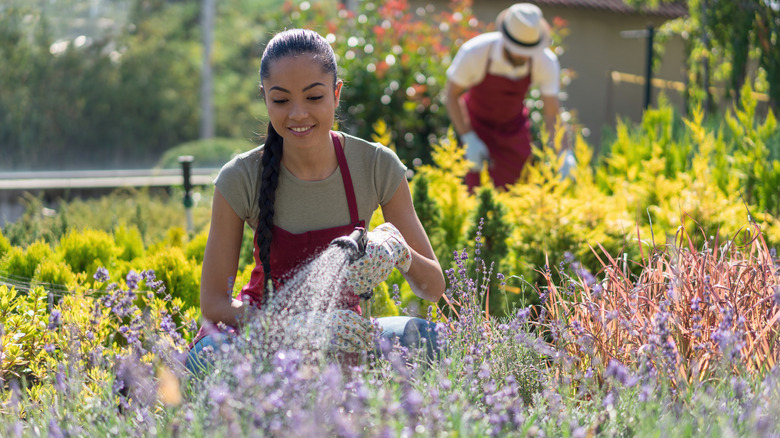
Few things add romance to a yard quite like a billowing, purple patch of spiky lavender, with its sweet smell wafting into the house and bees and butterflies hovering about its flowers. It may surprise you to learn that this Mediterranean herb can be grown in many other climates, from New England to Texas, as long as you choose the right type and respect its preferred growing conditions.
Lavender is well-known as a pollinator-attracting plant, drawing butterflies, moths, and especially bees. This fragrant herb is shrublike, bearing many stems on which about six to 10 small blossoms sit atop silvery gray leaves. Both the leaves and the flowers are intensely fragrant. The overall size depends on the type and cultivar you're growing. English lavender (Lavandula angustifolia), for example, typically grows about 2 to 3 feet high and 3 to 4 feet wide.
It's important to choose the best lavender plant variety option for your home's climate. In the U.S., the most popular lavender to grow is English lavender, in part because it grows in a wider range of climates. This type is also prized as a culinary and aromatic herb, making it useful for everything from teas to sachets. English lavender is perennial in USDA Hardiness Zones 5 to 10. French lavender (L. dentata) is an option for those living in Zones 8 to 11, although it doesn't have culinary properties. Spanish lavender (L. stoechas) is better suited to humid weather, especially those located in zones 8 and 9, and a hybrid known as lavandin (Lavandula x intermedia) is hardy in Zones 5 to 8.
For extra bee visits, consider the hybrid known as lavandin
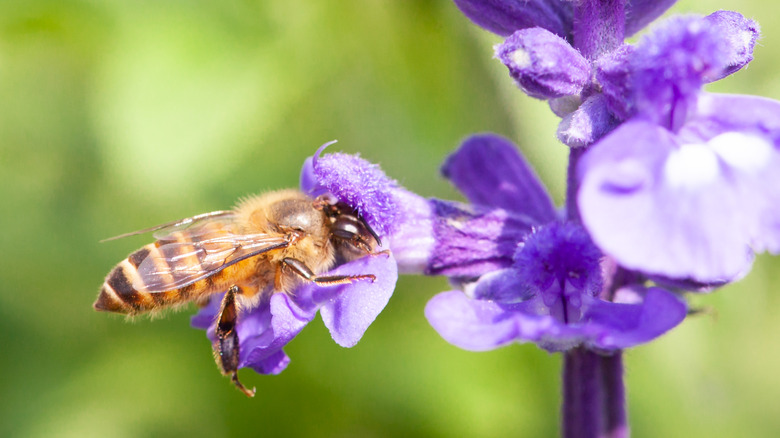
If you're interested in going beyond "true" lavenders, consider hybrids. A study published in Functional Ecology found that lavandin (Lavandula × intermedia) attracted four times as many pollinators as other popular types of lavender or lavender hybrids.
Lavandin is a cross between English and Portuguese lavenders. It can reach a mound of up to 4 feet, and it is intensely fragrant. Another advantage is that it lasts longer into autumn than other lavender varieties. Lavandin is hardy in USDA Zones 5 to 8. The cultivar with the strongest fragrance is 'Grosso,' but if you're concerned about humidity, try the 'Provence' cultivar.
But what if you're out of lavandin's growing zone, or simply prefer English, French, or Spanish lavender? Don't worry that your garden won't be buzzing with bees and other pollinators, according to Professor Dave Goulson, director of the Bumblebee Conservation Fund. "Although hard data comparing different lavender varieties is limited, all lavender cultivars and species are pretty good for attracting bees, particularly bumblebees, so there are no bad choices," Goulson stressed in an interview with the Royal Horticultural Society.
Give all lavender types plenty of sun and chalky, well-drained soil
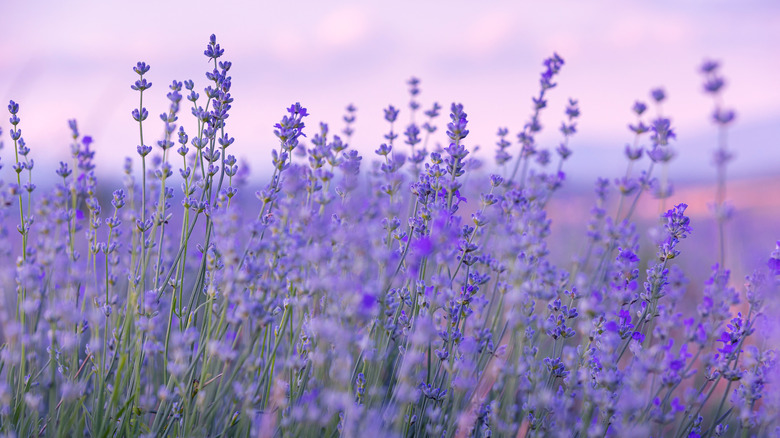
There are a few crucial things to know before planting lavender or hybrids like lavandin, which has the same basic growing conditions. Given that the fragrant herb hails from the Mediterranean region, it's not surprising that approximating those sunny, dry growing conditions will get your own lavender off to the best start. Choose an unshaded patch in well-drained soil. Drainage is critical for lavender, which detests wet roots, especially in climates with cold winters. Consider adding sand to improve drainage, if necessary. Check your cultivar's label for spacing recommendations, which will generally be between 12 and 36 inches — although some lavandins, which tend to be larger, might require up to 6 feet!
The fragrant herb prefers alkaline soil. Adding lime to your future lavender patch will raise the soil pH. The amount you need will be based on the size of the garden bed and on your current pH level, which you can determine through a home kit. Make sure the area is well-drained and not overly-fertilized; sandy and non-rich soil is even better. A rock garden is ideal for shorter lavender cultivars.
Don't make the mistake of pruning lavender at the wrong time. A light pruning after its initial bloom can encourage new flowering during the growing season. This gentle trim to remove spent flowers is all that's needed for this type of pruning. Every two or three years, however, the shrubby herb benefits from a heavier clipping in the spring to help keep it from looking weedy. For this heavier prune, cut the woody branches back to roughly 6 inches in height.