

No More Roses: The Pink, Fresh-Smelling Flower For Your Garden
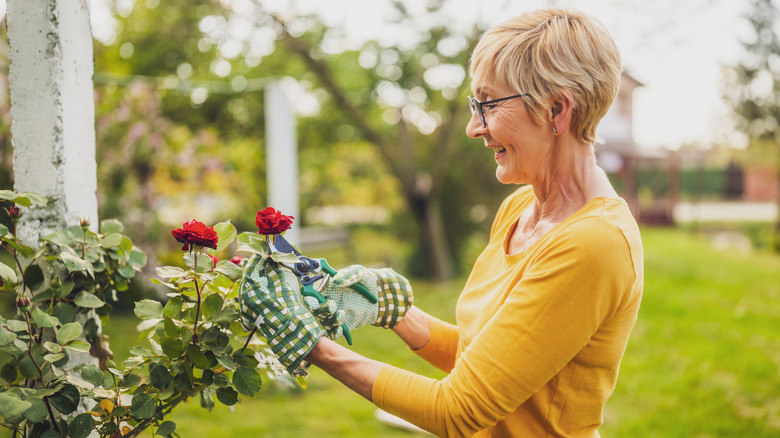
Roses are undeniably beautiful, and they help bring real character and romance to gothic, cottage-style, traditional, and even ultra-modern outdoor spaces. They are not low-maintenance, however, and they ask a lot in return for their beauty and fragrance. As a master gardener with two decades of experience, I appreciate the appearance, history, and scent of roses, but I'm also a permaculture specialist who likes low-maintenance, self-sufficient plants and gardens. Roses need a lot of coddling: Aphids feast on their new growth, rose cane borers show up in fall, and black spot infects them in humid conditions. They need lots of nutrition, and if you don't prune them correctly or on time, you can end up with a tangled mess of a thicket with bare woody cane bases and sparse foliage.
One of my favorite fragrant, romantic alternatives to roses is naked lady or belladonna lily (Amaryllis belladonna). These bulbous perennials get their name from their odd growth habit. In spring, the bulbs produce strap-shaped leaves that die back completely by early summer. Then, a few weeks later, bare flower stalks rise out of the empty ground, devoid of all foliage, and produce flower umbels. The trumpet-shaped flowers open in late summer. Each bare stalk carries a cluster of up to a dozen soft pink, intensely fragrant flowers. While they don't look anything like roses, they are much more low-maintenance and still give that slightly romantic effect. Plus, they are wonderfully fragrant, so you won't miss the lack of rose scent if you replace them with belladonna lilies.
How to grow naked lady in your garden
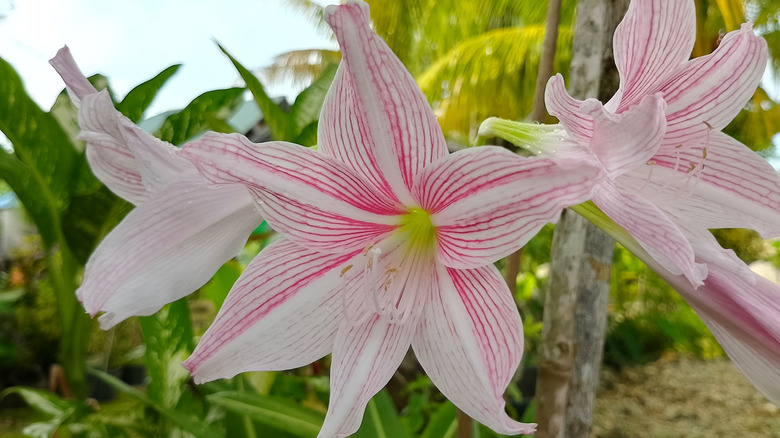
These plants don't require too much fuss or mollycoddling, which is why they are a great alternative to roses. Naked lady is hardy in USDA Hardiness Zones 7 and warmer, and its only firm requirements are full sun and fast-draining soil. These plants strongly dislike staying wet and need plenty of sunlight to thrive. Apart from that, they are very versatile plants that will cope with drought, nutrient-poor soil, and sandy or loamy conditions. Just remember not to plant them where water pools or in heavy clay that tends to stay wet. Instead, they'll do well anywhere it's dry and sunny, such as at the edge of a border or even in a thin-soiled rock garden. The bulbs will keep multiplying on their own for years.
In Zones 6 or colder, these are cold-sensitive flowers to dig up and save for next season — otherwise, there's a good chance they'll rot. They're also a fairly good candidate for growing in well-draining containers so you can move them indoors to overwinter. Once the flowers open in summer, they make lovely cut flowers for a vase, and they should stay fresh and fill a room with fragrance for about a week. Do be careful with naked ladies, though, as they are toxic to cats, dogs, and humans. If you have curious kids or pets that tend to nibble on things, Amaryllis belladonna may not be the best option for your garden unless you can keep it well out of the way. If you use them as cut flowers, the water in the vase will also be dangerous. All parts of this plant contain alkaloids that can cause vomiting, drooling, and stomach upset if ingested.
Troubleshooting common problems with naked lady
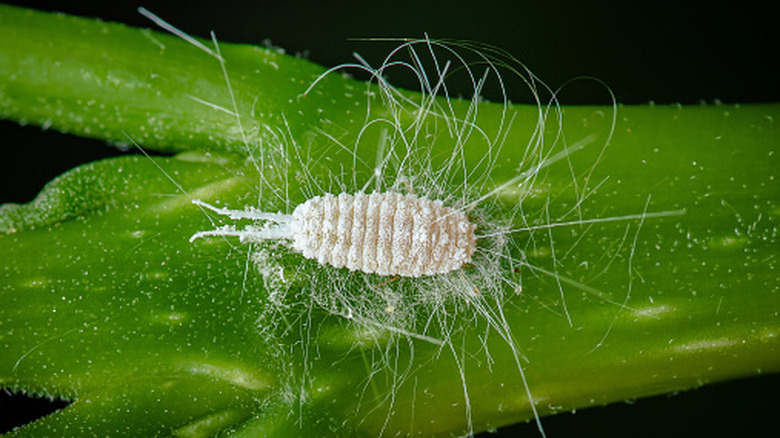
While naked lady isn't as sensitive to pests and diseases as roses, it is still vulnerable to some. It's particularly at risk from root nematodes that attack bulb's roots and basal plates. You can't see these tiny, worm-like creatures with the naked eye, but they can cause real damage to belladonna lilies. You may also see aphids, mealy bugs, and red spider mites occasionally on these plants, but none of them tend to do a great deal of lasting damage. A strong blast from the hose, a round of neem oil, or a spritz of insecticidal soap will usually solve the problem.
Belladonna lilies aren't particularly prone to fungal diseases, although you may see red leaf spot in cool, damp conditions. One of the biggest threats to naked lady is living in soil that stays too wet for too long. In constantly wet conditions, the bulbs will rot, and once rot sets in, there's nothing you can do to save them. Make sure the area you choose to plant them in is fast-draining and that you regularly work in organic matter in the form of rich fibrous mulch, which will break down and further improve soil structure. You may also want to add grit to significantly improve drainage speed.