

Only 57% Of Homes In Hawaii Use AC And It Makes Sense
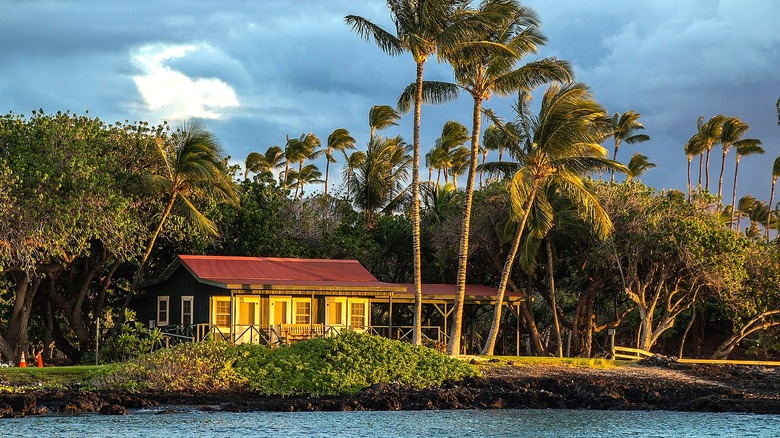
Hawaii summers are hot, and getting hotter. According to the National Oceanic and Atmospheric Administration, Hawaii's temperatures are two degrees higher today than they were some 70 years ago. The average summertime temperature in Hawaii is 85 degrees Fahrenheit. While it might seem counterintuitive in the face of this tropical climate, only about slightly more than half of homes in Hawaii run air conditioning, but it's due to a mix of sensible reasons.
Data from 2020 recorded by the United States Energy Information Administration shows that 57% of Hawaiian homes use air conditioning. A few factors keeping the number so low include environmental obstacles and the high costs residents would have to pay to install and maintain modern cooling systems. Instead of HVAC, many homes are designed with traditional features that keep them cool in other innovative ways.
The statistic measuring air conditioner use in Hawaii and other states comes from the EIA's residential energy consumption survey for 2020, which was released in 2023. The latest information on state-by-state air conditioner use, from the 2024 survey, is set to be released in 2027. The census bureau's 2024 estimates for air conditioner use doesn't indicate that usage in that year was higher than 57% in Hawaii.
Going forward, Hawaii is working to transition to renewable energy. The current plan to install renewable systems such as rooftop solar panels at 50,000 sites by 2030 is intended to make energy more affordable and sustainable on the islands.
Why air conditioners are scarce in Hawaii
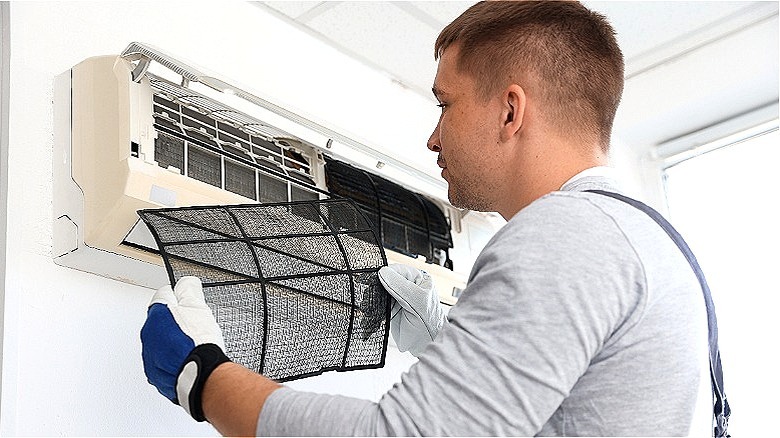
In many parts of Hawaii, the climate is such that air conditioners wouldn't get a break in usage over the winter, plus, residents there pay the highest energy rates in the United States. Material costs are higher than in other states because of how far goods have to be transported. And when installation-related costs topping $3,000 are factored in, the total expense could be unbearable.
Hawaiians who live in mountainous parts of the state may have the opposite problem of under-using expensive systems if they installed them, since elevation tends to cool the air there. Instead of wasting the money, many Hawaiian homeowners forgo air conditioning, opting for fans and making the most of a home architectural style that incorporates breezy outdoor areas to make spaces look and feel bigger.
While the day-to-day temperatures can vary between regions in Hawaii, the effect of the ocean surrounding the islands is ever-present, wreaking havoc on air conditioning equipment and causing them to burn out faster than they would elsewhere. It's often more energy-efficient and cost-effective to run fans, which can make the home cooler without lowering the thermostat.
Not only does prevailing high humidity stress out HVAC systems, the salt content in sea air can corrode air conditioners. What's more, occasionally, erupting volcanoes produce "vog" (the volcanic version of smog), so the systems work even harder. Under all these factors, homeowners have to frequently buy replacement filters and may have to replace their systems prematurely.
Hawaiian solutions that minimize the need for AC
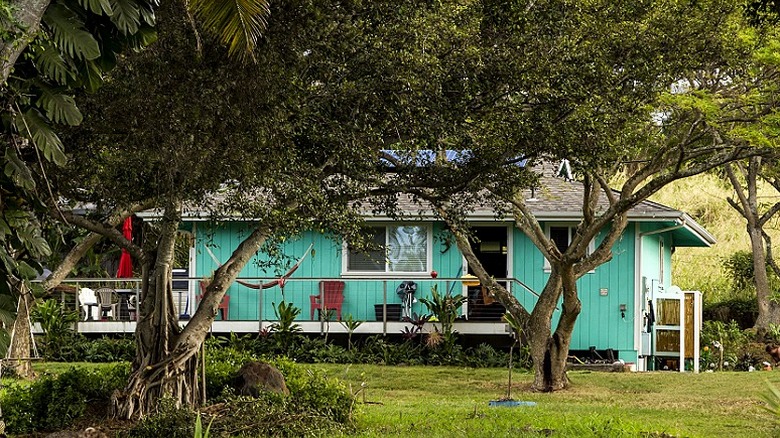
The verandas and lanais associated with Hawaiian houses aren't just there to add ambiance, they're adaptations builders turned to for generations to make living in the tropics more bearable by maximizing the air flow and not letting heat build up in the middle of homes. The same is true for window placement; builders line up windows on either side of the home so trade winds — which circulate between the northern Pacific Ocean and the equator — help cool the space naturally.
These winds blow at speeds of 15 to 20 miles per hour for most of the summer, making them a powerful source of ventilation. Homes are built with the goal of letting air pass through, so to install an air conditioner and keep it working well would involve major renovations that take away the openness of the construction — along with some of its island charm.
Homes in Hawaii are also built to maximize shade. Overhangs and trellises shielding the main part of the building are commonly seen, as well as pergolas with slats that can be opened and closed to either let in air or keep sun glare out. This is the function of covered lanais, which also make it possible to spend time outdoors in the breeze.
Jalousie windows, an inexpensive staple of Hawaiian homes, come with slats that can be opened so that cooling trade winds course through, but rain or scorching sun can be kept out when necessary. Tall plants or trees are often smartly planted near the windows as well to add to the shading effect.