

The Lower-Maintenance Alternative To Grow If You Like Hydrangeas

We may receive a commission on purchases made from links.
Hydrangeas are popular garden flowers. However, if you've ever tried growing them in your garden, you might already know they can be a bit finicky. Luckily, there's a lower-maintenance alternative: summersweet (Clethra alnifolia), a deciduous shrub known for its sweet-smelling blooms.
Summersweet can grow anywhere from 3 feet to 8 feet tall, and offers year-round appeal, as it goes from dark green in the spring to colorful (white, pink, or rose) in the summertime to golden in the fall. And once winter arrives and it goes dormant, its seed capsules resemble the sort of dried flowers you'd get at a craft store. These seed pods also provide food for birds, even in the snow.
Summersweet, also known commonly as sweet pepperbush, is one of those beautiful shrubs that thrive in cold climates. It can tolerate temperatures as low as -22 degrees Fahrenheit, and you can grow it in zones 3 to 9.
When we suggest summersweet as an alternative to hydrangeas, know that it's not a hydrangea look-alike (although its flowers do grow in clusters). Clethra is simply a deciduous shrub that thrives in the same hardiness zones as hydrangeas while requiring less maintenance overall. (Both are on our list of the best flowering shrubs to plant if you have a small yard.)
Growing and caring for summersweet year-round
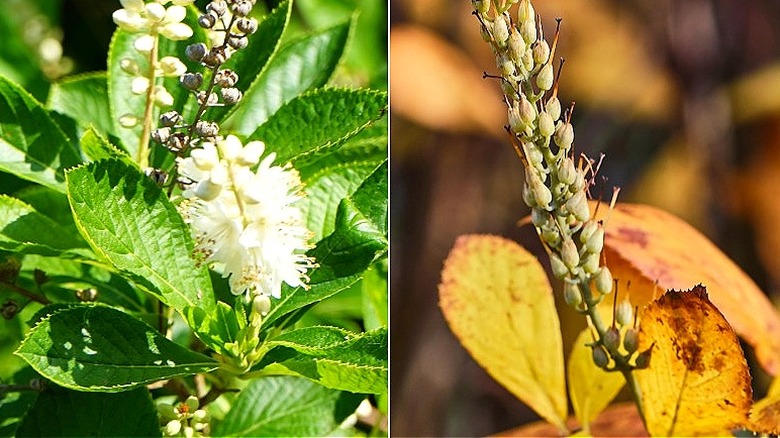
When it comes to growing summersweet, you have two options: seeds or stem cuttings. If you go with stem cuttings, do so in early summer; with seeds, you can choose between spring or fall. Note that propagating via stem cuttings will produce blooming plants faster than growing from seed.
However, no matter which method you choose, just make sure the soil you grow summersweet in is moist and acidic. There are many home-based soil testing kits, like the Rapitest Soil Test Kit for Gardens ($15.99), that you can use to easily check the pH of your garden soil at home.
Other than that, choose a spot with part shade. Full sun is also fine, but it thrives in the shade. Also, in sunny conditions, it will need to be watered regularly. If, however, you can't water plants consistently and still want to grow summersweet in full sun, consider automating your plant watering by installing an individual drip irrigation system. A summersweet shrub needs consistent moisture during the first year. Once established, though, it can adapt to drier conditions.
If you prune, do so in late winter or early spring, so you stay clear of the plant's new growth. Lastly, keep in mind that summersweet has a habit of spreading via suckers (or new shoots from the plant stem). To control this growth, simply clip the suckers away before they can establish.