

Skip Traditional Landscape Fabric: Here's A Durable Option For Gravel Driveways
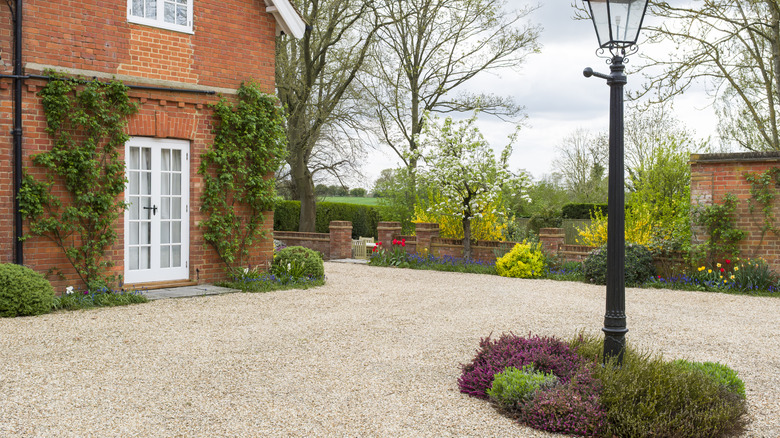
Gravel is a popular choice for driveways. The material is easy to source and relatively affordable, and installation is something many people can DIY, offering further savings. It's also attractive, suiting both traditional and contemporary homes. There are a few drawbacks of gravel driveways, though, one of which is the tendency for weeds to sprout up and spoil the look. Traditionally this has been tackled using landscape fabric, but while it can certainly help with weed control in the garden, this material isn't designed to withstand vehicle traffic. There is a more durable solution that is called stabilization fabric.
Stabilization fabric is a woven geotextile, typically made of synthetic materials such as polyester or polypropylene. It is highly resistant to rot and has a life expectancy of up to 50 years. The weave gives strength and, unlike nonwoven materials, also means the fabric is semi-permeable. One benefit is that rainwater doesn't cause problems by pooling on the surface; it drains through. Some stabilization fabric is tough enough to meet Department of Transportation (DOT) standards as a base for roadways, and it can also be used for parking lots and, of course, driveways.
Things to consider before choosing stabilization fabric
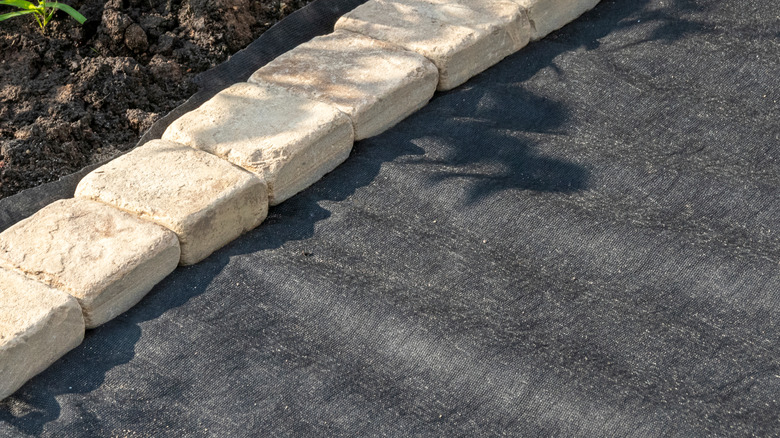
Stabilization fabric comes in a variety of specifications, though some may specifically be called driveway fabric. It can be more than three times as strong as landscape fabric, making it capable of supporting heavy vehicles rather than just foot traffic. Some types also have greater permeability, so water doesn't pool on the surface, whether that's after storms or when it's time to clean your driveway's gravel. Stabilization fabric can also last for decades. By contrast, you might get just 10 years out of landscape fabric, and regular contact with soil or the sun's UV rays break it down sooner.
Although the additional thickness makes stabilization fabric a little more difficult to work with, installation remains fairly straightforward. Metal landscape staples can hold it in place while the gravel is added. The downside for some shoppers is that the synthetic materials used are a product of the fossil fuel industry and are not environmentally friendly. It could be argued that sustainable alternatives like burlap or wood chips mean there's no need for landscape fabric or geotextiles anymore, but these eco-friendly products are not as effective or durable underneath gravel driveways.
It will come as no surprise that stabilization fabric is more expensive than ordinary weed barrier material. However, its hard-wearing nature should make it worth it in the long run. As long as you have the budget, stabilization fabric is a clear winner in terms of driveway durability.