

12 Weird Heirloom Peppers You've Never Heard Of But Should Definitely Grow
We may receive a commission on purchases made from links.
Most people who are somewhat familiar with vegetable growing have heard of the common pepper varieties, including 'Big Bell,' 'California Wonder,' and 'Ozark Giant' — and these are all great. They produce reliably, are easy to grow, and are staples in many food gardens. But there are so many weird and wonderful varieties of heirloom peppers, ranging from tiny chilis to super long cayenne cultivars that reach almost a foot in length. A lot of these are less well known because their pods are not evenly sized, or they produce peppers over a longer or shorter period, or are otherwise considered commercially inferior.
However, I'm a master gardener with well over 20 years of experience growing my own food, and I love trying new varieties of anything from peppers to peas. I'm a big fan of looking beyond conventional hybrid cultivars, because there are so many interesting options out there. Plus, by using heritage or heirloom varieties, you are helping to prevent fantastic vegetables and cultivars from being lost.
Because I'm a permaculture specialist, unless there is a real need to grow a hybrid, I always opt for heirlooms. They are open-pollinated, so you can usually save seeds and grow the same cultivar again, provided you prevent cross-pollination with other pepper varieties. Many of the best heirlooms come from small-scale growers and places like the Seed Savers Exchange. Just because something isn't considered the best commercial option, doesn't mean that home growers should avoid them. You can help save these intriguing varieties and get to experience some genuinely fabulous flavors, foliage, and fruit shapes. Don't be afraid to experiment. Some of my favorite heirloom seeds to grow in the garden, that are now staples I grow every year, are really obscure cultivars that I'd initially never heard of before.
Lemon Drop
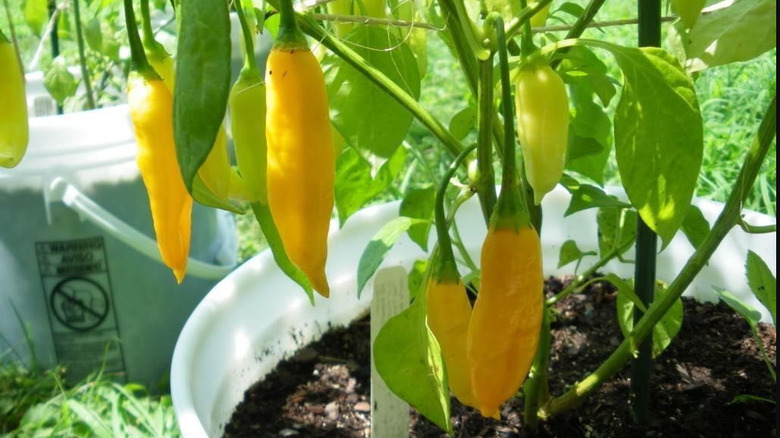
'Lemon drop' is a spicy pepper you can grow in your garden that delivers a powerful, incredibly citrusy punch. This Peruvian heirloom is also called Aji Limo or kellu uchu. It produces huge amounts of small, crinkled yellow pods. Most interestingly, they smell incredibly lemony as soon as you cut one open. The scent is clean, sharp, and unmistakably lemon.
'Lemon drop' peppers are reasonably hot, sitting at 30,000 to 50,000 Scoville heat units (SHU). The citrus scent doesn't get lost in the peppery heat of the capsaicin. 'Lemon drop' is a Capsicum baccatum pepper variety, which is in the same group as 'Bishop's Crown' and 'Aji Amarillo.' It takes around 100 days from transplant to ripe pods, so it needs to get an early start indoors and obviously requires a comparatively long growing season. Give this one more room than you would a compact patio pepper. You may also want to grow this hot pepper indoors or in a greenhouse in cooler climates. It branches enthusiastically, can sprawl if left unsupported, and is much easier to manage with a stake or frame. The bushes can reach up to 3 feet tall with proper support. 'Lemon drop' takes a long while to grow, but it crops heavily and the peppers preserve well. The pods and seeds both do well dried and ground into powder. This is a really nice little heirloom pepper to grow if you want interesting flavor, rather than just extreme heat.
Black Hungarian
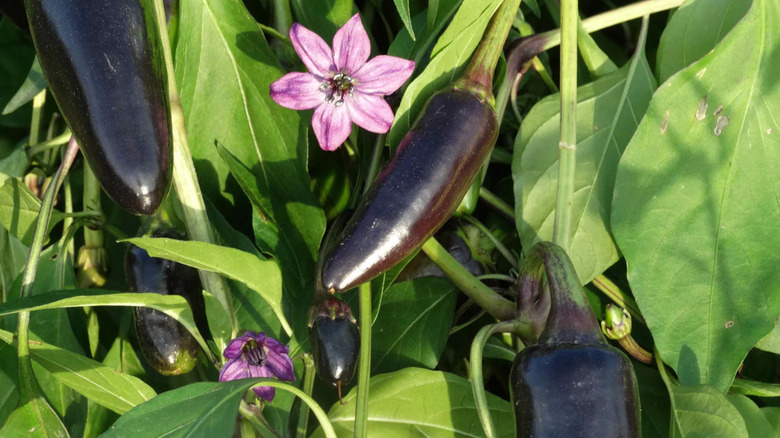
Few cropping plants do drama quite like the 'Black Hungarian.' It's among my favorite edimental plants, being both wonderfully ornamental and abundantly productive. The foliage of this weird pepper plant is purple-veined and the lovely blooms are violet. The pepper pods ripen to a deep, glossy, near-black, which later turns to red, and are jalapeño-shaped. Originating in the Hungarian town of Kiskunfélegyháza, the 'Black Hungarian' gets its dark color because of its very high concentration of anthocyanin pigments, which are the same compounds that you find in red cabbage, blueberries, and other red and purple crops like purple sprouting broccoli.
The pods start off black, which is when they are at their mildest. As they ripen through to red, they get sweeter, but they also get hotter. On the Scoville scale, these unusual peppers range between 2,500 and 10,000 units, so they're not excessively hot, even at their peak. Realistically, the 'Black Hungarian' is pretty mild by hot pepper standards, being comparable to a jalapeño at most. It is undeniably beautiful and really does bring drama, color, and interest to your edible garden. If you are blending edibles with ornamentals, the 'Black Hungarian' pepper plant is a lovely addition. If you like a sweeter flavor with more kick, harvest them when they are fully ripe and red.
Chocolate Habanero
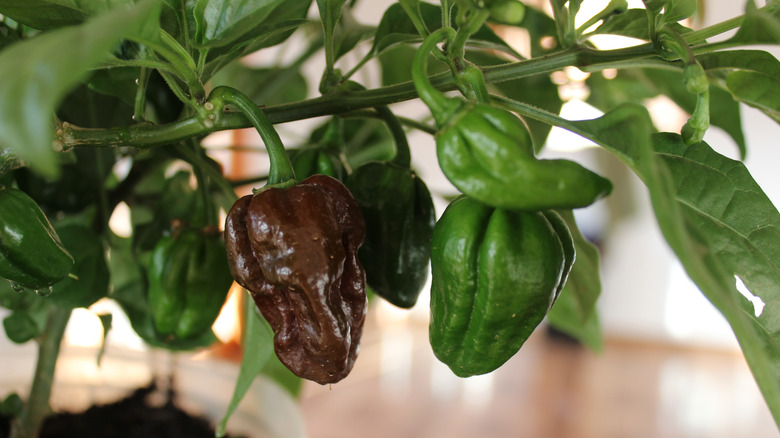
If you like your peppers hot and weird, the 'Chocolate habanero' is a must-grow. The flavor is exceptional, but it is hot. This is a Jamaican landrace habanero and has a deceptively slow heat that builds to somewhere between 300,000 and 450,000 SHUs. At its peak heat, it is substantially hotter than the standard orange habaneros' typical range of 100,000 to 350,000 SHU, and it also has a deeper, darker flavor than its orange cousin. Expect habanero-level fire, but with an earthy, almost cocoa-like finish that makes it especially useful in rich sauces, marinades, and spice powders.
'Chocolate habanero' is a Capsicum chinense variety, so it has a long growing season and requires a lot of heat and moisture. It takes up to 110 days from transplant to get fully ripe pods, so you'll need to start them indoors nice and early if you want a full harvest — especially if you're not in a particularly warm climate. 'Chocolate habaneros' are highly productive, and although they take a long time to crop, once they do, you'll get heavy yields of those beautiful chocolate brown pods. This is another hot pepper that does exceptionally well when dried and ground, so even though you'll get a glut of peppers all at once, you can preserve them and use them through the rest of the year.
Corbaci
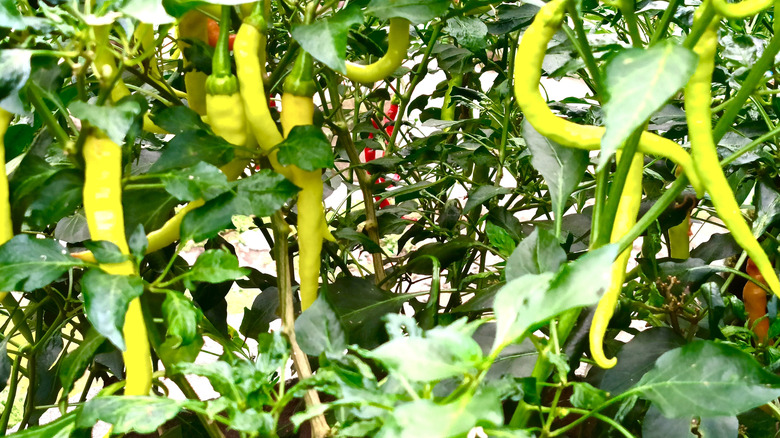
This Turkish heirloom pepper is incredibly productive and is one of the best sweet peppers a home gardener can grow, in my opinion. In Turkey, the 'Corbaci' pepper is also called the Sari Takli Sivri, and it is a staple for frying and pickling. It's a really old variety and I really don't understand why more people don't grow it, given that it's one of the most prolific peppers you can grow. The pods of the 'Corbaci' pepper are long, thin, and slender, and can reach up to 10 inches. I also love the way they grow, because they are slightly wild and chaotic-looking. They curl and spiral as they grow in a truly bizarre but oddly joyful way. Once you've got a plant full of these strange curly peppers, you'll smile at them every time you look their way.
One thing to be aware of if you grow 'Corbaci' peppers is that you must provide robust support. A flimsy cane, cheap trellis, or lightweight tomato cage will not suffice. The plants get super heavy because they produce such high yields of very large peppers, so they need decent support. If you drive stakes into the ground at planting time, make sure you drive them deep, otherwise the weight of the fruit-laden pepper plant will pull the stakes clean out of the soil. 'Corbaci' peppers are sweet, but not hot, and they have an interesting, rich, and fruity flavor that gets better when they are fried or roasted. The pods start off pale green and move through dark green, yellow, orange, and eventually red. The longer you leave them, the sweeter the flavor gets. If you have limited space and you love sweet peppers, then 'Corbaci' is one I would recommend, as you get a lot of peppers off each plant.
Fish Pepper
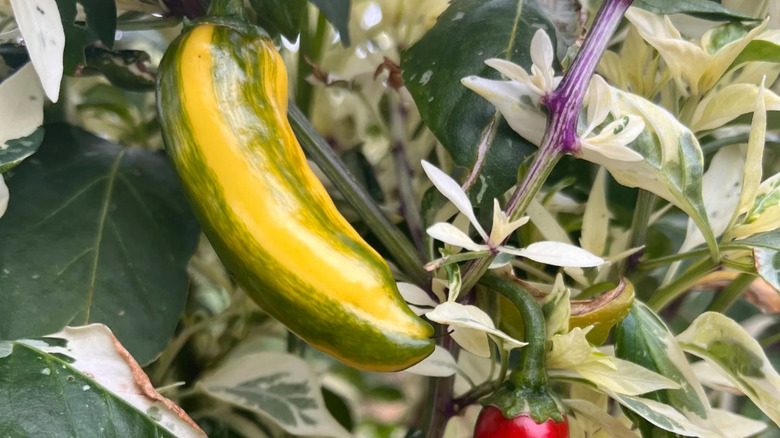
Another fantastic and wildly under-used heirloom pepper is the 'Fish Pepper,' so named because during the 19th century, it was a staple ingredient in Baltimore's crab houses and oyster bars. This heirloom pepper was particularly popular because it could add heat and flavor to white cream sauces without affecting the color. That's because the pods, before they are fully ripened, are cream and green striped. The story of its survival can be traced back to the folk artist Horace Pippin. He sought out H. Ralph Weaver, a Pennsylvania beekeeper, for bee sting treatments for his severe arthritis. Pippin paid Weaver in seeds from his community's gardens. These seeds included the fish pepper. Weaver died before those seeds were ever planted and they sat frozen in a family chest freezer until his grandson, food historian William Woys Weaver, rediscovered them. He introduced the variety through Seed Savers Exchange in 1995.
While the story of the 'Fish Pepper' cultivar is unusual and interesting, so too is the pepper plant itself. Fish peppers have beautifully variegated cream and green foliage, so they are striking ornamental plants, as well as good croppers. If I wanted to grow a mixed edible and ornamental garden, and really needed to bring drama and visual interest, I would grow 'Fish Pepper' alongside 'Black Hungarian.' Its pods start off cream-white and green striped, then move through orange to red. This particular pepper is on Slow Food's Ark of Taste, an international register of endangered heritage foods. If you are a pepper enthusiast, growing this pepper or any others on this list is a meaningful way you can help, especially if you save seeds and share them through local seed saving initiatives.
Buena Mulata
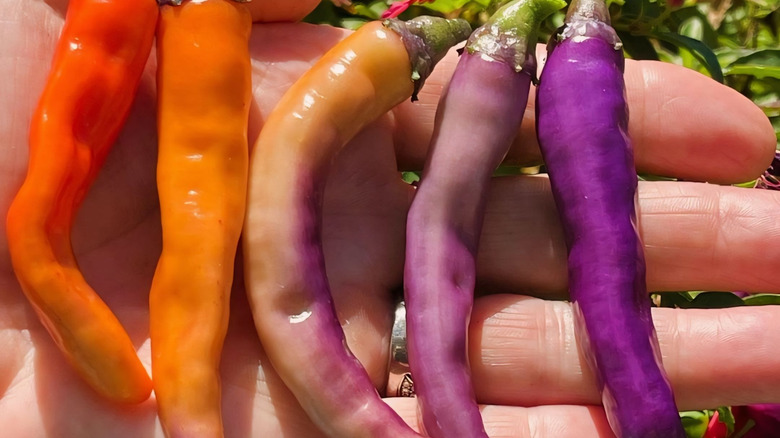
Another pepper that was preserved thanks to the bee sting treatment bartering between Horace Pippin and H. Ralph Weaver is the 'Buena Mulata.' This fantastic pepper goes through more color changes than almost any other. At any one time on a single plant, you can see violet, pink, orange, brown, and deep red peppers as pods ripen at different times. It's really quite a spectacular plant to look at when it's laden with lots of 7-inch pepper pods, all in different and unexpected colors.
'Buena Mulata' is particularly good for pickling, roasted salsas, and drying into flakes. This is another beautiful pepper that brings plenty of visual interest in the garden, while still providing a generous crop of intensely flavorful peppers. The heat is moderate, although considerably hotter than a jalapeño, ranging from 30,000 to 50,000 SHU. But it won't blow your socks off like a 'Chocolate Habanero.'
Pimenta de Neyde
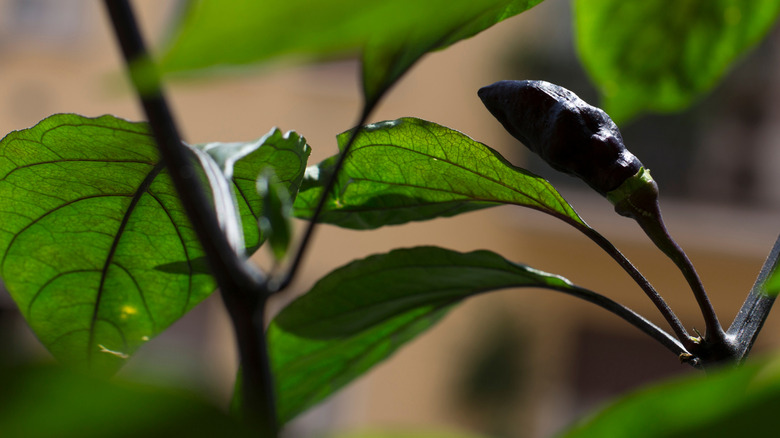
Supposedly discovered in Neyde Hidalgo's garden, where it appeared spontaneously, the 'Pimenta de Neyde' is one of the few peppers that doesn't change color as it ripens. It's a natural hybrid between Capsicum annuum and Capsicum chinense, and it produces large crops of deep purple-black pods that start and stay dark even at full maturity. Ripeness of a 'Pimenta de Neyde' pod is impossible to tell from the outside. You have to cut it open and check whether the placenta tissue has changed from green to purple, in which case the pod is ripe.
It's an interesting plant to look at, too. It has near-black stems with dark-veined leaves and white flowers. It's wonderfully gothic and very productive. This particular pepper is thought to be the variety that introduced high anthocyanin genetics into the Capsicum chinense peppers, and its genes can be found in a wide range of modern dark-foliage and dark-podded super hot varieties. The heat of the 'Pimenta de Neyde' is similar to that of a habanero, but the flavor is slightly fruitier, although it carries a bitter edge.
Aji Charapita
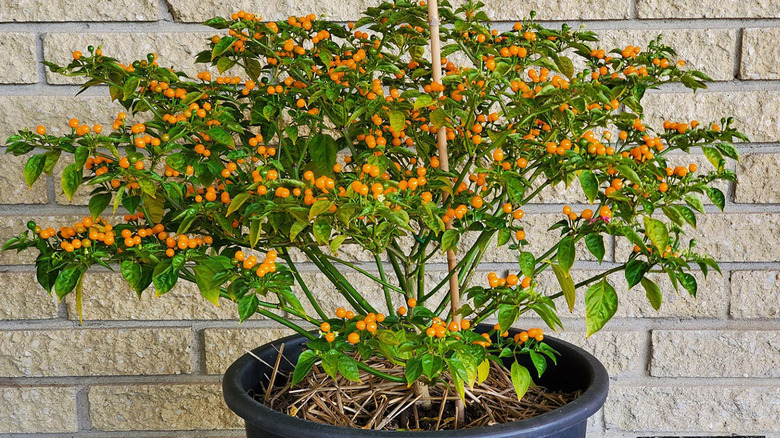
'Aji Charapita' peppers are ridiculously small. The pods are barely the size of a pea. They're round, bright yellow, and grow wild throughout the Peruvian Amazon. Throughout their native range, they've been used as a finishing spice, crushed into sauces, and dropped whole into soups and fish stews for centuries. These tiny pea-sized peppers pack a fruity, citrusy punch that's out of proportion to their minuscule size. They acquired an odd and unsubstantiated reputation in Europe as the world's most expensive pepper by weight after an Austrian grower began cultivating them commercially in 2016, even though in their native range they are available for a few cents per handful. They are, however, rare and expensive outside of South America.
The flavor is exceptional and pepper enthusiasts highly prize this particular species. They are medium in terms of heat, with a Scoville rating of 30,000 to 50,000 units, putting them up to 20 times hotter than a jalapeño. 'Aji Charapita' peppers grow into compact, bushy little shrubs, and they are incredibly productive. If you want to grow peppers in containers, these are a great choice, as a single mature plant can produce hundreds of pods in a single season. They're also visually exciting, as the upright yellow berries look wonderful against the dark green foliage. Because of its tropical nature, 'Aji Charapita' does need a long warm season to perform well, and do best with high humidity, unlike many other peppers. If you're in a drier climate or a cooler one, grow them in a greenhouse and give them plenty of shelter. Once fully dry, you can grind the tiny pods and make a rather extraordinary citrusy pepper powder from them that you can add to all kinds of dishes.
Bishop's Crown
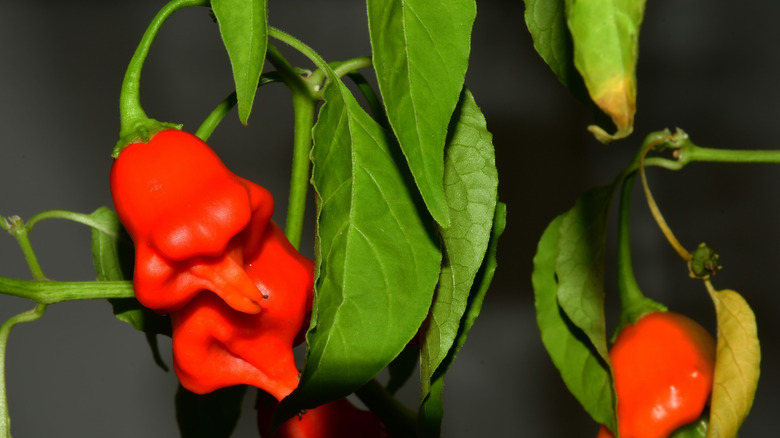
The 'Bishop's Crown' gets its name because its three-lobed pods really do look like a bishop's mitre. Each pod has three broad flat lobes that fan outward from a central dome. I'd definitely call this one geometrically peculiar, and it's a great quirky addition to your garden, as the pods are really unique. This pepper comes from South America and is a Capsicum baccatum variety with a mild heat range from 5,000 to 30,000 SHU. What's interesting is that this heat range can occur within the same pepper. With the 'Bishop's Crown,' the central dome and placenta tissue is where the majority of the capsaicin concentrates, and it's here you'll find the upper range of the Scoville heat units. The flared wings are sweet and fruity and have virtually no heat, sitting at the lowest end of the SHU range.
This particular pepper is prized for its apple-like fruitiness and clean, slightly tangy flavor. You can slice the wings raw into salad and even pickle the whole pod. It's also popular stuffed with soft cheese. Bishop's Crown plants are large, reaching up to 4 feet tall, and they produce prolifically. If you've got limited space, Bishop's Crown will get you both mild and moderate pepper heat and a huge number of domed pods from a single plant.
Filius Blue
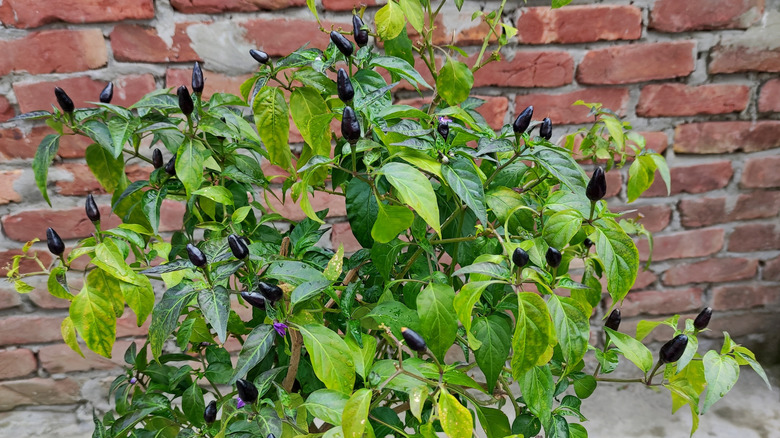
Most hot peppers get more potent the riper they get, but 'Filius Blue' does the opposite. It's hottest at the indigo-blue stage, reaching up to 50,000 Scoville heat units when unripe. As it transitions through purple, orange, and finally red, it mellows slightly to around 30,000 SHU. 'Filius Blue' has an interesting look, because it has large yields of small pepper pods all growing at different stages at one time, so you'll get a show of blue, black, purple, orange, and red peppers all on the same plant simultaneously.
This is a compact Mexican heirloom variety that only grows to about 2 feet in height, so it's a strong choice if you are very limited for space or if you want to include it in ornamental and edible borders. The foliage is a distinctive blue-green and the flowers are white with pretty violet stamens. The dark blue pods are a rarity and their flavor is peppery and strong. They are commonly used in salsas and hot sauces for bold color and a kick of heat.
Trinidad Perfume
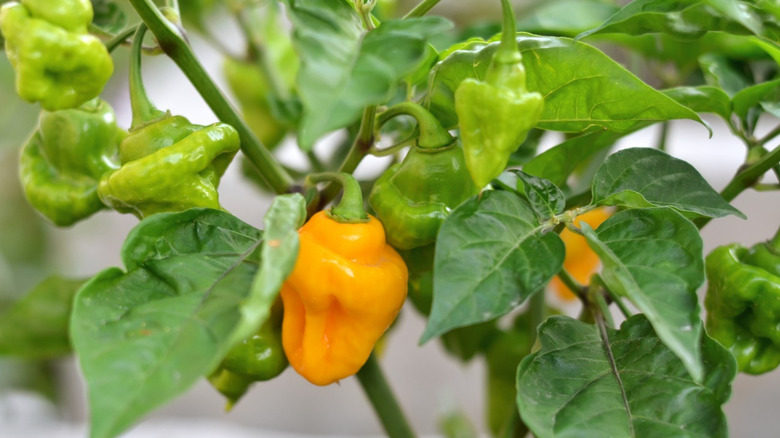
This little pepper looks very much like a scorpion pepper with undulating lantern-shaped pods and a small pointed tail. They ripen to a golden yellow-orange that's bright and vivid and adds an interesting splash of color to an edible border. Although it looks like a scorpion pepper or a habanero, a 'Trinidad Perfume' pod only registers between 0 and 500 Scoville heat units, so it's pretty much bell pepper territory. You can, however, amaze your buddies by biting into this pepper as if it were a scorpion pepper, yet not flinching at all.
The 'Trinidad Perfume' pepper gets its name because when you cook it, it has an intensely fruity scent, even though it doesn't have much capsaicin. The 'Trinidad Perfume' pepper has an abundance of the aromatic compounds that give the Capsicum chinense its strong floral scent. This one is a good pepper to grow if you like the deep flavor profile of the habanero for Caribbean-style food, but you don't want the heat.
Joe's Long Cayenne
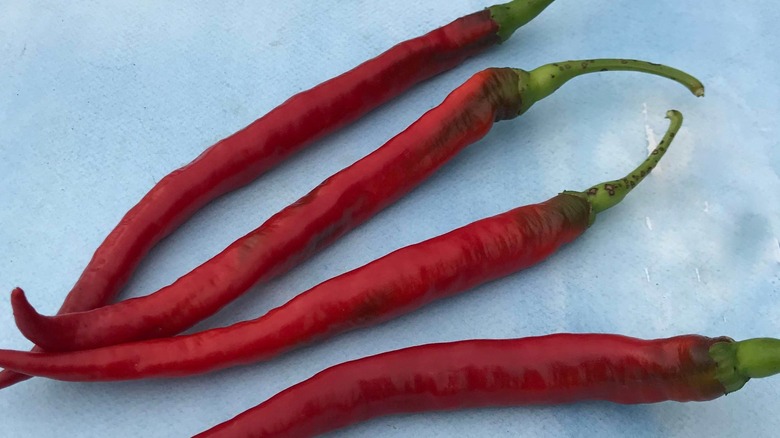
The pods of this Calabrian heirloom pepper grow to a whopping 12 inches. When they call it 'Joe's Long Cayenne,' they're not joking. 'Joe's Long Cayenne' is an Italian-American seed-saving pepper with roots traced from Calabria through Canada and into upstate New York. It was introduced to the Seed Savers Exchange by Dr. Carolyn Male in 1996. From there, it has made its way into the wider American seed saving community.
Heat-wise, it sits around the classic cayenne, between 30,000 and 50,000 SHU. It's considered one of the best peppers for homemade red pepper flakes, because it has long thin walls that dry evenly and perfectly. 'Joe's Long Cayenne' is also popular for use in decorative dried pepper garlands, because the peppers are thin enough that they will dry through without going moldy. Although the pods are truly impressive in length, the plants themselves are relatively compact, and so, are some of the best small pepper plants you can grow for big crops from limited space. They do require a relatively long season, but they will keep cropping right up to the first frost.